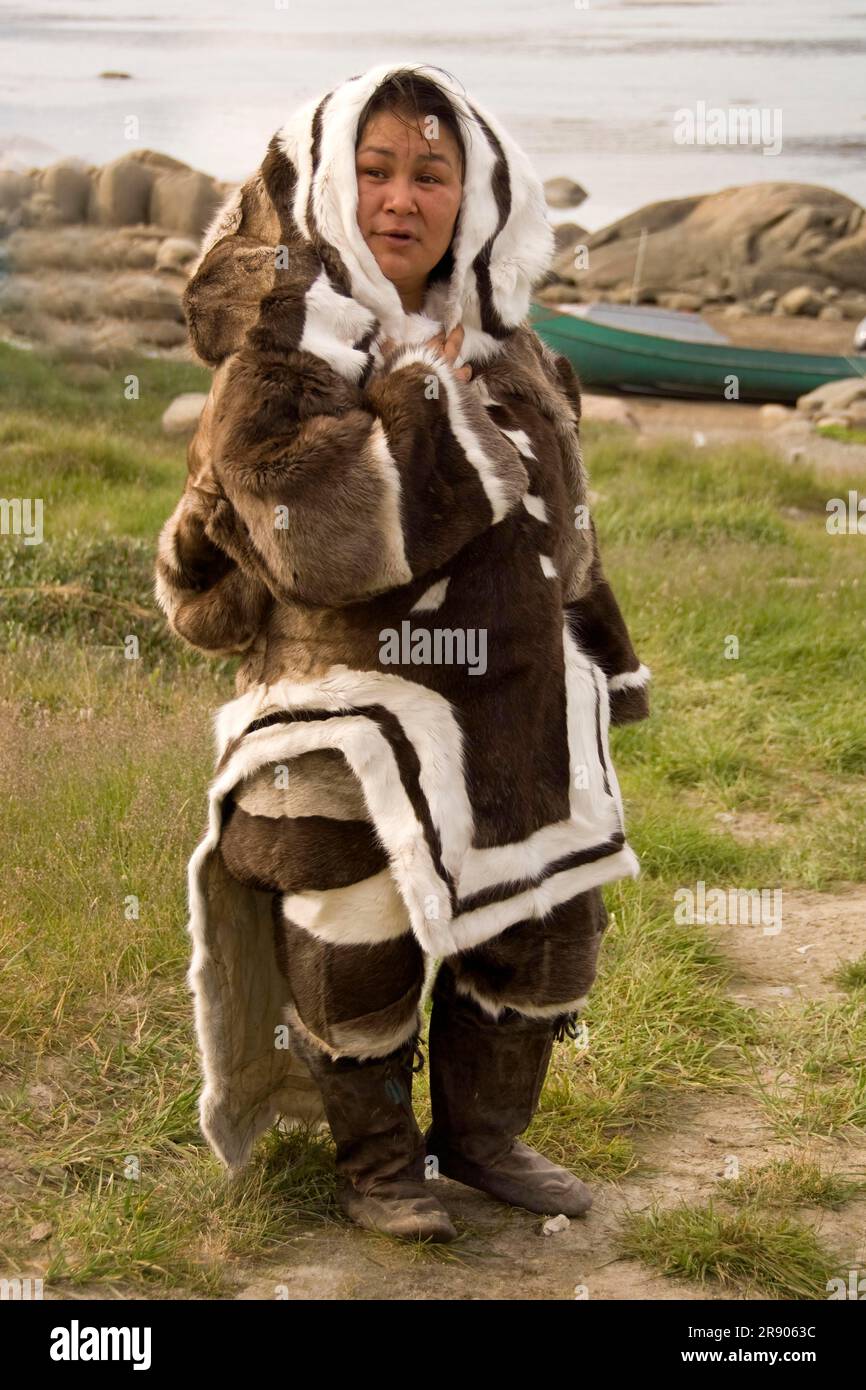
The Arctic, a land of breathtaking beauty and formidable challenges, has shaped the lives and cultures of the Inuit people for millennia. Central to their survival and cultural identity is their ingenious clothing, far more than mere protection from the elements. Inuit clothing is a tapestry woven with threads of practical necessity, spiritual belief, and profound symbolism.
For those living in the vast, unforgiving expanses of the circumpolar North, clothing was, and remains, a matter of life and death. The ability to craft garments that could withstand extreme cold, wind, and moisture was a testament to human ingenuity and an intimate understanding of the environment. Yet, these garments transcended their functional purpose, becoming powerful carriers of meaning, history, and connection.
The Arctic’s Embrace: Necessity as the Mother of Symbolism
Traditional Inuit clothing evolved directly from the urgent need for survival in temperatures that could plummet well below freezing. Every stitch, every material choice, and every design element was meticulously developed to maximize warmth, flexibility, and durability. This fundamental reliance on clothing for existence naturally imbued it with deep significance.
The materials themselves—primarily animal hides and furs—were not simply resources; they were gifts from the land and sea, carrying the spirit of the animals from which they came. This perspective formed the bedrock of much of the clothing’s symbolic power.
Materials: A Spiritual Connection to the Land and Sea
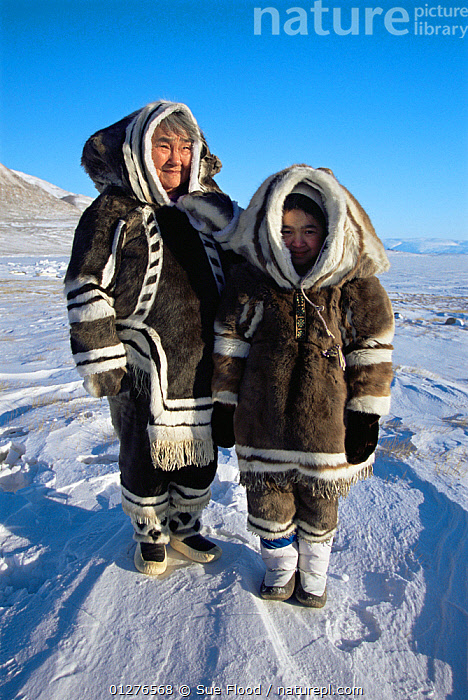
The choice of materials in Inuit clothing is perhaps the most direct reflection of their environment and spiritual worldview. Each animal provided specific properties essential for different garments and conditions, and in doing so, lent its own symbolic weight.
Caribou Skin: The Heart of Arctic Warmth. Caribou hide, known for its exceptional insulating properties due to hollow hairs, was the primary material for parkas (atiq) and pants. Symbolically, the caribou represents sustenance, resilience, and the interconnectedness of life on the tundra. Wearing caribou was to embody its strength and adaptability.
Seal Skin: Master of the Marine Environment. Seal skin, particularly when prepared correctly, is remarkably waterproof and wind-resistant. It was essential for outer layers, boots (kamik), and mittens. The seal symbolizes agility, resourcefulness, and the bounty of the ocean. Clothing made from seal skin connected the wearer to the vital marine ecosystem and the skills required to thrive within it.
Polar Bear Fur: Strength and Protection. While less common due to the difficulty and danger of hunting, polar bear fur was highly prized for its incredible warmth and spiritual significance. Often used for trim on hoods or specialized garments, it symbolized immense strength, courage, and protection, believed to ward off evil spirits.
Bird Skins and Other Resources. Less frequently, bird skins (such as eider duck) were used for lightweight, incredibly warm inner layers. Sinew from animals was meticulously prepared for strong, durable thread, representing the meticulous craftsmanship and patience required for survival.
Design Elements: Weaving Identity and Protection
Beyond the materials, the design and construction of Inuit garments carried layers of meaning, reflecting social roles, personal identity, and spiritual beliefs.
The Amauti: A Symbol of Motherhood and Community. Perhaps the most iconic piece of Inuit clothing is the amauti, a woman’s parka designed with an enlarged hood or pouch (amaut) on the back for carrying an infant. The amauti is a powerful symbol of nurturing, protection, and the continuity of the community. It represents the profound bond between mother and child, and the essential role of women in raising the next generation in a challenging environment.
Kamik: Footwear for the Journey. Inuit boots, known as kamik (or mukluks in some regions), were crafted with extraordinary skill, often from seal skin for waterproofness and caribou for warmth. They symbolize connection to the land, the journey of life, and the protection needed to navigate the physical and spiritual landscapes.

Hoods and Fringes: Practicality Meets Mysticism. Hoods, often trimmed with wolverine or wolf fur, provided crucial protection from frostbite. Symbolically, the hood could also represent a protective barrier, shielding the wearer from both physical elements and unseen spiritual forces. Fringes on garments, while sometimes decorative, could also be seen as deflecting negative energy or acting as a subtle form of camouflage.
Adornments and Patterns: Personal and Spiritual Markers. While traditional Inuit clothing was primarily functional, decorative elements like beads, bone carvings, or intricate stitching patterns were often incorporated. These could denote tribal affiliation, family lineage, personal achievements, or provide spiritual protection. They were subtle forms of self-expression within a collective culture.
Spiritual Dimensions: Clothing as a Second Skin
For the Inuit, the boundary between the physical and spiritual worlds is often fluid. Clothing was not just an external layer but an extension of the self, imbued with spiritual power and significance.
Protection from Spirits. It was believed that clothing, especially new or ritually prepared garments, could offer protection from malevolent spirits or bad luck. Certain animal parts, like a polar bear claw or a specific type of bead, might be sewn into clothing for added spiritual defense.
Connection to Animal Spirits (Anirniit). The animals that provided the materials were deeply respected. Wearing their skins was a constant reminder of the spiritual contract between humans and the animal world. It was believed that the spirit (anirniq) of the animal could influence the wearer, lending its qualities like speed, strength, or stealth.
Shamanic Garments. Shamans (angakkuq) often wore special clothing or adornments during their spiritual journeys, which could include amulets, fringes, or depictions of helping spirits. These garments facilitated their connection to the spirit world and enhanced their ability to heal or guide.
Cultural Identity and Social Status
Clothing also played a vital role in expressing cultural identity and social standing. The quality of craftsmanship, the rarity of materials, and the intricacy of design could subtly communicate a person’s skill, wealth, or importance within the community.
A finely made parka or a pair of elaborately decorated kamik was a source of pride, reflecting the wearer’s dedication to tradition and the skill of the maker. In a society where resources were shared, the ability to create beautiful and functional garments was highly valued.
Modern Interpretations and Enduring Legacy
Today, while many Inuit wear contemporary Western clothing for daily life, the symbolism of traditional garments remains deeply ingrained. Traditional clothing is still worn for special occasions, ceremonies, and cultural events, serving as a powerful link to ancestral heritage.
Inuit artists and designers continue to draw inspiration from traditional clothing, incorporating its forms, patterns, and spiritual meanings into contemporary art, fashion, and storytelling. This ensures that the profound symbolism of these garments continues to evolve and resonate with new generations.
Frequently Asked Questions About Inuit Clothing Symbolism
What is traditional Inuit clothing called? Key garments include the atiq (parka), amauti (woman’s parka with a baby pouch), kamik (boots), and various types of pants and mittens. The specific names can vary slightly between different Inuit dialects and regions.
Why is Inuit clothing so effective? Its effectiveness stems from a sophisticated understanding of insulation, layering, and material properties. Double layers of fur (inner fur facing in, outer fur facing out), careful stitching to prevent drafts, and waterproof outer layers (like seal skin) create an unparalleled system for warmth and protection without excessive bulk.
What does Inuit clothing represent? It represents survival, ingenuity, deep respect for nature and animals, cultural identity, spiritual connection, community bonds (especially through the amauti), and the enduring resilience of the Inuit people.
How did Inuit make their clothes? They used traditional tools such as bone needles, sinew thread, and specialized knives (ulu) to meticulously cut, scrape, and sew animal hides. The process was labor-intensive, requiring immense skill and patience, often passed down through generations.
Conclusion: A Legacy Woven in Fur and Spirit
Inuit clothing is far more than just attire; it is a profound cultural artifact, rich with symbolism that speaks to millennia of survival, adaptation, and spiritual connection. From the practical warmth of caribou to the spiritual protection of polar bear fur, each element tells a story of respect for the land, ingenuity in the face of adversity, and the enduring strength of a vibrant Indigenous culture.
Understanding the symbolism of Inuit clothing offers a deeper appreciation for the intricate relationship between humanity and the environment, reminding us that true value often lies not just in what something does, but in what it represents and the stories it carries.


