

In the vast, icy expanses of the Arctic, where temperatures plummet to extreme lows, the survival and well-being of infants have historically depended on ingeniously designed clothing. Inuit communities, with centuries of accumulated knowledge, developed sophisticated systems of garments that provided unparalleled warmth, protection, and mobility for their youngest members. This article delves into the rich history, innovative design, and enduring relevance of Inuit clothing for babies, exploring how these traditional principles continue to inspire modern cold-weather attire.
The wisdom embedded in Inuit baby clothing is a testament to human adaptability and deep understanding of the environment. Far from being mere garments, these pieces are intricate systems designed to regulate body temperature, wick away moisture, and withstand harsh conditions, all while ensuring the baby’s comfort and the parent’s ability to care for them. Understanding these traditions offers invaluable insights for any parent seeking optimal warmth for their child.
At the heart of traditional Inuit baby clothing lies a profound respect for nature and a mastery of natural materials. For generations, Inuit seamstresses, known as attigiqsaijit, meticulously crafted garments from resources readily available in their environment, such as caribou hide, sealskin, and various furs. These materials were chosen not only for their insulating properties but also for their durability and breathability.
The fundamental principle behind all Inuit clothing, including that for babies, is layering. This multi-layered approach creates air pockets that trap warmth, much like modern synthetic insulation. It also allows for flexibility, enabling parents to adjust the baby’s attire based on activity levels and fluctuating temperatures, preventing both overheating and chilling.
The Ingenious Design of the Amauti: A Cradle of Warmth and Connection
Perhaps the most iconic piece of Inuit baby clothing is the Amauti. This traditional parka, worn by Inuit mothers, features a large pouch on the back, just below the hood, specifically designed to carry an infant. The Amauti is more than just a carrier; it’s a mobile, warm environment that keeps the baby snug against the mother’s body heat, providing both physical warmth and emotional security.


The Amauti’s design is incredibly practical. It allows the mother to carry her baby hands-free, facilitating daily tasks while keeping the infant safe from the elements. The baby is tucked into the amaut (the pouch), often wearing minimal clothing underneath, benefiting directly from the mother’s body warmth and the Amauti’s insulated layers. This close contact also fosters strong bonding between mother and child.
Beyond the Amauti, babies wore a system of layered garments. The innermost layer, often made of soft, light fur or caribou hide with the hair facing inwards, provided direct warmth and comfort against the skin. This was followed by outer layers that offered additional insulation and protection from wind and moisture.
Traditional materials were chosen for their specific properties. Caribou hide, for instance, is exceptionally warm and lightweight due to its hollow hairs that trap air. Sealskin, on the other hand, provides excellent water and wind resistance, making it ideal for outer layers, especially in damp or windy conditions.
Furs from animals like arctic fox, wolverine, or rabbit were often used for hoods and cuffs, providing extra warmth and a soft barrier against frostbite on exposed areas. These furs were not just decorative; they were vital components of the protective system, demonstrating a deep understanding of thermal dynamics.
Why is Inuit Clothing So Warm and Effective?
The effectiveness of Inuit clothing stems from several key factors. Firstly, the natural insulating properties of materials like caribou fur and sealskin are superior to many modern synthetics in extreme cold. Secondly, the strategic use of layering creates multiple air barriers, minimizing heat loss. Thirdly, the designs are tailored to the human body’s physiology, ensuring coverage for vulnerable areas like extremities and the core.
Furthermore, the loose fit of many traditional garments, while seemingly counterintuitive, allows for air circulation within the layers, preventing moisture buildup from perspiration. This is crucial because wet clothing loses its insulating properties rapidly in cold environments, leading to hypothermia.
Modern Adaptations and Inuit-Inspired Baby Gear
While traditional materials like caribou hide and sealskin might not be readily available or practical for everyday use in non-Arctic regions, the ingenious principles behind Inuit baby clothing continue to influence modern cold-weather gear. Contemporary designers often draw inspiration from the Amauti’s carrying function and the layering system’s effectiveness.
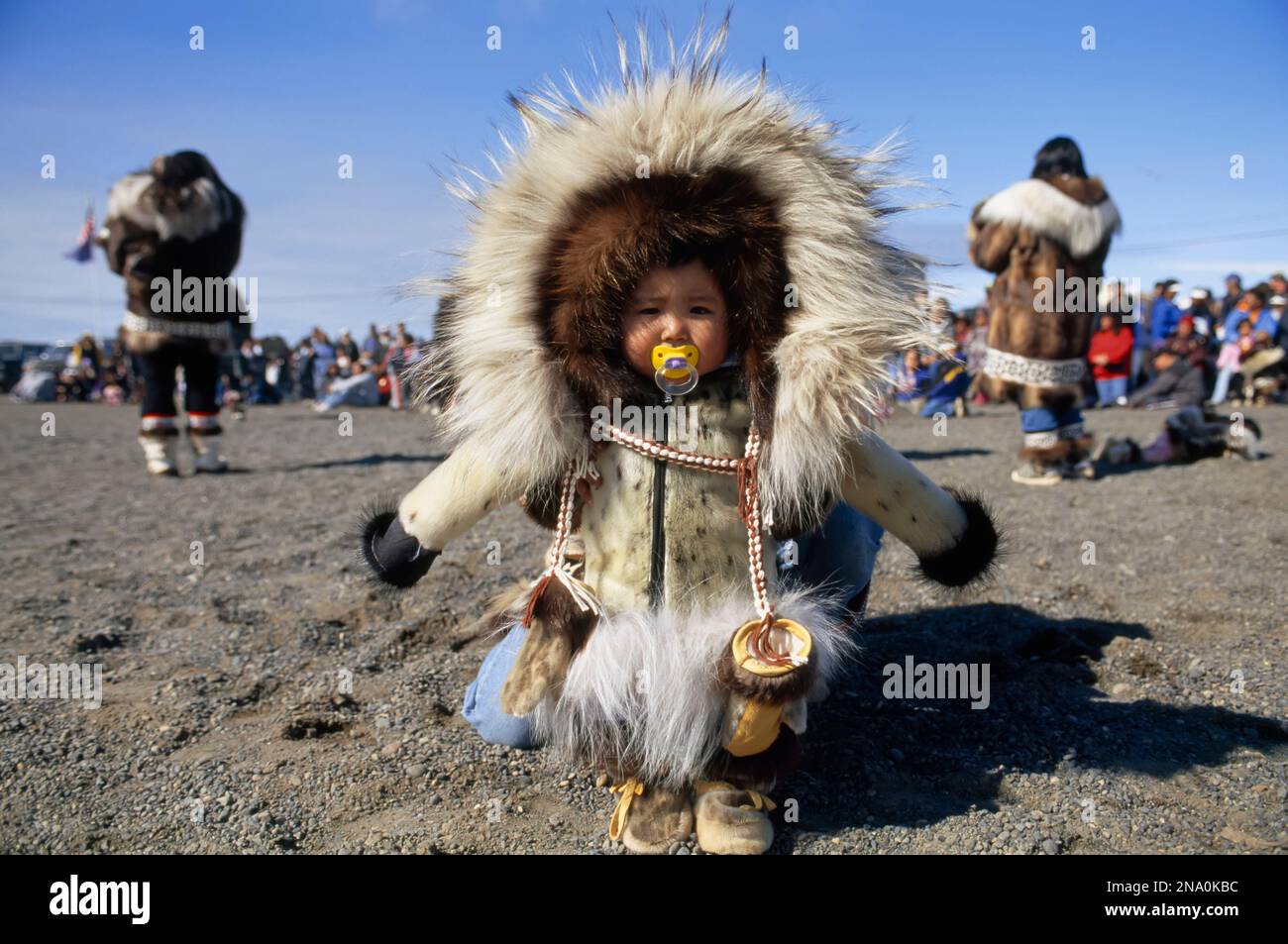

Today, parents can find baby snowsuits, parkas, and carriers that incorporate elements of Inuit design philosophy. These often feature advanced synthetic insulations like Thinsulate or down, waterproof and windproof outer shells, and ergonomic designs that prioritize warmth, mobility, and ease of use. The core idea of keeping the baby snug, dry, and protected remains paramount.
When selecting modern Inuit-inspired baby clothing, look for features such as:
- High-quality insulation: Down or advanced synthetics.
- Water and wind-resistant outer fabric: To protect against the elements.
- Layering capabilities: Garments designed to be worn over multiple lighter layers.
- Adjustable features: Cuffs, hoods, and waistbands that can be tightened to seal in warmth.
- Integrated hand and foot coverings: Mittens and booties, often detachable.
Safety and Comfort Considerations for Babies in Cold Weather
Whether using traditional or modern Inuit-inspired clothing, safety is paramount. It’s crucial to ensure the baby is warm but not overheated. Signs of overheating include sweating, flushed cheeks, and fussiness. Always check the baby’s core temperature (e.g., on their back or chest) rather than just their hands or feet.
Proper fit is also essential. Clothing should allow for freedom of movement without being too loose, which could let cold air in, or too tight, which could restrict circulation. For carriers like the Amauti, ensure the baby’s airway is clear and unobstructed at all times.
Caring for Traditional and Modern Garments
Caring for traditional hide and fur garments requires specific knowledge, often involving natural cleaning methods and careful drying to prevent stiffness or damage. Modern synthetic garments are typically easier to care for, often machine washable, but always follow manufacturer instructions to maintain their insulating and protective properties.
The Cultural Significance Beyond Warmth
Beyond their practical function, traditional Inuit baby clothes are imbued with cultural significance. They represent a connection to heritage, a continuation of ancestral practices, and a deep understanding of living in harmony with the Arctic environment. For many, wearing or crafting these items is a way to honor and preserve a rich cultural legacy.
The craftsmanship involved in creating traditional Inuit clothing is an art form passed down through generations. Each stitch, each cut, reflects a deep knowledge of materials and design, honed over centuries to perfection. The beauty of these garments is not just in their aesthetic but in their profound functionality and cultural narrative.
Inuit clothing offers a compelling alternative to standard Western baby winter wear, especially for extreme conditions. While typical snowsuits focus on bulk, Inuit designs prioritize efficient insulation, strategic layering, and ergonomic fit that allows for greater mobility and closer parent-child interaction, particularly with the Amauti.
The lessons learned from Inuit clothing design extend beyond the Arctic. They inform principles of sustainable fashion, the importance of durable goods, and the value of thoughtful design that respects both human needs and environmental realities. This indigenous wisdom serves as a powerful reminder of what can be achieved through deep observation and innovation.
For those interested in ethical sourcing, it’s important to research brands that work directly with Inuit communities or artisans, ensuring fair trade practices and respect for intellectual property. Supporting these initiatives helps sustain traditional crafting skills and benefits the communities directly.
In conclusion, Inuit clothing for babies stands as a remarkable example of human ingenuity and cultural resilience. From the multi-functional Amauti to the meticulously crafted layered garments, these designs offer unparalleled warmth, protection, and comfort in the world’s harshest environments. Their principles continue to inspire and inform modern cold-weather gear, ensuring that babies everywhere can experience the warmth and security born from centuries of Arctic wisdom.
Embracing the spirit of Inuit baby clothing means appreciating a legacy of practical innovation, sustainable living, and profound cultural connection. It’s about more than just keeping warm; it’s about understanding a holistic approach to child-rearing in harmony with nature.


