

The Arctic, a region of unparalleled beauty and formidable challenges, has been home to the Inupiat people for millennia. Their profound connection to the sea, a source of sustenance and cultural identity, has shaped their way of life. While traditional practices remain deeply embedded, the demands of a changing world and evolving technologies have led to significant advancements in how Inupiat communities approach marine harvesting. This article delves into the fascinating world of Inupiat modern fishing boats, exploring their design, technology, and the integral role they play in contemporary Arctic life.
For generations, the Inupiat have mastered the art of survival in one of the planet’s harshest environments. Their ancestral knowledge of marine ecosystems, ice patterns, and animal behavior is unparalleled. Historically, vessels like the umiaq and qayaq (kayak) were expertly crafted from natural materials, enabling hunting and travel across vast stretches of water and ice. These traditional boats were not merely tools but extensions of their deep understanding of the Arctic environment.
The transition from these ingenious traditional vessels to modern fishing boats represents a blend of enduring wisdom and technological innovation. While the fundamental goals remain the same – to harvest marine resources safely and efficiently – the methods have been significantly enhanced. This evolution ensures continued access to vital food sources and economic opportunities, adapting to contemporary challenges while respecting ancient traditions.
Modern Inupiat fishing boats are highly specialized vessels, designed to withstand the extreme conditions of the Arctic Ocean, including the Bering and Chukchi Seas. Unlike generic commercial fishing boats, these vessels often incorporate features crucial for navigating ice-strewn waters and enduring prolonged exposure to sub-zero temperatures. Their design prioritizes safety, durability, and efficiency in a uniquely demanding operational theatre.
One of the defining characteristics of a modern Inupiat fishing boat is its versatility. Many communities utilize a range of vessels, from smaller, agile skiffs for nearshore subsistence hunting and fishing to larger, more robust vessels capable of commercial operations further offshore. These boats are often multi-purpose, used for hunting marine mammals, fishing for various species, and even transporting goods and people.
What types of fish do Inupiat people traditionally hunt and fish for? While marine mammals like seals, whales, and walrus are culturally significant for subsistence, Inupiat communities also harvest a variety of fish. Common species include Arctic Char, various species of Pacific Salmon (King, Sockeye, Coho), Halibut, Pacific Cod, and Saffron Cod. These species provide essential nutrients and contribute to food security.
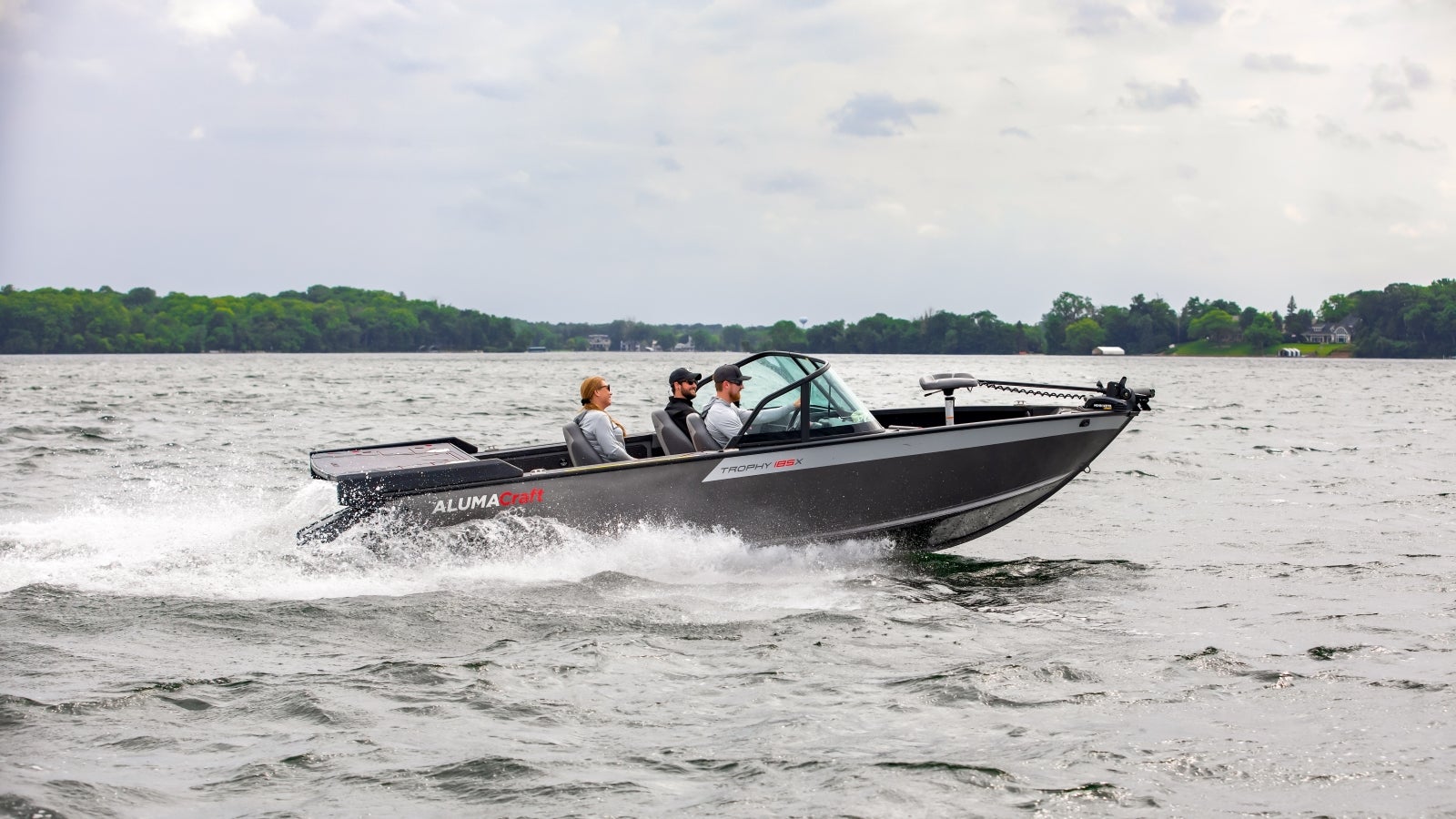

The integration of advanced technology is a cornerstone of modern Inupiat fishing. Global Positioning Systems (GPS) provide pinpoint accuracy for navigation, crucial in featureless or ice-covered waters. Radar systems detect ice floes, other vessels, and landmasses, enhancing safety and operational awareness, especially during low visibility conditions common in the Arctic.
Sonar technology plays a vital role in locating fish schools and mapping underwater topography, allowing for more efficient and targeted fishing. This precision helps reduce bycatch and minimizes environmental impact. Modern communication systems, including satellite phones and VHF radios, ensure that crews can stay in contact with shore bases and other vessels, a critical safety feature in remote Arctic regions.
Safety equipment on these boats is paramount. Beyond standard life jackets and flares, Inupiat fishing boats are often equipped with specialized cold-weather survival suits, Emergency Position-Indicating Radio Beacons (EPIRBs), and extensive first-aid kits. Crew training emphasizes cold-weather survival, ice navigation, and emergency response protocols, reflecting the inherent risks of Arctic marine operations.
Fishing gear has also seen significant modernization. While traditional methods like nets and hooks are still used, modern vessels often employ hydraulic systems for deploying and retrieving large nets or longlines. Specialized gillnets, trawls, and jigging machines are adapted for specific target species and the harsh Arctic environment, maximizing catch efficiency while aiming for sustainability.
How has technology changed Inupiat fishing? Technology has revolutionized Inupiat fishing by enhancing safety, efficiency, and sustainability. GPS, radar, and sonar improve navigation and fish finding, while modern communication systems ensure connectivity. Advanced boat designs and gear reduce physical labor and allow for operations in more challenging conditions, extending fishing seasons and ranges.
Operating in the Arctic presents a unique set of challenges. Extreme weather, characterized by fierce storms, heavy snow, and prolonged periods of darkness, demands robust vessels and experienced crews. The ever-present threat of sea ice, from small floes to massive multi-year ice, requires constant vigilance and specialized navigation skills.
Remote locations mean long distances to fuel depots, repair facilities, and medical aid. This necessitates meticulous planning, self-sufficiency, and comprehensive maintenance routines for all onboard systems. Spare parts and tools are often carried in abundance to handle unexpected breakdowns far from shore.
Climate change is perhaps the most significant challenge facing Inupiat modern fishing. Shrinking sea ice impacts traditional hunting grounds and travel routes, while changing ocean temperatures affect fish migration patterns and species distribution. This necessitates continuous adaptation and flexible strategies for communities dependent on marine resources.
Despite these challenges, the benefits of modern fishing boats are substantial. They provide increased access to marine resources, enhancing food security for communities. They also open avenues for commercial fishing, creating employment opportunities and contributing to local economies, fostering self-sufficiency and economic resilience.


How do Inupiat communities ensure sustainable fishing practices? Sustainability is deeply ingrained in Inupiat culture, guided by Traditional Ecological Knowledge (TEK). Modern practices combine this wisdom with scientific fisheries management. This includes respecting traditional hunting seasons, observing catch limits, avoiding waste, and participating in co-management efforts with state and federal agencies to ensure long-term resource viability.
The Inupiat approach to resource management is a powerful example of integrating traditional knowledge with modern scientific methods. Elders’ observations on animal behavior and environmental changes, passed down through generations, inform contemporary harvesting decisions. This TEK is often combined with scientific data on fish stocks and marine mammal populations to develop comprehensive management strategies.
Many Inupiat communities participate in co-management agreements with government bodies, allowing local input and traditional perspectives to shape fisheries regulations. These agreements often include seasonal restrictions, gear limitations, and specific quotas designed to protect vulnerable species and ensure the health of the entire ecosystem.
Modern fishing operations create vital economic opportunities in remote Arctic villages. Commercial fishing provides income, reducing reliance on external aid and supporting local businesses. This economic activity helps sustain cultural practices by providing resources for community programs and allowing individuals to remain connected to their ancestral lands.
The cultural significance of marine harvesting extends beyond mere sustenance. It reinforces community bonds, passes on traditional skills to younger generations, and maintains a profound connection to the land and sea that defines Inupiat identity. Modern boats facilitate this continuity by allowing safe and efficient access to these essential resources.
What are the common features of a modern Inupiat fishing boat? Common features include robust hull construction for ice navigation, powerful engines, advanced navigation systems (GPS, radar, sonar), sophisticated communication equipment (satellite phone, VHF), extensive safety gear (survival suits, EPIRBs), specialized fishing gear (hydraulic systems, specific nets), and often, heated cabins for crew comfort in extreme cold.
Looking ahead, the future of Inupiat modern fishing boats will likely involve continued technological advancements. This could include more fuel-efficient engines, autonomous navigation aids, and improved data collection systems for fisheries management. The increasing availability of renewable energy sources might also lead to hybrid or electric propulsion systems, reducing reliance on fossil fuels.
Policy changes, particularly those addressing climate change and Arctic resource management, will also play a significant role. Inupiat communities will continue to advocate for policies that support sustainable practices, protect their traditional harvesting rights, and ensure their ability to adapt to a rapidly changing Arctic environment.
Engaging youth in modern fishing practices is crucial for the continuity of Inupiat culture and economy. Training programs that combine traditional ecological knowledge with modern maritime skills will empower the next generation of Inupiat seafarers, ensuring that both heritage and innovation thrive.
In conclusion, Inupiat modern fishing boats are a testament to the ingenuity and resilience of a people deeply connected to their environment. They represent a dynamic fusion of ancient wisdom and cutting-edge technology, enabling communities to navigate the challenges of the Arctic while sustaining their culture and economy.
These vessels are more than just boats; they are vital tools for survival, economic engines, and symbols of a proud heritage. As the Arctic continues to change, the adaptability and resourcefulness demonstrated by Inupiat communities through their modern fishing practices will undoubtedly guide them towards a sustainable and prosperous future on the sea.


