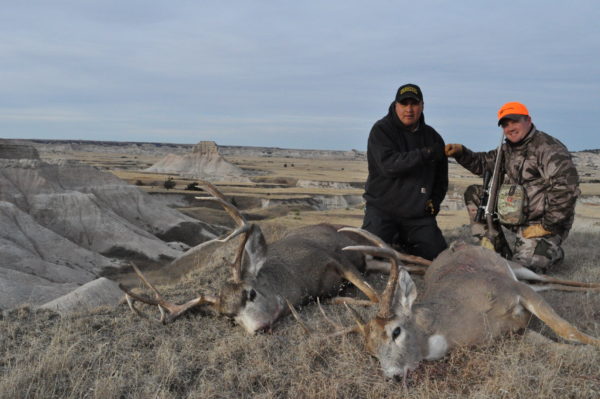

Embarking on a hunting adventure on Indian reservations offers a truly unique and often unparalleled experience for sportsmen and women. These lands, rich in biodiversity and cultural heritage, provide access to some of North America’s most pristine hunting grounds. However, navigating the specific regulations and respecting the sovereign nature of tribal lands requires careful planning and, most importantly, the expertise of a professional hunting guide.
This comprehensive guide will delve into everything you need to know about hunting on tribal lands, emphasizing the invaluable role a knowledgeable guide plays in ensuring a successful, ethical, and legally compliant hunt. From understanding tribal sovereignty to securing the right permits and appreciating the cultural context, we’ll cover it all.
Understanding Tribal Sovereignty and Jurisdiction
One of the foundational aspects of hunting on Native American reservations is understanding the concept of tribal sovereignty. Indian reservations are not simply federal or state land; they are sovereign nations with their own distinct governments, laws, and wildlife management programs. This means that state hunting regulations typically do not apply on these lands.
Instead, hunters must adhere to the specific ordinances established by the individual tribe that governs the reservation. These tribal laws often cover everything from licensing and permit requirements to season dates, bag limits, weapon restrictions, and even specific hunting methods. Ignorance of these laws is no excuse, and violations can lead to severe penalties, including fines, confiscation of equipment, and even arrest by tribal law enforcement.
The Indispensable Role of a Professional Hunting Guide
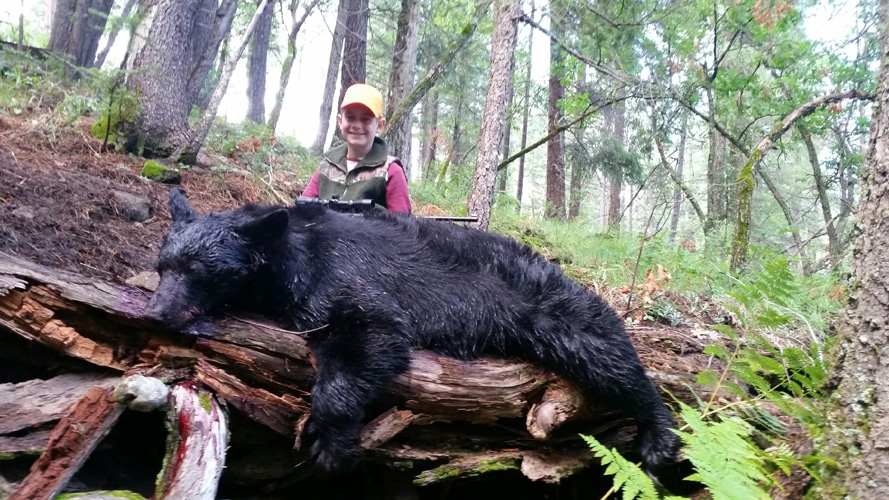

While the allure of tribal lands is strong, the complexities involved make a professional hunting guide an almost indispensable asset. A guide who specializes in tribal land hunts brings a wealth of knowledge and experience that can transform a potentially confusing or challenging trip into a seamless and highly rewarding one.
Expertise in Terrain and Wildlife: Tribal guides possess intimate knowledge of the local landscape, animal behavior, and prime hunting areas. They’ve spent countless hours tracking game, understanding migration patterns, and navigating often-rugged terrain, significantly increasing your chances of success.
Navigating Tribal Regulations and Customs: Perhaps most critically, a good guide will be intimately familiar with the specific hunting regulations of the tribe whose land you’ll be hunting on. They can help you understand permit requirements, ensure you’re in compliance with all rules, and guide you through any necessary paperwork or cultural protocols.
Cultural Sensitivity and Respect: Beyond just regulations, a guide can act as a cultural liaison, helping you understand and respect the traditions, customs, and spiritual connection that many tribes have with their land and its wildlife. This fosters a more respectful and enriching experience for everyone involved.
Safety and Logistics: Hunting in remote areas carries inherent risks. Guides are trained in wilderness first aid, navigation, and emergency procedures. They also handle many logistical details, from transportation and camp setup to game retrieval, allowing you to focus purely on the hunt.
Permits, Licenses, and Application Processes
Hunting on tribal lands requires specific tribal permits and licenses, which are separate from state hunting licenses. It’s crucial to understand that a state hunting license is usually not valid on sovereign tribal lands. Each tribe manages its own permitting system, and the process can vary widely.
Typically, you’ll need to purchase a tribal hunting permit, and often a tag for the specific species you intend to hunt (e.g., elk tag, deer tag). These permits are often limited in number and can be highly sought after, especially for trophy animals or specific seasons. Some tribes may also require non-tribal members to be accompanied by a tribal member or licensed guide.
It is imperative to research the specific tribe’s requirements well in advance of your planned hunt. Application deadlines, lottery systems, and fee structures will all vary. Your chosen professional guide or outfitter should be your primary resource for navigating these requirements and assisting with the application process.


Choosing the Right Tribal Outfitter or Guide Service
- Experience and Reputation: How long have they been operating on tribal lands? Do they have a good reputation for ethical practices and successful hunts?
- Licenses and Insurance: Ensure they are properly licensed by the tribe and carry adequate insurance.
- Inclusions: Understand what the hunt package includes (e.g., lodging, meals, transportation, game processing, trophy care).
- References: Don’t hesitate to ask for references from previous clients.
- Communication: A good outfitter will be transparent and communicative about all aspects of the hunt, including costs, expectations, and regulations.
What Game Species Can You Hunt on Indian Reservations?
- Elk: Many Western reservations offer exceptional elk hunting, including opportunities for trophy bulls.
- Deer: Mule deer and whitetail deer are common across various tribal lands, often in areas with less hunting pressure.
- Bighorn Sheep: Some tribes manage world-class bighorn sheep populations, offering highly coveted tags.
- Pronghorn Antelope: Fast and elusive, pronghorn offer a challenging plains hunt.
- Buffalo/Bison: A unique opportunity on certain reservations, often managed as herd control hunts.
Beyond big game, many reservations also offer excellent hunting for wild turkey, upland birds, waterfowl, and even predators like coyotes and mountain lions. Always confirm the specific species available and the associated regulations with your guide and the tribe.
Ethical Hunting and Conservation on Tribal Lands
Respect for wildlife and the land is a cornerstone of tribal culture and a fundamental expectation for all hunters. Many tribes have highly effective wildlife management programs, often predating modern conservation efforts. These programs prioritize sustainable harvesting, habitat preservation, and the health of animal populations.
When hunting on tribal lands, you are not just participating in a sport; you are engaging with a living culture and contributing to the economic well-being and conservation efforts of the tribe. Adhere strictly to fair chase principles, practice responsible shot placement, and respect the animal after the harvest. Leave no trace and minimize your impact on the environment.
A Unique Cultural Immersion Experience
- Learning about traditional tracking methods or plant uses.
- Hearing stories and histories passed down through generations.
- Participating in ceremonies or blessings (if offered and appropriate).
- Experiencing traditional foods or crafts.
Approaching the experience with an open mind and a respectful attitude will greatly enhance your journey and create memories far beyond the trophy itself.
Planning Your Tribal Hunting Adventure
- Season and Weather: Research the best time of year for your target species and be prepared for varying weather conditions.
- Gear and Equipment: Ensure you have appropriate clothing, footwear, optics, and a reliable weapon suitable for the terrain and game. Your guide can provide specific recommendations.
- Physical Preparation: Tribal lands can be rugged. Be in good physical condition to handle hiking, climbing, and potentially strenuous activity.
- Budget: Tribal hunts, especially for trophy animals or with premium outfitters, can be a significant investment. Factor in permit fees, guide fees, travel, and potential taxidermy/meat processing costs.
Addressing Common Questions (People Also Ask)
- Are tribal hunts more expensive than state hunts? Not necessarily. While some premium trophy hunts can be costly due to limited tags and high demand, many tribal hunts are competitively priced and offer exceptional value due to less crowded areas and higher success rates.
- Can non-tribal members hunt on reservations? Yes, absolutely, provided they obtain the necessary tribal permits and adhere to tribal regulations.
- What about weapon restrictions? Restrictions vary by tribe. Some may have specific rules regarding caliber, ammunition type, or bow poundage. Always confirm with your guide.
- Is it safe to hunt on reservations? Yes, generally. Like any wilderness hunt, safety depends on preparation, adherence to rules, and the expertise of your guide. Tribal law enforcement ensures safety and compliance.
The Economic and Conservation Benefits
When you choose to hunt on an Indian reservation with a licensed tribal guide, you are directly supporting the local tribal economy. The revenue generated from hunting permits and outfitter services often goes back into tribal programs, including education, healthcare, infrastructure, and crucial wildlife conservation initiatives. This makes your hunt a meaningful contribution to the community and its natural resources.
Booking Your Adventure
Begin by identifying the species you wish to hunt and the general region. Research tribes known for good hunting opportunities for that species. Then, start looking for reputable tribal outfitters or guide services that operate in those areas. Contact them early, as popular hunts can book up months or even a year in advance. Be prepared to discuss your expectations, experience level, and budget.
Conclusion: A Hunt Like No Other
Hunting on Indian reservations with a professional guide offers a profound and memorable experience that goes far beyond the pursuit of game. It’s an opportunity to connect with ancient lands, learn from indigenous cultures, and participate in a deeply ethical and well-managed wildlife program. By understanding and respecting tribal sovereignty, adhering to specific regulations, and entrusting your adventure to a knowledgeable guide, you unlock a world of unparalleled hunting opportunities.
This unique blend of challenging sport, cultural immersion, and responsible conservation makes a guided hunt on tribal lands an adventure that every serious outdoors enthusiast should consider.


