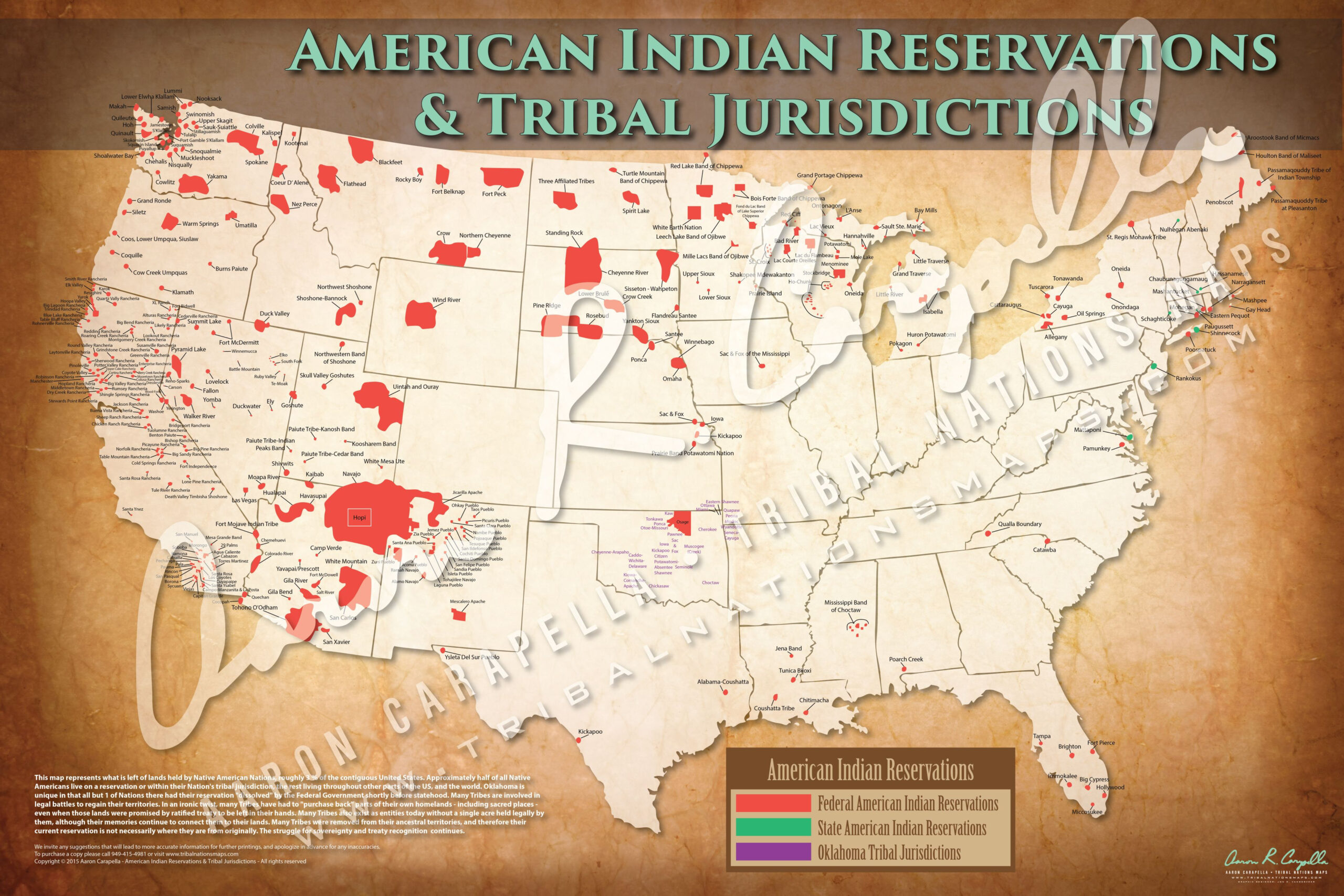

In an increasingly interconnected world, the way we use language holds immense power. It shapes perceptions, reflects understanding, and can either build bridges or inadvertently create barriers. When discussing Indigenous peoples and their ancestral lands, particularly what are commonly known as ‘Indian reservations,’ linguistic precision and cultural sensitivity are not just polite gestures; they are fundamental acts of respect and acknowledgment.
This comprehensive guide aims to illuminate the complexities surrounding terminology, offering clarity on how to refer to these sovereign territories and the communities residing within them in a manner that is both accurate and deeply respectful. Our goal is to empower you with the knowledge to communicate thoughtfully and effectively, recognizing the rich history, sovereignty, and diversity of Indigenous nations.
Understanding the Historical Context of ‘Reservations’
The term ‘reservation’ itself carries a heavy historical weight. It originated from a colonial process where Indigenous peoples were forcibly removed from their ancestral lands and confined to specific, often smaller, territories. These lands were ‘reserved’ for them by treaties or executive orders, frequently under duress, and often represented a fraction of their traditional homelands.
Understanding this history is crucial because it highlights that these lands are not merely tracts of land; they are places of resilience, cultural survival, and ongoing self-determination, despite their origins in dispossession. The term, therefore, can evoke a complex mix of historical trauma and contemporary pride in sovereignty.
Preferred Terminology: Shifting Towards Respect and Accuracy


While ‘Indian reservation’ is a widely recognized term, it’s often not the most preferred or accurate. The most respectful approach is to use the specific name of the Tribal Nation or Indigenous Nation whenever possible. Just as you wouldn’t refer to ‘a state’ without specifying ‘California’ or ‘New York,’ precision is key here.
For example, instead of ‘the reservation in Arizona,’ aim for ‘the Navajo Nation’ or ‘the Tohono O’odham Nation.’ This not only demonstrates respect for their distinct identity but also acknowledges their status as sovereign governmental entities.
Emphasizing Sovereignty: ‘Tribal Nation’ or ‘Sovereign Nation’
The concept of tribal sovereignty is paramount. Indigenous nations are not merely ethnic groups; they are distinct political entities with inherent rights to self-governance. Referring to them as ‘Tribal Nations’ or ‘Sovereign Nations’ reinforces this crucial legal and political status.
This terminology underscores that these communities operate under their own laws, govern their own affairs, and maintain a nation-to-nation relationship with the federal government, rather than being mere subdivisions of a state.
‘Native American’ vs. ‘American Indian’ vs. ‘Indigenous’
The debate over ‘Native American’ versus ‘American Indian’ is ongoing and often depends on individual preference and regional context. Many people, particularly younger generations, prefer ‘Native American’ or ‘Indigenous Peoples’ as broader, more inclusive terms that avoid the historical baggage of ‘Indian,’ a misnomer imposed by European colonizers.
However, some tribal members and organizations, particularly older generations or those with historical ties to terms like the ‘American Indian Movement,’ still prefer ‘American Indian.’ It’s always best to listen to how individuals or specific communities refer to themselves. When in doubt, ‘Native American’ or ‘Indigenous Peoples’ are generally safer and more widely accepted in general discourse.
Canadian Context: ‘First Nations Reserve’ and ‘Indigenous Land’


It’s important to note regional differences. In Canada, the term ‘First Nations reserve’ is common, though ‘Indigenous land’ or specific Nation names are often preferred. ‘First Nations,’ ‘Métis,’ and ‘Inuit’ are distinct Indigenous groups with their own histories and preferred terminologies. Always be mindful of the specific geographic and cultural context.
Terms to Approach with Caution or Avoid Entirely
While the intent may not always be malicious, certain terms carry negative connotations or perpetuate harmful stereotypes. Being aware of these and actively avoiding them is a vital component of respectful communication.
- ‘Indian Giver’: This is an offensive and inaccurate idiom. It implies that Indigenous peoples take back what they’ve given, when in fact, it originated from a misunderstanding of gift-giving customs in some Indigenous cultures.
- ‘Tribe’ (used generically or dismissively): While ‘tribe’ is a valid term when referring to a specific, self-identified group (e.g., ‘the Cherokee Tribe’), using it as a blanket, often diminutive term for all Indigenous peoples can be problematic. It can strip away the recognition of their nationhood and diversity.
- ‘Redskin’: This term is a deeply offensive racial slur with a history rooted in violence and dehumanization. It should never be used under any circumstances.
- ‘Primitive,’ ‘Savage,’ ‘Ancient’: These words perpetuate harmful stereotypes that Indigenous cultures are stuck in the past or are less developed. Indigenous cultures are dynamic, modern, and continually evolving.
- ‘Reservation’ (used in isolation or with negative connotations): While ‘reservation’ is still used, especially by those living on them, using it without context or allowing it to imply backwardness or isolation is disrespectful. Always pair it with the specific tribal name if necessary, or opt for ‘Nation’ or ‘territory.’
The Significance of Self-Identification
Ultimately, the most respectful approach is to defer to how an individual or a community identifies themselves. If a person says they are ‘Indian,’ respect that. If a nation refers to itself as the ‘Oglala Lakota Nation,’ use that name.
This principle of self-identification is foundational to respectful engagement with any cultural group. It acknowledges their agency and right to define themselves on their own terms, rather than accepting external labels.
Practical Guidelines for Respectful Communication
- Listen and Learn: Pay attention to how Indigenous individuals and communities refer to themselves and their lands. This is the most direct way to learn preferred terminology.
- Ask When Unsure: If you are engaging directly with an Indigenous person or community and are unsure about the best term to use, politely ask. Most people appreciate the effort to be respectful.
- Educate Yourself: Beyond this guide, seek out resources from Indigenous voices. Websites of tribal nations, Indigenous cultural centers, and scholarly works can provide invaluable insights.
- Avoid Generalizations: Remember that ‘Indigenous peoples’ are incredibly diverse, with hundreds of distinct languages, cultures, histories, and governments across North America alone. Avoid making sweeping statements about ‘all Native Americans.’
- Acknowledge Land: Consider incorporating land acknowledgments into public presentations or events, recognizing the traditional Indigenous caretakers of the land you are on.
Addressing Common Questions (People Also Ask)
Is ‘Indian Country’ an acceptable term?
Yes, ‘Indian Country’ is a term with specific legal and cultural meaning. It is often used by Indigenous peoples themselves to refer to the collective lands and communities of Native nations, both federally recognized and unrecognized. It signifies a shared identity and legal status. However, for general public use, ‘Native American communities’ or ‘Indigenous lands’ might be clearer to a broader audience who may not understand its specific nuances.
What is the difference between ‘Native American’ and ‘American Indian’?
‘Native American’ is generally considered a broader, more inclusive term, encompassing all Indigenous peoples of the Americas, including those in Canada (First Nations, Inuit, Métis) and Latin America, though it’s most commonly used for those within the United States. ‘American Indian’ specifically refers to the Indigenous peoples within the continental United States. As mentioned, individual and tribal preferences vary, so context and self-identification are key.
Can I say ‘tribe’?
Yes, ‘tribe’ is an acceptable term when referring to a specific, self-identified group (e.g., ‘the Cherokee Tribe,’ ‘the Nez Perce Tribe’). However, avoid using it as a generic, catch-all term for all Indigenous peoples, especially if it diminishes their status as a nation or implies a lack of sophistication. Always strive for specificity and respect for their sovereign status.
How do I find out the correct name for a specific nation or community?
The best way is through research. Look for official tribal websites, government resources (like the Bureau of Indian Affairs list of federally recognized tribes), or reputable cultural organizations. If you are visiting or engaging with a specific community, their official communications will almost always use their preferred name.
Is it okay to visit reservations?
Absolutely, many tribal nations welcome visitors! Visiting can be a wonderful way to learn about Indigenous cultures, support tribal economies, and engage respectfully. However, it’s crucial to do so with respect: research local customs, adhere to any posted rules, ask permission before taking photos of people or sacred sites, and be mindful that you are a guest on sovereign land. Support local businesses and cultural centers.
Conclusion: A Continuous Journey of Respect and Learning
Referring to Indian reservations and Indigenous peoples respectfully is an ongoing process that requires active listening, continuous learning, and a commitment to using language that honors sovereignty, history, and cultural diversity. By choosing precise and respectful terminology—prioritizing specific tribal names, acknowledging sovereignty, and avoiding harmful stereotypes—we contribute to a more inclusive and understanding society.
Remember, language is a powerful tool. Let us wield it with care, recognizing the profound impact our words have on fostering respect, celebrating resilience, and acknowledging the vibrant present and future of Indigenous Nations.


