
Beyond Mere Adornment: The Enduring Tapestry of Native American Self-Expression
For millennia, the diverse Indigenous peoples of North America have adorned themselves, not merely for aesthetic appeal, but as a profound expression of identity, spirituality, status, and connection to the natural world. Far from being simple decoration, Native American adornment is a complex visual language, a living history etched in shell, bead, feather, and silver, telling stories of creation, lineage, power, and resilience. To understand this rich tradition is to glimpse the soul of a culture, vibrant and enduring through centuries of change.
The origins of Native American adornment stretch back to the dawn of human presence on the continent, long before European contact. Early archaeological findings reveal an ingenious use of natural materials readily available from their immediate environments. Shells, particularly from the Atlantic and Pacific coasts and the Great Lakes, were highly prized, traveling vast distances through sophisticated trade networks. Marine shells like conch and abalone were carved into gorgets (necklaces), pendants, and beads, often depicting intricate cosmological symbols or animal spirits. Freshwater pearls, found in abundance in rivers across the continent, were also fashioned into exquisite jewelry.
Bone, teeth, and claws from animals—deer, elk, bear, and powerful predators—were transformed into powerful amulets and decorative elements, imbued with the spirit and strength of the creature they represented. Bird bones were carved into flutes or beads, while the iridescent feathers of eagles, hawks, and other birds of prey were woven into headdresses, cloaks, and regalia, symbolizing courage, spiritual connection, and honor. Stone, too, was meticulously worked; turquoise, obsidian, pipestone, and catlinite were carved, polished, and drilled into beads, pendants, and ceremonial objects, each stone carrying its own geological narrative and spiritual significance.
Perhaps one of the most distinctive pre-contact adornment techniques was porcupine quillwork. Practiced primarily by Plains and Great Lakes tribes, this intricate art involved flattening, dyeing, and then sewing thousands of quills onto hides, birchbark, or fabric using sinew. The quills were often arranged in geometric patterns, sometimes depicting animals or celestial bodies, creating a vibrant, textured surface. This painstaking process yielded stunning results, adorning moccasins, pipe bags, clothing, and regalia with unparalleled beauty and cultural depth.
The arrival of Europeans in the late 15th century irrevocably altered the landscape of Native American adornment, yet it did not diminish its cultural significance. Instead, Indigenous artists skillfully integrated new materials into their existing artistic traditions, creating entirely new forms of expression. Glass beads, introduced by traders from Venice, Bohemia, and other European centers, rapidly replaced porcupine quills as the primary medium for decorative stitching. Their uniform size, vast array of colors, and relative ease of use sparked an explosion of creativity.
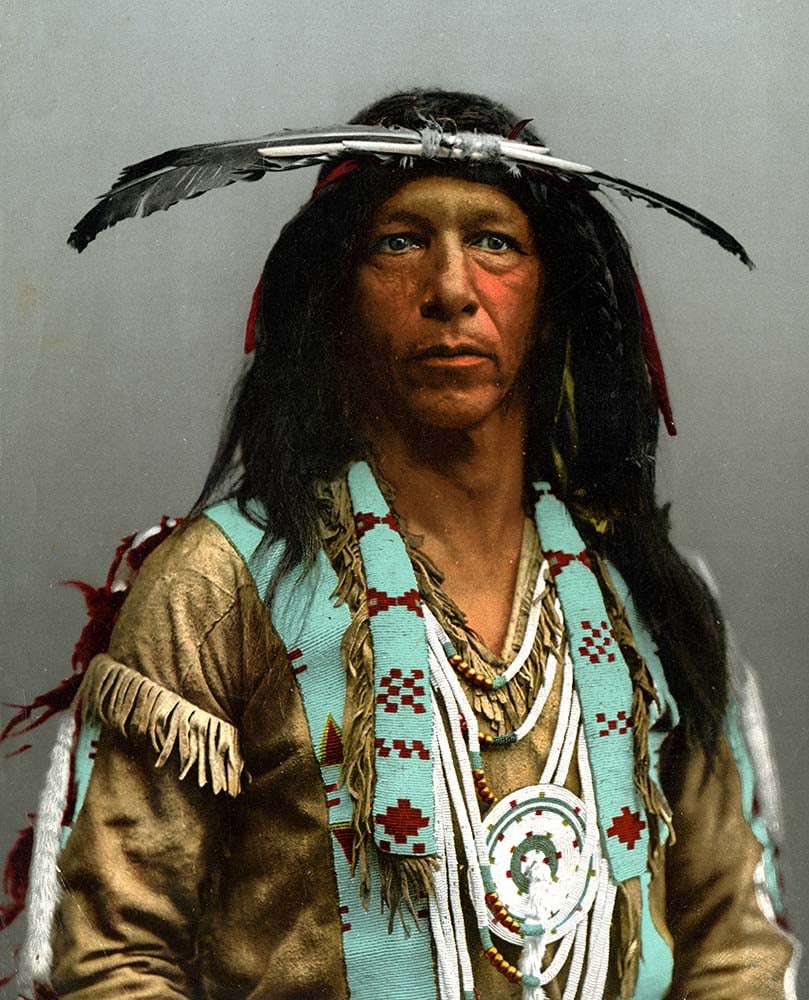
Native artisans quickly mastered beadwork, developing distinct regional styles and patterns. Plains tribes became renowned for their intricate pictorial and geometric designs, often covering entire garments or bags with dazzling displays of color and symbolism. Great Lakes tribes developed floral motifs, reflecting the rich botanical diversity of their homelands. The sheer volume of glass beads available allowed for a scale of adornment previously unimaginable, transforming everyday objects and ceremonial regalia into masterpieces of textile art.
Another transformative material was metal, particularly silver. While some Native cultures, like those of the Great Lakes, had worked with native copper for millennia, the introduction of European silver coins and ingots in the 19th century led to the development of a sophisticated silversmithing tradition, most notably among the Navajo (Diné), Zuni, and Hopi peoples of the American Southwest.
Navajo silversmiths, learning techniques from Mexican plateros (silversmiths) and American blacksmiths, began crafting exquisite jewelry. Their work is characterized by heavy gauge silver, often stamped with intricate designs, and later, the incorporation of highly prized turquoise stones. The Zuni became celebrated for their lapidary skills, creating intricate mosaic and cluster work, meticulously setting hundreds of small turquoise, coral, jet, and mother-of-pearl pieces into silver matrices. Hopi silversmiths developed an overlay technique, where two sheets of silver are cut, textured, and then soldered together, creating striking contrasts between oxidized and polished surfaces, often depicting ancient petroglyph designs.
The significance of these materials transcended their intrinsic value. Turquoise, for instance, was (and is) revered by many Southwestern tribes as "the sky stone" or "the stone of life," believed to offer protection, health, and spiritual connection. The painstaking effort involved in acquiring and shaping these materials, combined with the artistic skill required, imbued each piece of adornment with profound meaning. As many elders often say, "Every bead tells a story, every piece of silver carries a prayer."
Beyond jewelry and clothing, Native American adornment encompassed a wider spectrum of body modification and decoration. Tattooing, practiced by numerous tribes from the Arctic to the Southeast, served as a permanent marker of identity, status, achievement, and spiritual connection. Designs varied widely, from intricate facial tattoos of the Inuit and Haida, signifying lineage and protection, to geometric or animal motifs on the bodies of Eastern Woodland peoples, often associated with warfare or coming-of-age rituals.
Body painting, using pigments derived from natural sources like ochre, charcoal, and plant dyes, was a temporary but equally powerful form of adornment. It was employed for ceremonial purposes, warfare, hunting, and social events. The specific colors and designs carried precise meanings, communicating tribal affiliation, individual prowess, spiritual invocations, or even emotional states. For example, specific patterns of war paint were believed to offer protection or instill fear in enemies.
Hairstyles, too, were significant forms of adornment and communication. Braids, topknots, elaborate coiffures woven with sinew, beads, and feathers—each style could denote marital status, tribal identity, age, or a state of mourning. The iconic long, flowing hair of many Plains warriors, often adorned with braids, feathers, and elaborate hair wraps, was not merely fashion but a testament to their identity and connection to their heritage. The "roach" headdress, made of porcupine guard hairs and deer tail hair, worn by many Eastern and Plains tribes, symbolized warrior status and spiritual power.
The renowned Plains war bonnet, with its majestic eagle feathers, stands as perhaps the most globally recognized symbol of Native American adornment. Each feather in a bonnet represents an act of bravery or a significant achievement, meticulously earned and bestowed. The creation of such a bonnet was a sacred process, and its wearing was reserved for respected leaders and warriors. It is a powerful example of how adornment was inextricably linked to honor, accomplishment, and the spiritual well-being of the community.
In the modern era, Native American adornment continues to evolve, demonstrating remarkable adaptability and resilience. Contemporary Indigenous artists draw upon traditional techniques and motifs, while also incorporating modern materials and pushing artistic boundaries. They create pieces that are both deeply rooted in cultural heritage and strikingly contemporary, challenging stereotypes and asserting their sovereign identities in a globalized world.
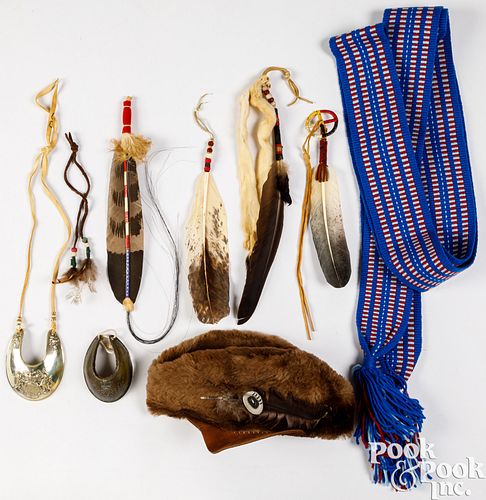
The journey of Native American adornment, from the earliest shell beads to intricate silverwork and contemporary art pieces, is a testament to the profound artistic vision and spiritual depth of Indigenous cultures. It reminds us that adornment is rarely superficial; for Native peoples, it has always been a powerful medium through which to communicate identity, honor history, express faith, and celebrate the enduring beauty of their heritage. It is a vibrant, living tradition, constantly reinterpreting the past while forging new paths into the future, forever whispering the stories of the land and its people.


