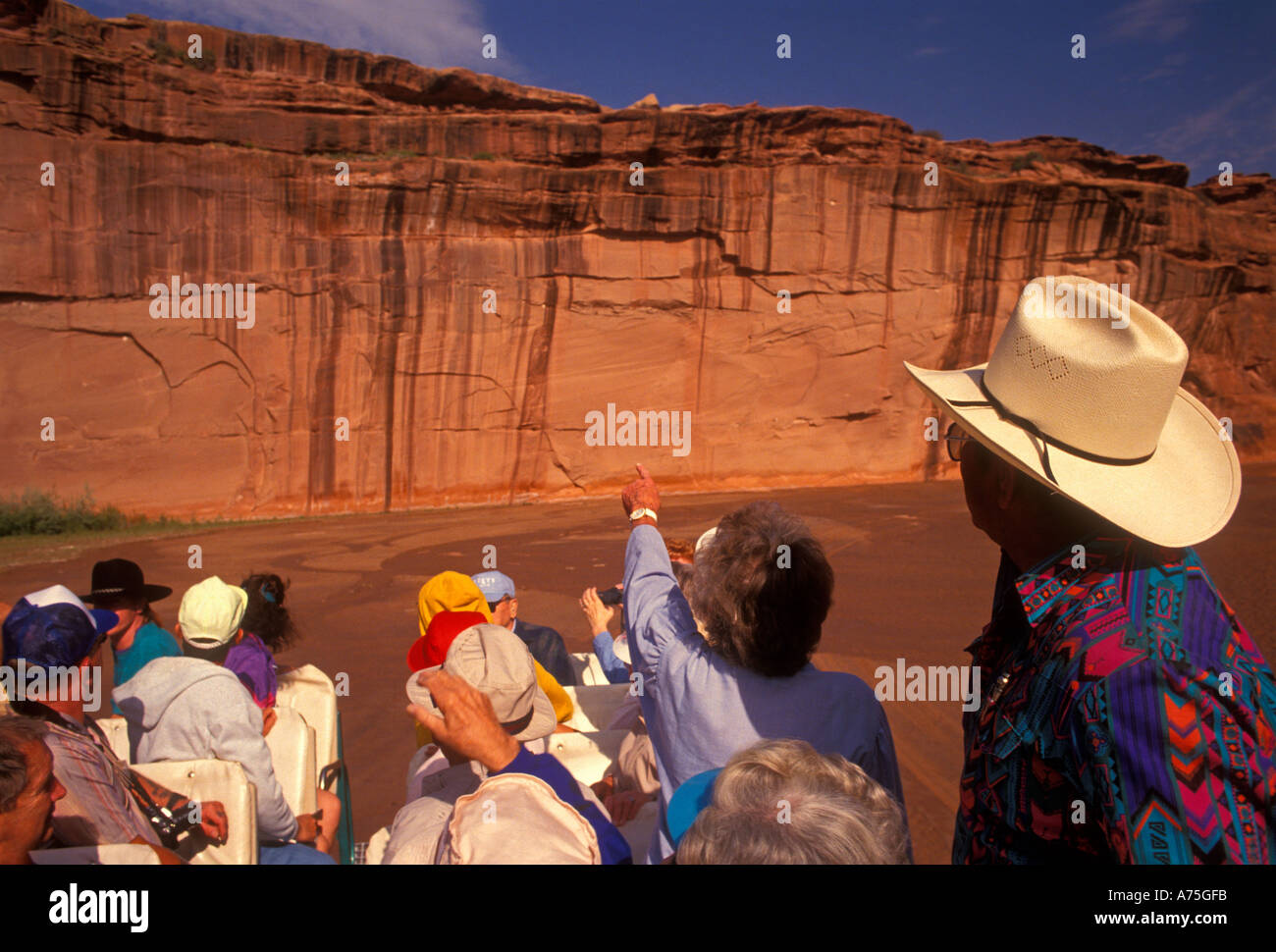

Embarking on a guided tour of an Indian Reservation offers a unique opportunity to connect with the history, culture, and traditions of Native American tribes. These tours, often led by tribal members, provide insights into the past and present lives of Indigenous people, fostering understanding and respect. This comprehensive guide explores the nuances of visiting Indian Reservations, emphasizing ethical tourism, cultural sensitivity, and responsible travel.
Why Choose a Guided Tour?
Guided tours offer several advantages over independent exploration. Knowledgeable guides, often tribal elders or historians, provide context and narratives that bring the history and culture to life. They can answer questions, share personal stories, and offer perspectives that are not readily available to the casual visitor. Furthermore, guided tours often contribute directly to the economic well-being of the tribal community, supporting local businesses and cultural preservation efforts.
Understanding Indian Reservations: A Brief Overview
Indian Reservations are areas of land reserved for Native American tribes by treaties or executive orders. These reservations are sovereign nations with their own governments, laws, and cultural practices. It’s crucial to remember that each reservation is unique, with its own distinct history, language, and traditions. Respecting this sovereignty and individuality is paramount when planning a visit.
Planning Your Visit: Essential Considerations

Before embarking on your journey, thorough planning is essential. Research the specific reservation you intend to visit, understanding their rules, regulations, and cultural protocols. Many reservations have websites or tourism offices that provide valuable information. Contacting the tribal authorities in advance can help ensure a respectful and enriching experience.
Choosing the Right Tour Operator
Selecting a reputable and ethical tour operator is crucial. Look for companies that work directly with the tribal community, employing local guides and supporting local businesses. Avoid tour operators that exploit Native American culture or perpetuate stereotypes. Prioritize tours that emphasize education, cultural exchange, and responsible tourism practices.
What to Expect on a Guided Tour
The content of a guided tour can vary depending on the reservation and the tour operator. However, most tours include visits to historical sites, cultural centers, and museums. You may have the opportunity to learn about traditional crafts, music, dance, and storytelling. Some tours also offer insights into contemporary issues facing Native American communities.
Cultural Sensitivity: Dos and Don’ts
Respect for Native American culture is paramount. Dress modestly, avoid loud or disruptive behavior, and refrain from taking photographs or videos without permission. Be mindful of sacred sites and follow the instructions of your guide. Avoid making assumptions or generalizations about Native American people or culture. Listen attentively and ask respectful questions.
Common Questions About Visiting Indian Reservations (People Also Ask)
Is it disrespectful to visit a reservation?

Visiting an Indian Reservation is not inherently disrespectful, provided that you do so with respect, humility, and a genuine interest in learning about the culture and history of the tribe. Supporting tribal tourism initiatives can contribute to the economic well-being of the community and help preserve their cultural heritage.
Can I take photos on a reservation?
Photography policies vary from reservation to reservation. Always ask for permission before taking photos, especially of people, ceremonies, or sacred sites. Some reservations may have restrictions on photography to protect cultural sensitivities or privacy.
What should I wear when visiting a reservation?
Dress modestly and respectfully. Avoid wearing revealing clothing or clothing with offensive slogans or imagery. Comfortable walking shoes are recommended, as you may be doing a lot of walking.
Are there any specific customs I should be aware of?
Customs vary from tribe to tribe. Be aware of local customs and protocols. Avoid interrupting or speaking out of turn, and listen attentively to your guide. Be respectful of elders and sacred sites.
How can I support Native American communities?
There are many ways to support Native American communities. Patronize Native-owned businesses, donate to tribal charities, and advocate for policies that support tribal sovereignty and self-determination. Educate yourself about Native American history and culture, and share your knowledge with others.
Responsible Tourism: Minimizing Your Impact
Practice responsible tourism by minimizing your environmental impact. Dispose of waste properly, stay on marked trails, and avoid disturbing plants or wildlife. Support sustainable tourism practices that benefit the local community and protect the environment.
The Role of Education and Awareness
Guided tours of Indian Reservations play a vital role in education and awareness. They provide an opportunity to learn about the history, culture, and contemporary issues facing Native American communities. By fostering understanding and respect, these tours can help break down stereotypes and promote reconciliation.
Supporting Native American Businesses
When visiting Indian Reservations, make an effort to support Native American businesses. Purchase souvenirs and crafts directly from local artisans, dine at Native-owned restaurants, and stay at Native-owned hotels or bed and breakfasts. Your spending can directly contribute to the economic well-being of the tribal community.
Understanding Tribal Sovereignty
Tribal sovereignty is the inherent right of Native American tribes to govern themselves and their lands. This sovereignty is recognized by the United States government, although it has been historically challenged and eroded. Respecting tribal sovereignty is essential when visiting Indian Reservations. Understand that tribal laws and regulations may differ from state or federal laws.
The Importance of Cultural Preservation
Many Native American tribes are working hard to preserve their cultural heritage, including their languages, traditions, and sacred sites. Guided tours can support these efforts by raising awareness and generating revenue for cultural preservation programs. By learning about and appreciating Native American culture, visitors can help ensure that it is passed down to future generations.
Beyond the Tour: Continuing Your Learning
Your learning doesn’t have to end when the tour is over. Continue to educate yourself about Native American history and culture by reading books, watching documentaries, and visiting museums. Engage with Native American voices and perspectives, and advocate for policies that support tribal sovereignty and self-determination.
Ethical Considerations for Tour Operators
Tour operators have a responsibility to conduct their business ethically and responsibly. This includes working directly with tribal communities, employing local guides, and respecting cultural protocols. Tour operators should also avoid exploiting Native American culture or perpetuating stereotypes. Transparency and accountability are essential.
The Future of Tourism on Indian Reservations
The future of tourism on Indian Reservations is bright, with increasing opportunities for cultural exchange and economic development. As more people seek authentic and meaningful travel experiences, guided tours of Indian Reservations will continue to grow in popularity. By promoting responsible tourism practices and respecting tribal sovereignty, we can ensure that these tours benefit both visitors and Native American communities.
Conclusion: Embracing Cultural Understanding and Respect
Guided tours of Indian Reservations offer a profound opportunity to connect with the history, culture, and traditions of Native American tribes. By approaching these tours with respect, humility, and a genuine interest in learning, visitors can gain a deeper understanding of the challenges and triumphs of Indigenous people. Remember to support Native American businesses, practice responsible tourism, and advocate for policies that promote tribal sovereignty and self-determination. Through cultural exchange and mutual respect, we can build bridges of understanding and create a more just and equitable world for all.
Visiting Indian Reservations is more than just a trip; it’s an opportunity for education, reflection, and connection. By understanding the history, respecting the culture, and supporting the community, you can ensure that your visit is a positive and meaningful experience for all involved.


