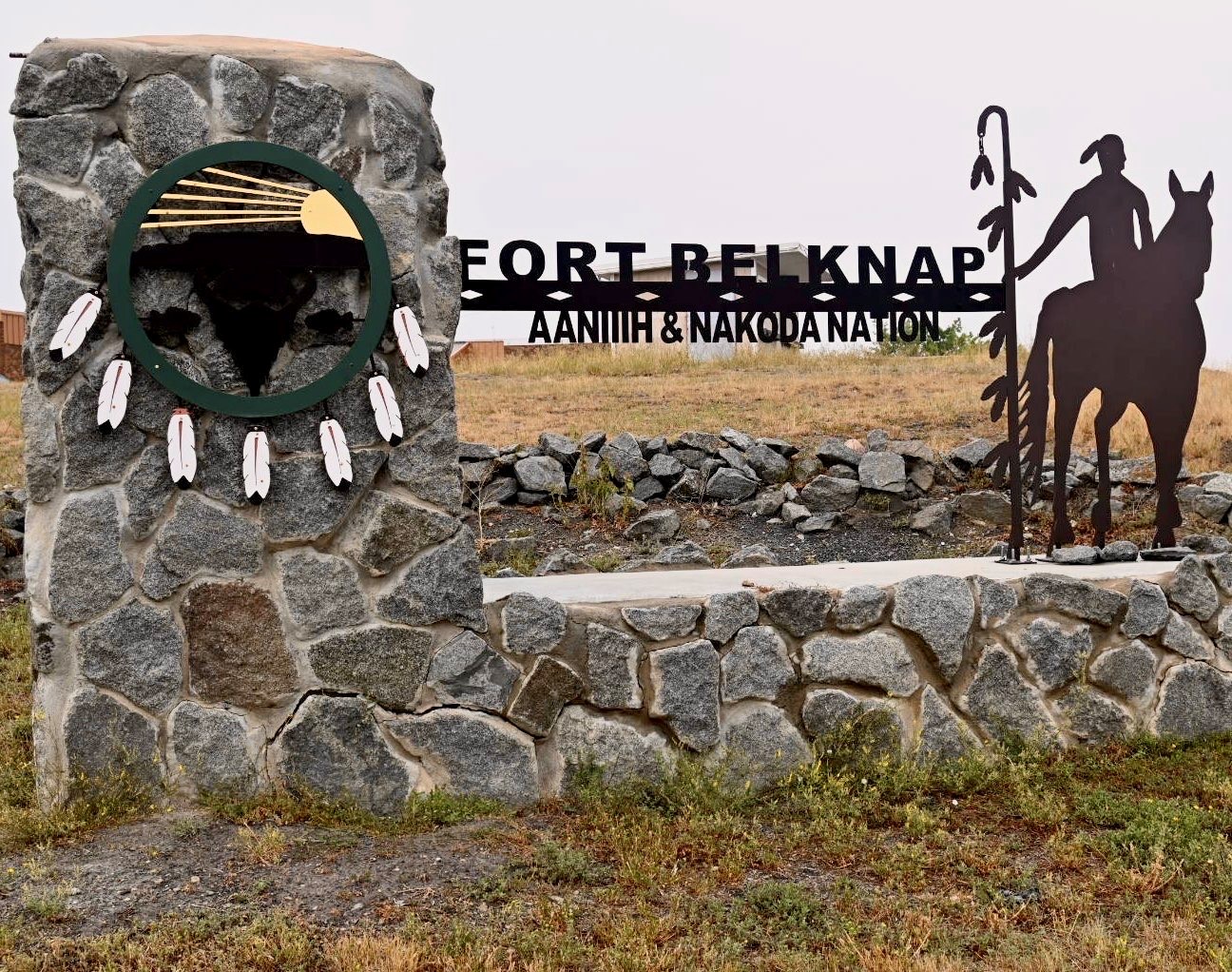
The Fort Belknap Indian Reservation, located in north-central Montana, is home to two distinct Native American tribes: the Aaniiih (White Clay People), also known as the Gros Ventre, and the Nakoda (Assiniboine). This vast and historically significant land holds a wealth of cultural heritage, resilience, and ongoing efforts towards self-determination. Understanding the Fort Belknap Indian Reservation requires delving into its history, exploring its cultural richness, and acknowledging the contemporary challenges and triumphs of its people.
History of the Fort Belknap Indian Reservation
The story of Fort Belknap is intertwined with the complex history of westward expansion, government policies, and the struggle for Native American rights. To fully appreciate its present, it’s crucial to understand its past.
Early History and Tribal Nations
Before the arrival of European settlers, the Aaniiih and Nakoda tribes thrived in the Northern Plains. The Aaniiih, known for their unique sign language and buffalo hunting skills, traditionally occupied lands stretching across present-day Montana and Saskatchewan. The Nakoda, closely related to the Lakota and Dakota, were also skilled hunters and horsemen, with a vast territory extending throughout the region.
Establishment of Fort Belknap
Fort Belknap was originally established in 1855 as a fur trading post by the Northwest Fur Company. It was strategically located near the Milk River and quickly became a vital trading center for various tribes in the area. The fort facilitated trade between Native Americans and settlers, but it also marked the beginning of increasing encroachment on tribal lands.
The Fort Laramie Treaty of 1851
The Fort Laramie Treaty of 1851 was intended to establish peace and define tribal territories. However, the treaty was often violated by the U.S. government and settlers, leading to increased conflict and displacement of Native American tribes, including the Aaniiih and Nakoda.
Creation of the Reservation
In 1888, the U.S. government officially established the Fort Belknap Indian Reservation. This marked a significant turning point for the Aaniiih and Nakoda people, as they were confined to a much smaller area than their traditional territories. The establishment of the reservation was a direct result of pressure from settlers and the government’s desire to control Native American populations and resources.
Challenges and Hardships
The early years of the reservation era were marked by hardship and struggle. The Aaniiih and Nakoda faced poverty, disease, and the suppression of their traditional cultures. Government policies aimed at assimilation further eroded their way of life, with forced attendance at boarding schools where Native languages and customs were forbidden.
Culture and Traditions
Despite the challenges of the past, the Aaniiih and Nakoda people have persevered in preserving their unique cultures and traditions. These traditions are deeply rooted in their connection to the land, their spiritual beliefs, and their community bonds.
Language Preservation
Both the Aaniiih and Nakoda languages are critically endangered. The Fort Belknap community is actively involved in language revitalization programs to ensure that these languages are passed on to future generations. These programs include language immersion schools, cultural camps, and community-based language classes.
Spiritual Beliefs and Practices
Traditional spiritual beliefs play a central role in the lives of the Aaniiih and Nakoda people. These beliefs are centered around a deep respect for nature, the interconnectedness of all living things, and the power of prayer and ceremony. Sweat lodges, pipe ceremonies, and sun dances are important spiritual practices that continue to be observed.
Arts and Crafts
The Aaniiih and Nakoda are renowned for their artistic skills and craftsmanship. Traditional arts such as beadwork, quillwork, and leatherwork are still practiced today, with artisans creating beautiful and intricate designs that reflect their cultural heritage. These arts are not only a form of creative expression but also a way to preserve and transmit cultural knowledge.
Oral Traditions and Storytelling
Oral traditions and storytelling are essential components of Aaniiih and Nakoda culture. Stories are used to pass on history, teach moral lessons, and entertain. Elders play a vital role in preserving and sharing these stories, ensuring that they are not forgotten.
Powwows and Celebrations
Powwows are vibrant celebrations of Native American culture that bring together people from different tribes and communities. The Fort Belknap Indian Reservation hosts annual powwows that feature traditional dancing, singing, drumming, and regalia. These events are a powerful expression of cultural pride and a way to strengthen community bonds.
Contemporary Life on the Fort Belknap Indian Reservation
Life on the Fort Belknap Indian Reservation today is a blend of traditional values and modern challenges. The community is working hard to address social and economic issues while preserving its cultural heritage.
Governance and Tribal Government
The Fort Belknap Indian Community is governed by a tribal council, which is responsible for making decisions about the reservation’s affairs. The tribal government works to promote the well-being of its members, manage resources, and protect tribal sovereignty.
Economic Development
Economic development is a major priority for the Fort Belknap Indian Community. The reservation has a variety of businesses, including agriculture, tourism, and natural resource development. The tribal government is also working to attract new businesses and create jobs for its members.
Education and Healthcare
Education and healthcare are essential services provided to members of the Fort Belknap Indian Community. The reservation has its own schools and healthcare facilities, and the tribal government is working to improve access to these services. There’s a strong emphasis on culturally relevant education that incorporates Native languages and traditions.
Addressing Social Issues
Like many Native American communities, the Fort Belknap Indian Reservation faces a number of social challenges, including poverty, unemployment, and substance abuse. The tribal government and community organizations are working to address these issues through a variety of programs and initiatives.
Environmental Stewardship
The Fort Belknap Indian Community is committed to protecting its natural resources and promoting environmental stewardship. The reservation has a variety of environmental programs, including water quality monitoring, wildlife management, and land restoration. The community recognizes the importance of preserving the land for future generations.
Visiting the Fort Belknap Indian Reservation
Visitors are welcome to experience the beauty and culture of the Fort Belknap Indian Reservation. However, it is important to be respectful of the community and its traditions. Contact the tribal government for information about visiting the reservation and attending cultural events.
Respecting Tribal Sovereignty
When visiting the Fort Belknap Indian Reservation, it is crucial to respect tribal sovereignty and follow tribal laws. Remember that you are a guest on their land, and it is important to be mindful of their customs and traditions.
Attending Cultural Events
Attending cultural events such as powwows is a great way to experience the vibrancy of Aaniiih and Nakoda culture. Be sure to check the tribal calendar for upcoming events and follow any guidelines for visitors.
Supporting Local Businesses
Supporting local businesses on the Fort Belknap Indian Reservation is a way to contribute to the community’s economic well-being. Consider purchasing Native American crafts or dining at local restaurants.
Frequently Asked Questions (People Also Ask)
What tribes are located on the Fort Belknap Indian Reservation?
The Fort Belknap Indian Reservation is home to the Aaniiih (Gros Ventre) and Nakoda (Assiniboine) tribes.
The reservation is located in north-central Montana, near the town of Harlem.
How can I learn more about the Aaniiih and Nakoda cultures?
You can learn more by visiting the reservation, attending cultural events, reading books and articles, and contacting the tribal government.
What are some of the challenges facing the Fort Belknap Indian Community?
Some of the challenges include poverty, unemployment, substance abuse, and the preservation of their languages and cultures.
How is the Fort Belknap Indian Community working to address these challenges?
The tribal government and community organizations are working to address these issues through a variety of programs and initiatives, including economic development, education, healthcare, and cultural preservation.
Conclusion
The Fort Belknap Indian Reservation is a place of rich history, vibrant culture, and resilient people. By understanding its past, appreciating its present, and supporting its future, we can all contribute to a more just and equitable world for the Aaniiih and Nakoda nations. The Fort Belknap Indian Reservation stands as a testament to the enduring strength and cultural richness of Native American communities in the face of adversity. Preserving their heritage and supporting their self-determination are crucial steps towards a future of respect and understanding.
- The Fort Belknap Indian Reservation is home to the Aaniiih (Gros Ventre) and Nakoda (Assiniboine) tribes.
- It was established in 1888 after centuries of conflict and displacement.
- The community actively works to preserve its languages, traditions, and cultural heritage.
- Economic development, education, and healthcare are key priorities for the tribal government.
- Visitors are welcome but must respect tribal sovereignty and traditions.


