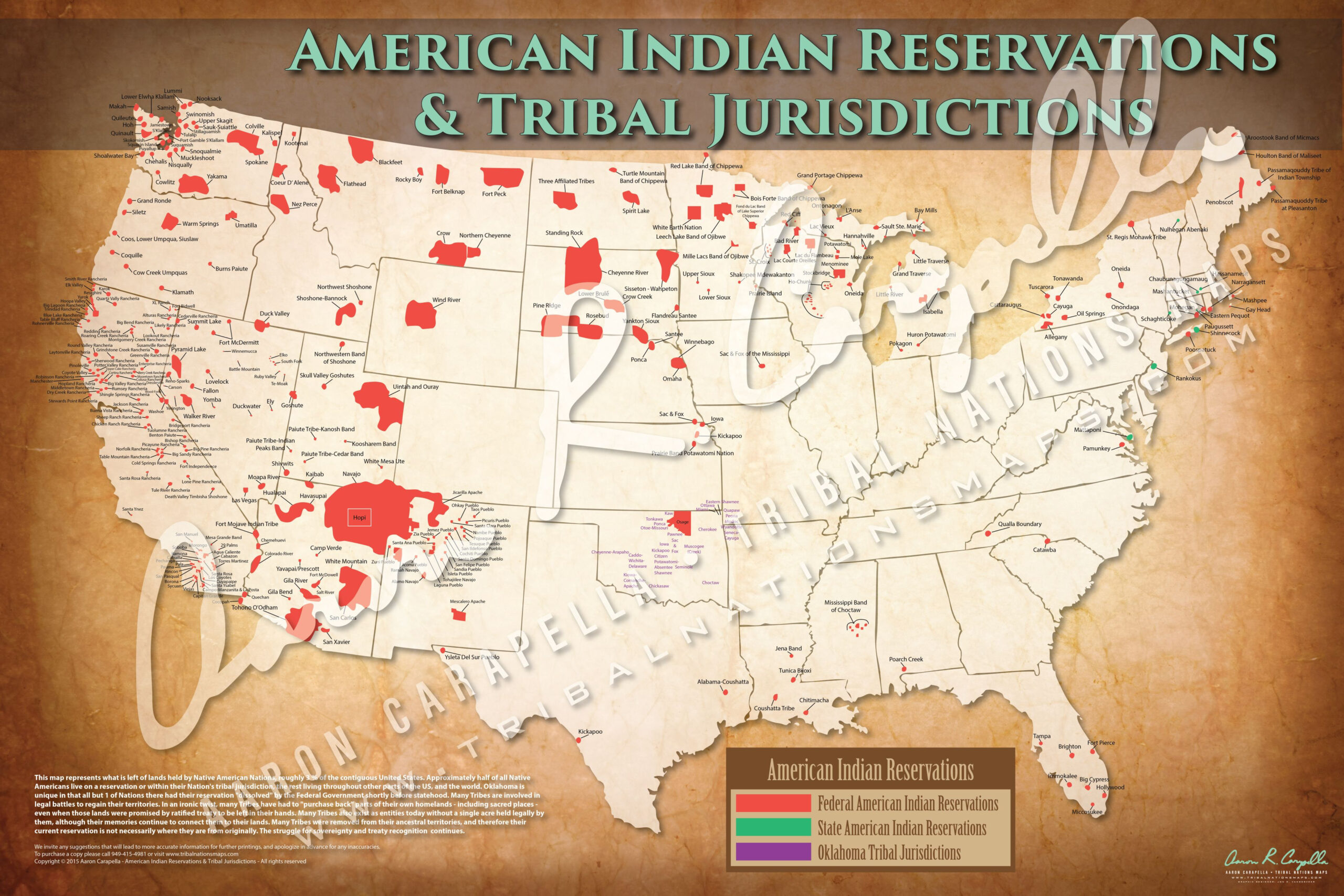

Federal-tribal consultation is a cornerstone of the relationship between the United States government and Native American tribes. It’s a process rooted in the recognition of tribal sovereignty and the government’s trust responsibility. But what exactly does it entail, and why is it so important? This comprehensive guide will delve into the complexities of federal-tribal consultation, exploring its legal foundations, practical applications, and the challenges it faces in the 21st century. We’ll examine how it impacts Indian reservations and the lives of tribal members, answering key questions and providing a clear understanding of this vital process.
At its core, federal-tribal consultation is a structured communication and collaboration process. It requires federal agencies to engage with tribal governments before taking actions or making decisions that could affect tribal interests. This isn’t merely a courtesy; it’s a legally mandated obligation, designed to ensure that tribal perspectives are considered and respected in federal decision-making.
Understanding the history and legal basis of federal-tribal consultation is crucial for appreciating its significance. The relationship between the U.S. government and Native American tribes has evolved significantly over time, marked by periods of conflict, assimilation policies, and, more recently, a growing emphasis on self-determination and tribal sovereignty.
The modern era of federal-tribal relations is largely shaped by landmark legislation and court decisions that affirm tribal rights and the government’s trust responsibility. Key pieces of legislation include the Indian Self-Determination and Education Assistance Act of 1975 and the Tribal Self-Governance Act of 1994. These laws empower tribes to assume greater control over federal programs and services, fostering self-governance and reducing federal paternalism.
Executive Orders have also played a vital role in solidifying the consultation process. Executive Order 13175, issued in 2000, specifically directs federal agencies to consult with tribal governments on policies that have tribal implications. This order provides a framework for consultation, emphasizing the importance of government-to-government relations and respect for tribal sovereignty.
The legal basis for consultation also stems from the inherent sovereignty of Native American tribes. Tribal sovereignty predates the U.S. Constitution and is recognized in treaties, statutes, and court decisions. This inherent sovereignty grants tribes the right to govern themselves, define their membership, and manage their resources. Federal-tribal consultation is, therefore, a mechanism for respecting and upholding this inherent sovereignty.
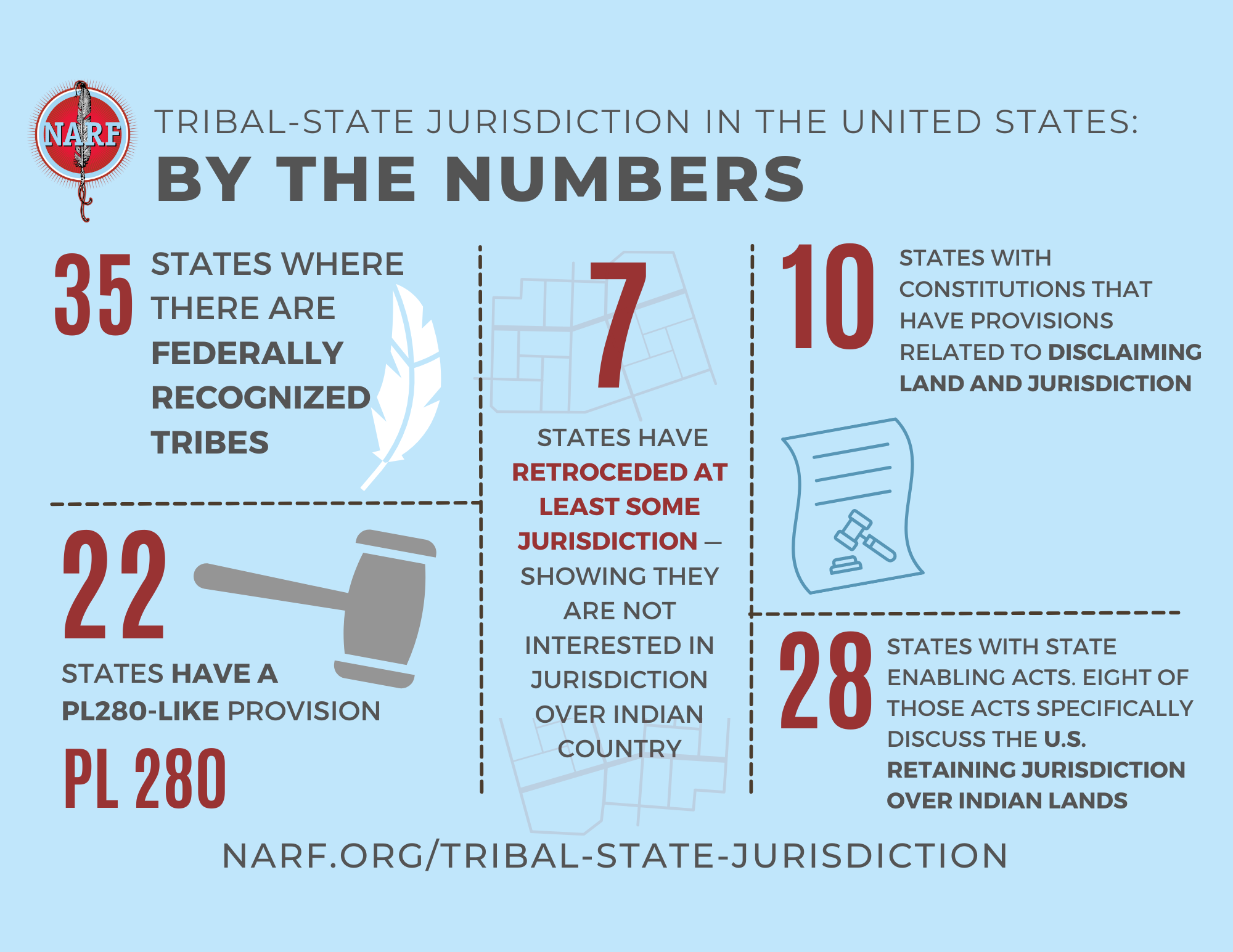

What does "government-to-government" relationship mean in the context of federal-tribal relations? It signifies that the U.S. government recognizes tribal governments as distinct, sovereign entities with the right to self-governance. This principle dictates that federal agencies must interact with tribal governments on a nation-to-nation basis, respecting their sovereignty and engaging in meaningful consultation on matters that affect them.
- Environmental Regulations: Federal agencies must consult with tribes on environmental regulations that could affect tribal lands, resources, or cultural sites. This includes issues such as air and water quality, hazardous waste management, and protection of endangered species.
- Economic Development: Consultation is required on federal policies and programs related to economic development in tribal communities. This can include issues such as infrastructure development, business opportunities, and job creation.
- Healthcare: Federal agencies must consult with tribes on healthcare policies and programs that affect tribal members. This includes issues such as access to healthcare services, funding for tribal health programs, and management of Indian Health Service facilities.
- Education: Consultation is required on federal education policies and programs that affect tribal students. This can include issues such as funding for tribal schools, curriculum development, and teacher training.
- Cultural Resources: Federal agencies must consult with tribes on actions that could affect tribal cultural resources, such as archaeological sites, sacred sites, and traditional cultural properties. This includes compliance with laws such as the National Historic Preservation Act and the Native American Graves Protection and Repatriation Act (NAGPRA).
- Notification: Federal agencies must notify tribal governments of proposed actions or decisions that could affect them. This notification should be timely and provide sufficient information for tribes to understand the potential impacts.
- Information Sharing: Agencies must share relevant information with tribes, including data, analysis, and potential alternatives. Tribes should have the opportunity to review and comment on this information.
- Dialogue: Agencies must engage in meaningful dialogue with tribal governments, providing opportunities for tribal leaders and representatives to express their views and concerns. This dialogue should be conducted in a respectful and collaborative manner.
- Consideration: Agencies must carefully consider tribal input in their decision-making process. While agencies are not always required to adopt tribal recommendations, they must demonstrate that they have given due consideration to tribal perspectives.
- Documentation: Agencies should document the consultation process, including the issues discussed, the input received from tribes, and how that input was considered in the final decision.
- Building Relationships: Investing in long-term relationships with tribal governments, fostering trust and mutual understanding.
- Providing Training: Ensuring that agency staff are trained on tribal sovereignty, cultural sensitivity, and the consultation process.
- Allocating Resources: Dedicating sufficient resources to support consultation activities, including travel, translation services, and technical assistance.
- Being Flexible: Adapting consultation processes to meet the unique needs and circumstances of individual tribes.
- Developing Capacity: Building internal capacity to effectively participate in the consultation process, including staff expertise and resources.
- Establishing Protocols: Developing clear protocols for engaging with federal agencies, ensuring that tribal perspectives are represented effectively.
- Communicating Priorities: Clearly communicating tribal priorities and concerns to federal agencies.
- Holding Agencies Accountable: Monitoring agency compliance with consultation requirements and holding them accountable for fulfilling their obligations.
Despite the legal mandates and best practices, federal-tribal consultation often faces significant challenges. These challenges can undermine the effectiveness of the process and lead to frustration for both federal agencies and tribal governments.
One common challenge is the lack of adequate resources. Federal agencies often lack the staff, funding, and expertise needed to conduct meaningful consultation with tribes. This can result in rushed consultations, inadequate information sharing, and a failure to fully consider tribal perspectives. Similarly, tribal governments often lack the resources to effectively participate in the consultation process, limiting their ability to review documents, attend meetings, and advocate for their interests.
Another challenge is the lack of trust. The history of federal-tribal relations is marked by broken treaties, forced assimilation, and other injustices. This history has created a deep-seated mistrust between tribes and the federal government, making it difficult to build the relationships necessary for effective consultation. Overcoming this mistrust requires a sustained commitment from both sides to transparency, accountability, and mutual respect.
Differing priorities can also hinder the consultation process. Federal agencies and tribal governments often have different priorities and goals, which can lead to conflict and disagreement. For example, an agency may prioritize economic development, while a tribe may prioritize environmental protection. Resolving these conflicts requires open communication, creative problem-solving, and a willingness to compromise.


The impact of federal-tribal consultation on Indian reservations is profound. When consultation is conducted effectively, it can lead to better informed decisions that protect tribal interests, promote tribal self-determination, and improve the lives of tribal members. For example, effective consultation can help to ensure that federal projects are designed in a way that minimizes environmental impacts on tribal lands, protects cultural resources, and provides economic benefits to tribal communities.
Conversely, when consultation is inadequate or ignored, it can have devastating consequences. Federal actions taken without proper consultation can harm tribal resources, disrupt tribal communities, and undermine tribal sovereignty. This can lead to legal challenges, political protests, and a breakdown in relations between tribes and the federal government.
- Strengthening Legal Frameworks: Congress could strengthen the legal framework for consultation by enacting legislation that clarifies agency obligations and provides for greater tribal input into decision-making.
- Increasing Resources: Federal agencies could increase resources for consultation activities, ensuring that they have the staff, funding, and expertise needed to conduct meaningful consultations.
- Improving Training: Federal agencies and tribal governments could provide training on consultation best practices, cultural sensitivity, and tribal sovereignty.
- Fostering Collaboration: Federal agencies and tribal governments could work together to develop innovative approaches to consultation, such as joint planning processes and collaborative decision-making models.
Federal-tribal consultation is not just a legal requirement; it’s a moral imperative. It’s a recognition of the inherent sovereignty of Native American tribes and the government’s trust responsibility to protect their interests. By engaging in meaningful consultation, the federal government can build stronger relationships with tribes, promote tribal self-determination, and create a more just and equitable society.
In conclusion, federal-tribal consultation is a complex but crucial process for ensuring that tribal voices are heard in federal decision-making. While challenges remain, ongoing efforts to strengthen the process hold the promise of fostering a more respectful and productive relationship between the U.S. government and Native American tribes. Effective consultation is essential for upholding tribal sovereignty, protecting tribal resources, and promoting the well-being of tribal communities.
- Federal-tribal consultation is a legally mandated process requiring federal agencies to consult with tribal governments on actions that affect them.
- The process is rooted in the recognition of tribal sovereignty and the federal government’s trust responsibility.
- Effective consultation requires commitment from both federal agencies and tribal governments, including building relationships, providing training, and allocating resources.
- Challenges such as lack of resources, mistrust, and differing priorities can hinder the consultation process.
- Strengthening legal frameworks, increasing resources, and fostering collaboration can improve the effectiveness of consultation.