

The Eskimo drum, a powerful symbol of cultural identity and spiritual connection, holds a central place in the traditions of Inuit and Yupik peoples across the Arctic. More than just a musical instrument, the drum serves as a storyteller, a prayer, and a link to ancestral knowledge. Understanding the art of traditional Eskimo drum making provides a profound glimpse into the history, beliefs, and resilience of these communities.
This comprehensive guide explores the intricate process of crafting these drums, from the selection of materials to the spiritual significance imbued within each beat. We will delve into the history, techniques, and cultural context surrounding this ancient practice.
History and Cultural Significance
Eskimo drums, also known as qilaat in some regions, have been used for centuries in ceremonies, celebrations, and storytelling. The drum’s rhythmic pulse is believed to connect the physical and spiritual realms, facilitating communication with ancestors and the spirit world. Traditionally, drums were not merely instruments but sacred objects, treated with respect and reverence.
The use of drums varies among different Eskimo groups. In some communities, drums are primarily used by shamans for healing rituals and divination. In others, they are integral to communal dances and celebrations, marking important events in the seasonal cycle. Regardless of the specific context, the drum serves as a unifying force, bringing people together through shared rhythm and song.
Materials: Sourcing and Preparation
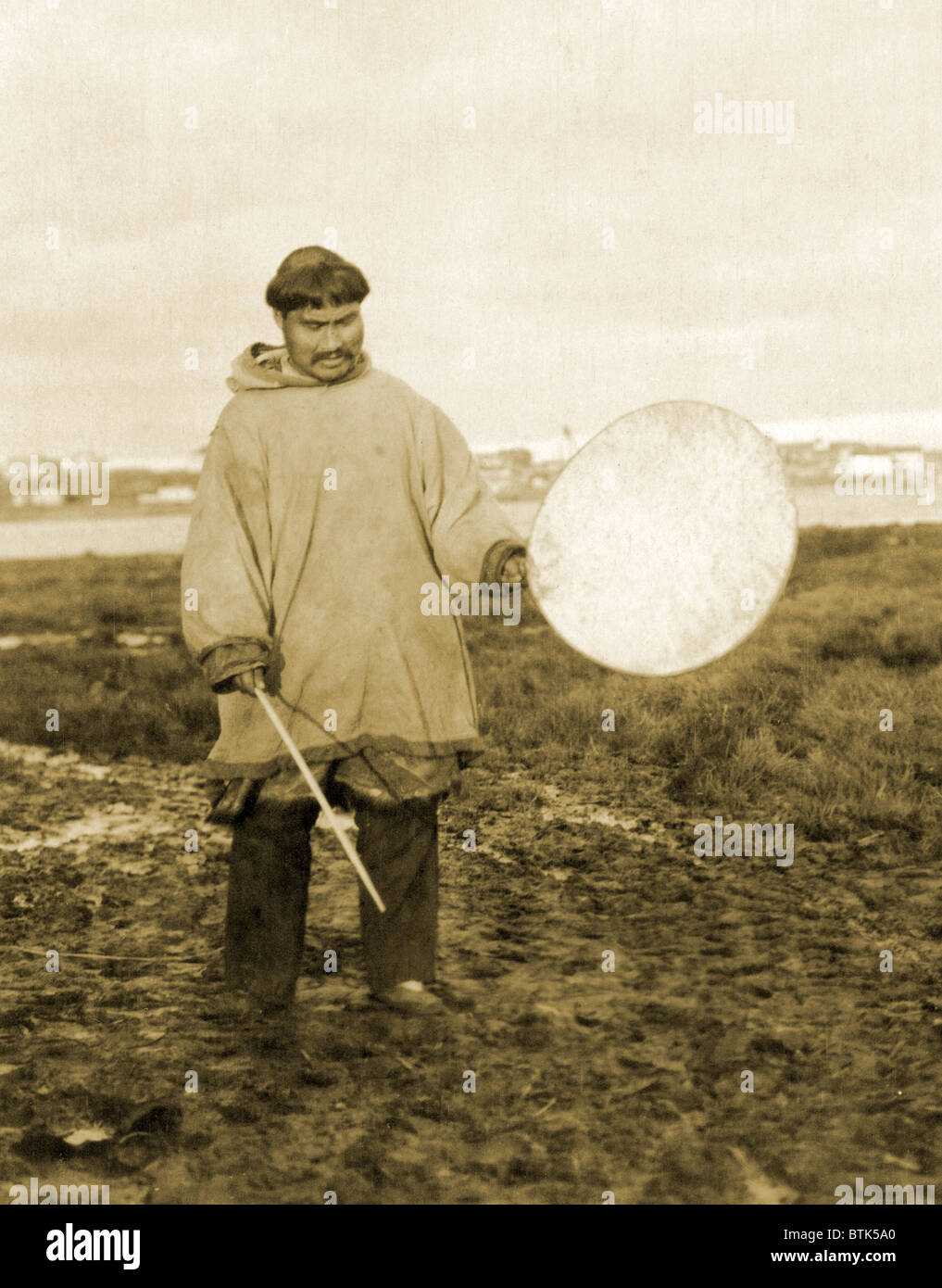

- Drum Frame: Typically made from driftwood, whalebone, or bent wood. The choice of material depends on availability and the size of the drum.
- Drumhead: Traditionally crafted from animal membranes, such as walrus stomach lining, seal hide, or caribou skin. These materials are chosen for their strength, flexibility, and resonant qualities.
- Handle: Usually made from wood or bone, the handle provides a secure grip for the drummer and is often adorned with carvings or decorative elements.
- Lashing: Sinew or rawhide strips are used to secure the drumhead to the frame, creating a tight and durable connection.
The preparation of these materials is a labor-intensive process that requires specialized knowledge and skill. Animal hides must be carefully cleaned, stretched, and dried to achieve the desired thickness and elasticity. Wood must be seasoned to prevent warping or cracking. Every step is performed with meticulous attention to detail, ensuring the quality and longevity of the finished drum.
Tools and Techniques
- Ulus: A traditional semi-lunar knife used for cutting and scraping hides.
- Drills: Used to create holes in the frame for lashing.
- Needles: For sewing and reinforcing the drumhead.
- Adzes: For shaping and smoothing the wooden frame.
- Frame Construction: The wooden or bone frame is carefully shaped and joined to form a circular or oval rim.
- Drumhead Preparation: The animal membrane is stretched and secured over the frame, using sinew or rawhide lashing. The tension of the drumhead is carefully adjusted to achieve the desired pitch and tone.
- Handle Attachment: The handle is securely attached to the frame, providing a comfortable and balanced grip for the drummer.
- Decoration: Many drums are adorned with intricate carvings, paintings, or other decorative elements that reflect the maker’s personal style or the drum’s intended use.
The Spiritual Significance of Drum Making
For many Eskimo communities, drum making is not merely a craft but a sacred act imbued with spiritual significance. The process is often accompanied by prayers, songs, and rituals intended to honor the spirits of the animals and the land. The drum itself is seen as a living entity, possessing its own spirit and energy.
Drum makers often receive guidance from elders or spiritual leaders, who impart knowledge of traditional techniques and the spiritual protocols associated with drum making. The act of creating a drum is seen as a way to connect with ancestral wisdom and to maintain the cultural heritage of the community.
Variations in Drum Styles


- Frame Drum: The most common type of Eskimo drum, characterized by a circular or oval frame and a single drumhead.
- Kettle Drum: A less common type of drum, featuring a bowl-shaped body and a drumhead made from animal membrane.
- Double-Headed Drum: Found in some regions, this type of drum features two drumheads, one on each side of the frame.
In addition to variations in drum design, there are also regional differences in drumming techniques and musical styles. Some communities emphasize rhythmic complexity and improvisation, while others focus on traditional songs and dances.
The Role of Drums in Inuit Ceremonies
- Celebrating successful hunts: Drums celebrate the bounty of the land and sea, honoring the animals that provide sustenance.
- Marking seasonal changes: Drums welcome the return of the sun or the arrival of migrating animals, acknowledging the cyclical nature of life.
- Healing the sick: Shamans use drums to enter altered states of consciousness, seeking guidance from the spirit world to heal physical and emotional ailments.
- Connecting with ancestors: Drums facilitate communication with deceased relatives, seeking their wisdom and guidance.
The drum’s rhythmic pulse creates a powerful sense of community, uniting participants in a shared experience of joy, sorrow, and reverence.
Preserving Traditional Drum Making
In recent years, there has been a growing effort to preserve and revitalize traditional Eskimo drum making. Cultural organizations, museums, and community groups are working to document traditional techniques, train new generations of drum makers, and promote the cultural significance of the drum.
By supporting these initiatives, we can help ensure that this ancient art form continues to thrive, enriching the lives of future generations and preserving a vital part of Eskimo cultural heritage.
Where to See and Hear Eskimo Drums
- Cultural festivals: Many Arctic communities host cultural festivals that feature traditional drumming and dancing performances.
- Museums: Museums with collections of Eskimo art and artifacts often display traditional drums and provide information about their cultural significance.
- Community events: Local community events, such as potlatches or celebrations, may include drumming performances.
Attending these events provides a unique opportunity to connect with Eskimo culture and to appreciate the artistry and spiritual power of the drum.
Common Questions About Eskimo Drums (People Also Ask)
What are Eskimo drums made of?
Eskimo drums are traditionally made from natural materials sourced from the Arctic environment, including driftwood or whalebone for the frame and animal membranes (such as walrus stomach lining or seal hide) for the drumhead.
How are Eskimo drums played?
Eskimo drums are typically played with a beater made from wood or bone. The drummer strikes the rim of the drum, rather than the center of the drumhead, producing a deep, resonant tone.
What is the significance of Eskimo drums?
Eskimo drums hold deep cultural and spiritual significance, serving as a means of connecting with ancestors, communicating with the spirit world, and celebrating important events in the community.
Are Eskimo drums still made today?
Yes, traditional Eskimo drum making is still practiced in many Arctic communities, with efforts underway to preserve and revitalize this ancient art form.
How can I learn more about Eskimo drums?
You can learn more about Eskimo drums by visiting museums with collections of Eskimo art, attending cultural festivals in Arctic communities, or researching online resources and publications.
Conclusion: The Enduring Legacy of the Eskimo Drum
The traditional Eskimo drum is more than just a musical instrument; it is a powerful symbol of cultural identity, spiritual connection, and resilience. By understanding the history, materials, techniques, and significance of these drums, we can gain a deeper appreciation for the rich cultural heritage of Inuit and Yupik peoples. As we celebrate and support the preservation of this ancient art form, we ensure that its vibrant echoes will continue to resonate for generations to come.
The drum connects communities, bridging the gap between the physical and spiritual realms. Its rhythmic pulse serves as a constant reminder of the enduring strength and cultural richness of the Eskimo people.


