

Eskimo art, encompassing the artistic traditions of the Inuit and Yupik peoples, offers a profound window into Arctic life, spirituality, and resilience. From intricate carvings in ivory and bone to vibrant prints and textiles, these art forms tell stories of survival, mythology, and deep connection to the land. Exploring Eskimo art galleries and exhibitions provides an unparalleled opportunity to appreciate the skill, creativity, and cultural significance embedded in these works.
This guide serves as your comprehensive introduction to the world of Eskimo art, highlighting key galleries, notable exhibitions, and the cultural context that shapes these remarkable artistic expressions. Whether you’re a seasoned art collector or a curious newcomer, prepare to be captivated by the beauty and power of Eskimo art.
Understanding Eskimo Art: A Cultural Tapestry
Before embarking on a gallery tour, it’s essential to understand the cultural underpinnings of Eskimo art. For centuries, the Inuit and Yupik peoples have used art as a means of communication, storytelling, and spiritual expression. Traditional art forms were often functional, serving practical purposes while also embodying cultural values and beliefs.
- Materials: Traditionally, Eskimo art utilized materials readily available in the Arctic environment, such as ivory, bone, stone, wood, and animal hides.
- Themes: Common themes include hunting, fishing, family life, shamanism, and interactions with the natural world.
- Symbolism: Many images and motifs carry symbolic meanings, reflecting the spiritual beliefs and cultural traditions of the Inuit and Yupik peoples.
- Adaptation and Innovation: While rooted in tradition, Eskimo art has also evolved over time, incorporating new materials, techniques, and artistic influences.
Navigating Eskimo Art Galleries: A Curated Selection
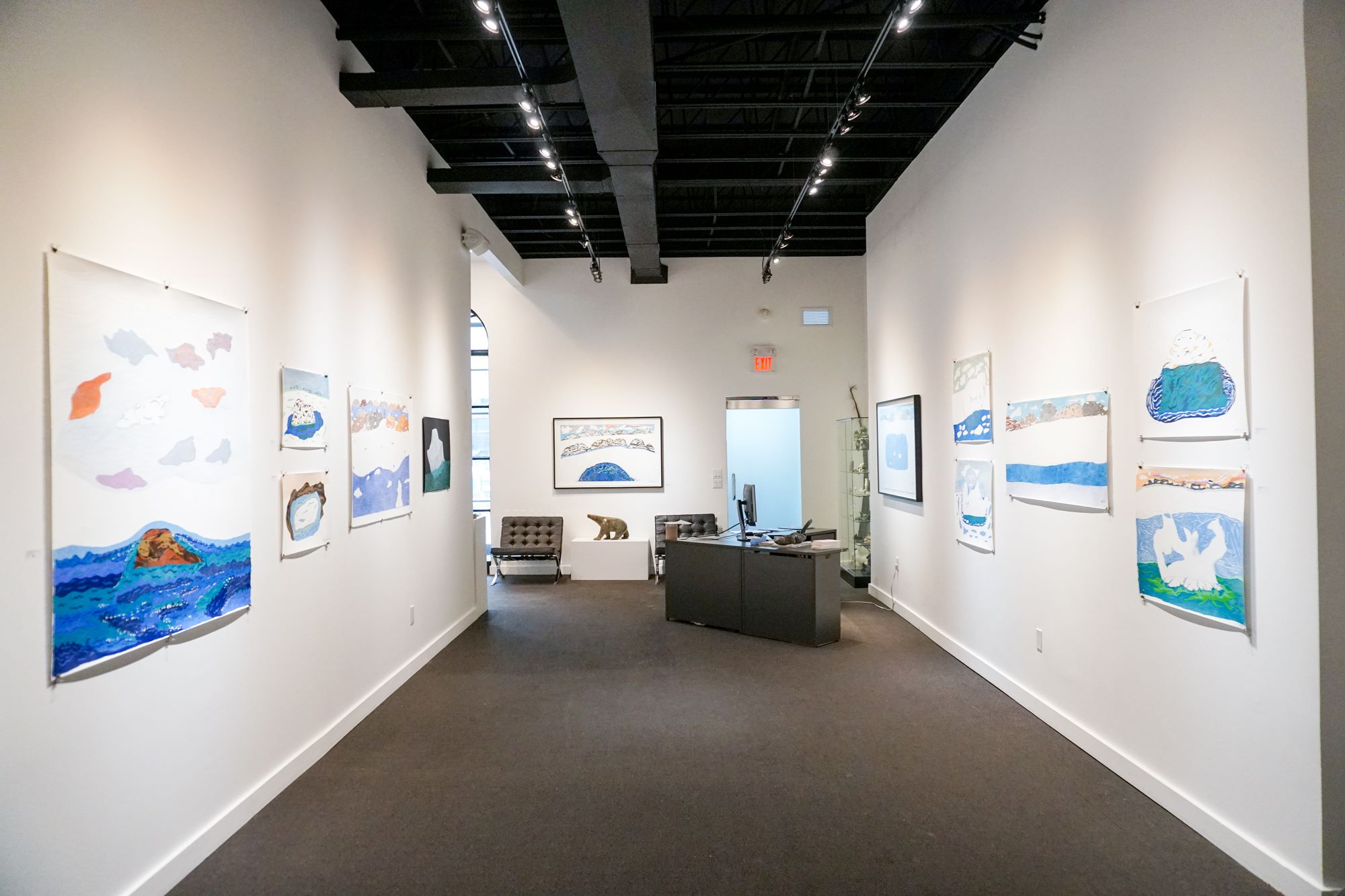
- The Inuit Gallery of Vancouver (British Columbia, Canada): This gallery features a wide range of Inuit art, including sculptures, prints, and textiles, with a focus on contemporary works.
- Arctic Art Prints (Online Gallery): While primarily an online gallery, Arctic Art Prints offers a vast selection of Inuit prints, drawings, and paintings, representing artists from across the Canadian Arctic.
- Image Gallery (Online Gallery): Another excellent online resource, Image Gallery showcases a diverse collection of Inuit art, including sculptures, prints, and jewelry.
- Museums with Significant Collections: Many museums across North America also house significant collections of Eskimo art, including the Smithsonian National Museum of Natural History (Washington, D.C.), the Peabody Museum of Archaeology and Ethnology (Harvard University), and the University of Alaska Museum of the North (Fairbanks).
- The National Museum of Denmark (Copenhagen): This museum boasts an extensive collection of Greenlandic Inuit art, reflecting Denmark’s historical ties to Greenland.
- The British Museum (London): The British Museum’s collection includes a variety of Eskimo artifacts and artworks, providing insights into the cultural history of the Arctic region.
Must-See Eskimo Art Exhibitions: A Global Perspective
In addition to permanent gallery collections, temporary exhibitions offer focused explorations of specific themes, artists, or art forms within the Eskimo art world. Keep an eye out for exhibitions at museums and galleries in your area or during your travels.
- Museum Websites: Regularly check the websites of museums with collections of Eskimo art for upcoming exhibitions.
- Art Publications: Read art magazines and online publications for reviews and announcements of Eskimo art exhibitions.
- Gallery Mailing Lists: Sign up for email newsletters from galleries that specialize in Eskimo art to receive updates on new exhibitions.
The Enduring Legacy of Eskimo Art: Preserving Cultural Heritage
Eskimo art plays a vital role in preserving and promoting the cultural heritage of the Inuit and Yupik peoples. By supporting Eskimo artists and galleries, we contribute to the continuation of these artistic traditions and the sharing of these stories with the world.
- Purchase Art Directly: Buy artwork directly from Inuit or Yupik artists or from reputable galleries that represent them.
- Attend Cultural Events: Participate in cultural events and festivals that showcase Eskimo art and culture.
- Educate Yourself: Learn more about the history, traditions, and artistic practices of the Inuit and Yupik peoples.
Delving Deeper: Exploring Specific Art Forms

Sculptures carved from ivory, bone, stone, and wood are among the most iconic forms of Eskimo art. These sculptures often depict animals, human figures, and mythological beings, reflecting the close relationship between the Inuit and Yupik peoples and their environment.
Printmaking has become an important art form in many Inuit communities, particularly in Canada. Inuit prints often depict scenes of traditional life, hunting, and mythology, using techniques such as stonecut, stencil, and lithography.
Textiles, including clothing, blankets, and wall hangings, are often adorned with intricate designs and patterns, reflecting the artistic skills and cultural traditions of the Inuit and Yupik peoples. Beadwork, embroidery, and appliqué are common techniques used in Eskimo textiles.
Masks play a central role in many Inuit and Yupik ceremonies and rituals. These masks are often elaborately decorated with feathers, fur, and paint, and they represent spirits, animals, or mythological figures.
Frequently Asked Questions (FAQs) About Eskimo Art
What is the difference between Inuit and Yupik art?
While both Inuit and Yupik art share common themes and materials, there are also distinct regional variations. Inuit art is generally associated with the Canadian Arctic, Greenland, and parts of Alaska, while Yupik art is primarily found in western and southwestern Alaska and parts of Russia. Yupik art often features more elaborate masks and ceremonial objects, while Inuit art is known for its stone carvings and prints.
Where can I buy authentic Eskimo art?
To ensure you are purchasing authentic Eskimo art, it is best to buy directly from Inuit or Yupik artists or from reputable galleries that specialize in Eskimo art. Look for galleries that are members of organizations such as the Inuit Art Foundation or the Canadian Guild of Crafts.
How can I tell if a piece of Eskimo art is authentic?
Authentic Eskimo art will typically be accompanied by documentation, such as a certificate of authenticity or a biography of the artist. You can also look for signs of traditional craftsmanship, such as hand-carved details and the use of natural materials. Be wary of pieces that are mass-produced or made with synthetic materials.
What are some of the most common themes in Eskimo art?
Common themes in Eskimo art include hunting, fishing, family life, shamanism, and interactions with the natural world. Many artworks also depict mythological beings and spiritual concepts.
How has Eskimo art changed over time?
While rooted in tradition, Eskimo art has also evolved over time, incorporating new materials, techniques, and artistic influences. Contemporary Eskimo artists often explore new themes and experiment with different styles, while still maintaining a connection to their cultural heritage.
Conclusion: Embracing the Arctic Aesthetic
Exploring Eskimo art galleries and exhibitions offers a rewarding journey into the heart of Arctic culture. From the intricate carvings of ivory and bone to the vibrant colors of Inuit prints, these artworks provide a powerful testament to the resilience, creativity, and spiritual depth of the Inuit and Yupik peoples. By supporting Eskimo artists and galleries, we can help ensure that these artistic traditions continue to thrive for generations to come. So, embark on your own Arctic art adventure and discover the captivating beauty of Eskimo art!
Whether you’re drawn to the intricate details of a walrus ivory carving, the vibrant storytelling in a stonecut print, or the powerful symbolism within a ceremonial mask, Eskimo art offers a profound connection to the Arctic world and its rich cultural heritage. Take the time to explore the galleries, attend the exhibitions, and immerse yourself in the captivating stories told through these remarkable works of art.


