
In the vast, challenging landscapes of the Arctic, where silence often reigns supreme and the elements demand constant vigilance, effective communication has always been paramount for survival and cultural continuity. For centuries, the indigenous peoples of the Arctic, broadly referred to as Eskimo (encompassing Inuit, Yup’ik, and other related groups), developed sophisticated and diverse methods to convey information, share knowledge, express emotions, and maintain social cohesion. These methods extend far beyond spoken language, encompassing a rich tapestry of oral traditions, non-verbal cues, symbolic art, and environmental markers.
Understanding these traditional communication practices offers invaluable insight into the ingenuity, resilience, and deep cultural heritage of these communities. It reveals how complex societies thrived in one of the planet’s most extreme environments, relying on intricate systems to transmit vital information across generations and vast distances.
The Linguistic Tapestry: Inuit-Yup’ik Language Family
At the core of Eskimo traditional communication lies a vibrant family of languages. The Inuit-Yup’ik language family is a testament to the distinct cultural identities across the Arctic. This family is primarily divided into two main branches: Inuit languages and Yup’ik languages, each with numerous dialects reflecting regional variations and historical migrations.
The Inuit languages, spoken across the northern parts of Alaska, Canada, and Greenland, include prominent dialects such as Inuktitut (Canada), Inupiaq (Alaska), and Kalaallisut (Greenlandic). These languages share a common linguistic ancestry and often feature polysynthetic structures, allowing complex ideas to be expressed in single, lengthy words. This linguistic efficiency is particularly well-suited for describing the intricate details of the Arctic environment and specialized activities like hunting.
The Yup’ik languages, primarily spoken in southwestern Alaska and parts of the Russian Far East, include Central Yup’ik, Alutiiq, and Siberian Yup’ik. While distinct from Inuit languages, they share many structural similarities and a profound connection to the land, sea, and animal life. Both Inuit and Yup’ik languages are deeply rooted in their respective environments, with extensive vocabularies for snow, ice, marine mammals, and hunting techniques, reflecting the intimate relationship between language and survival.
Oral Traditions: The Heartbeat of Cultural Transmission
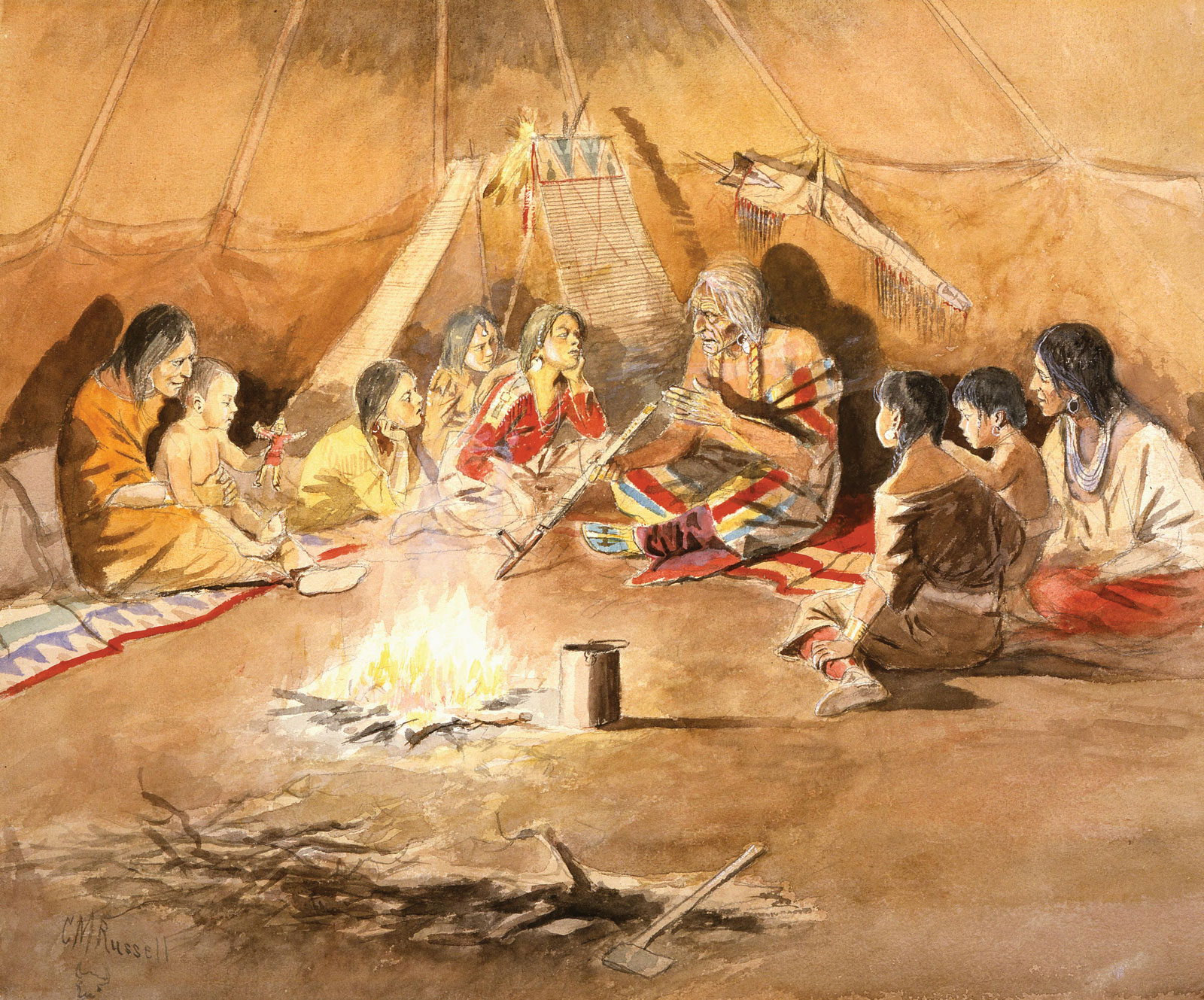
In societies without a written script (until relatively recent adaptations), oral tradition served as the primary vehicle for preserving history, transmitting knowledge, and reinforcing cultural values. Storytelling, or unikkaat in many Inuit dialects, was not merely entertainment; it was a critical educational tool.
Elders held a revered position as custodians of knowledge, imparting wisdom through captivating narratives. These stories encompassed myths, legends, personal experiences, hunting strategies, navigation techniques, and ethical guidelines. They taught younger generations about their ancestors, the spirits of the land and sea, the behavior of animals, and the consequences of actions, ensuring that vital information for survival and social harmony was passed down effectively.
Through repeated tellings and careful listening, oral traditions ensured the continuity of cultural identity and practical skills. The nuanced delivery, tone, and emphasis used by storytellers were as important as the words themselves, adding layers of meaning and emotional impact to the narratives.
Songs and Chants: Expressing Emotion and Community
Music and vocalizations formed another powerful dimension of Eskimo communication. Traditional songs were diverse, serving various purposes from lullabies and personal expressions to ceremonial chants and hunting calls. They were often improvised, reflecting immediate emotions or events, and could be deeply personal or communal.
Drum dancing, often performed with a handheld frame drum (qilaut), was a central feature of social gatherings and celebrations. It combined singing, drumming, and dancing to tell stories, honor ancestors, or celebrate successful hunts. These performances were not just entertainment; they were vital for community bonding, spiritual connection, and the collective expression of cultural identity.
One of the most distinctive forms of vocal communication is Inuit throat singing (katajjaq), traditionally practiced by two women. This unique vocal art involves producing guttural, rhythmic sounds by manipulating breath and vocal cords to create an astonishing range of harmonies and percussive effects. Often performed as a friendly competition or a game, throat singing is a powerful expression of cultural heritage, artistic skill, and connection to the Arctic soundscape.
Non-Verbal Cues: Communication Without Words
In environments where silence can be a virtue (e.g., during hunting) or where spoken words might be carried away by wind, non-verbal communication became highly refined. Body language, gestures, and facial expressions conveyed a wealth of information, often with subtle precision.
A slight nod, a specific hand gesture, or a particular stance could communicate agreement, disagreement, direction, or warning without uttering a sound. For instance, a quick raise of the eyebrows might signify ‘yes’ in some Inuit cultures, while a crinkling of the nose might mean ‘no.’ These subtle cues were understood implicitly within communities, reflecting a deep attunement to human interaction and environmental context.
During hunting expeditions, silent communication was crucial. Hunters would use precise hand signals or body movements to coordinate strategies, indicate the presence of game, or warn of danger, minimizing noise that could alert prey. This mastery of non-verbal dialogue highlights the adaptive genius of Arctic peoples.
Symbolic Communication: Art and Adornment
Artistic expression served as a potent form of symbolic communication, conveying beliefs, stories, and social status. Carvings, often made from ivory, bone, or stone, depicted animals, human figures, and mythological creatures. These pieces were not merely decorative; they often embodied spiritual meanings, historical events, or served as amulets and tools.
Traditional tattoos (kakiniit) were another significant form of symbolic communication, especially among Inuit women. Applied to faces, arms, and bodies, these intricate designs often marked significant life events, demonstrated spiritual connections, or indicated family lineage and community affiliation. Each pattern carried specific meanings, communicating identity and history without words.
Clothing and adornments also played a role. The design, materials, and decorations on traditional parkas (amauti) or boots could indicate a person’s region, marital status, or skill as a hunter or seamstress. These visual cues provided instant information within and between communities.
Environmental Communication: Navigating the Arctic
The Arctic environment itself was a canvas for communication. Indigenous peoples developed methods to leave messages for others navigating the vast, often featureless landscape.
Perhaps the most iconic example is the inuksuk (plural: inuksuit), stone structures built by Inuit across the Arctic. These human-made landmarks served various practical purposes: guiding travelers, marking good hunting or fishing spots, indicating caches of food, or signifying places of spiritual importance. An inuksuk could communicate ‘you are on the right path,’ ‘game is in this direction,’ or ‘shelter can be found here,’ providing vital information in a desolate environment.
Other environmental cues included carefully placed rocks, arrangements of branches, or even subtle disturbances in the snow, all understood by those with traditional knowledge. Reading the land, ice, and sky – interpreting cloud formations, ice conditions, and animal migratory patterns – was also a crucial form of ‘environmental communication,’ providing warnings or guidance for travel and hunting.
Inter-Community Exchange and Trade
While communities were often dispersed, inter-community communication was vital for trade, alliances, and cultural exchange. When linguistic barriers existed, shared sign languages or simplified vocabularies were employed. Trade routes, sometimes spanning vast distances, relied on established markers and an understanding of non-verbal cues to facilitate peaceful interactions.
Ceremonial exchanges and shared festivals also provided opportunities for different groups to interact, reinforce social bonds, and communicate cultural norms and innovations. These gatherings were crucial for the exchange of goods, ideas, and even marriage partners, fostering a broader network of communication across the Arctic.
Modern Challenges and Preservation Efforts
The arrival of European explorers, traders, and missionaries introduced new communication methods, including written languages and, later, modern technologies. However, these changes also brought significant challenges. Colonial policies, including residential schools, actively suppressed indigenous languages and traditional communication practices, leading to a decline in fluency among younger generations.
Today, many indigenous communities are engaged in vital language revitalization programs. Efforts include language immersion schools, cultural centers, and the development of educational resources in native languages. Technology, paradoxically, now plays a role in these efforts, with digital archives, online language courses, and social media platforms helping to document, share, and preserve traditional knowledge and languages.
The ability to adapt and integrate new forms of communication while safeguarding ancestral practices is a testament to the enduring strength and resilience of Eskimo cultures. The traditional methods, though evolving, continue to inform and enrich contemporary life, connecting past, present, and future generations.
The Enduring Legacy of Ingenuity
The traditional communication methods of the Eskimo peoples – encompassing Inuit, Yup’ik, and related groups – represent a profound testament to human adaptability and cultural richness. From the intricate grammar of their polysynthetic languages to the silent wisdom of an inuksuk, each method was finely tuned to the unique demands of the Arctic environment and the needs of close-knit communities.
These practices were not merely tools for conveying information; they were foundational to cultural identity, social cohesion, and the transmission of millennia of survival knowledge. They demonstrate a holistic approach to communication, where every gesture, every story, every song, and every stone carried significant meaning.
In conclusion, the ‘Eskimo traditional communication methods’ are a vibrant, dynamic, and incredibly sophisticated system. They underscore the deep connection between language, culture, and environment, offering powerful lessons in human ingenuity and the enduring power of shared understanding in the face of formidable challenges. Their preservation and celebration are vital for understanding the rich tapestry of human history and cultural diversity.


