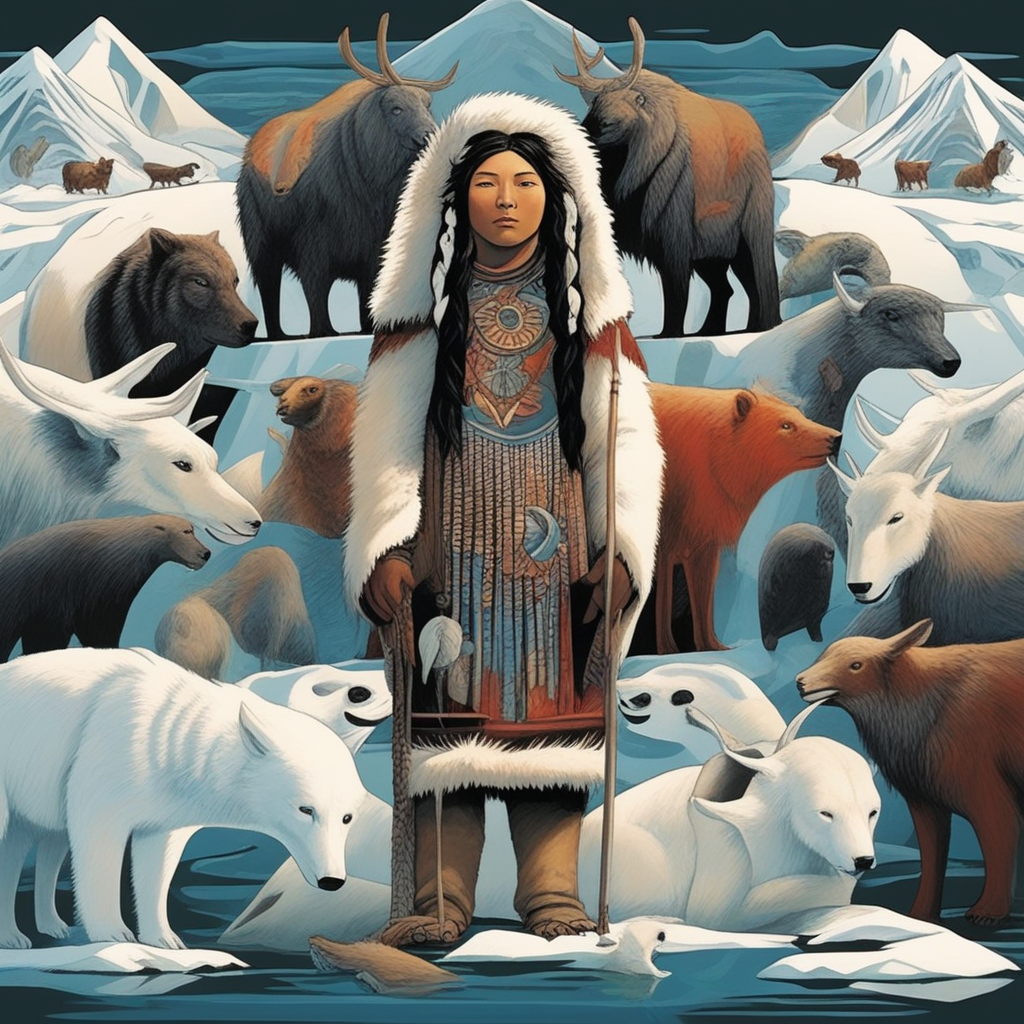

The vast, often unforgiving landscapes of the Arctic have shaped the cultures and spiritualities of its Indigenous inhabitants for millennia. For peoples traditionally referred to as ‘Eskimo’ – a term now largely considered outdated and often offensive, preferring instead specific terms like Inuit, Yup’ik, or Iñupiat – the relationship with animals is not merely about survival; it is a complex, deeply spiritual, and reciprocal bond.
When discussing ‘Eskimo traditional animal sacrifices,’ it’s crucial to approach the topic with sensitivity and a nuanced understanding. The concept of ‘sacrifice’ in an Indigenous Arctic context differs significantly from the Abrahamic or classical Western interpretations involving ritualistic offerings to deities to appease or atone. Instead, it speaks to a profound respect, gratitude, and a spiritual contract between humans and the animal world.
This comprehensive article aims to illuminate the intricate spiritual worldview that underpins these practices, focusing on the reverence, respect, and sustainable relationship that Indigenous Arctic Peoples have maintained with the animals essential to their existence. We will explore the historical context, the spiritual beliefs, and the practical expressions of this unique cultural heritage.
Understanding the Terminology: ‘Eskimo’ vs. Indigenous Arctic Peoples
Before delving deeper, it’s important to address the term ‘Eskimo.’ Originating from an Algonquian word meaning ‘eater of raw meat,’ it was widely adopted by European explorers but is now largely considered pejorative by many Indigenous groups in the Arctic. Preferred terms include Inuit (spanning Canada and Greenland), Yup’ik (Alaska and Siberia), and Iñupiat (Northern Alaska), among others. For the purpose of addressing the initial search query, we acknowledge the historical use of ‘Eskimo’ while primarily using more accurate and respectful terminology.
The Animistic Worldview: Interconnectedness of All Life


Central to the traditional beliefs of Indigenous Arctic Peoples is an animistic worldview. This perspective holds that all living things – animals, plants, and even inanimate objects like rocks and mountains – possess a spirit or soul (often referred to as anirniq in some Inuit dialects). This belief fosters a deep sense of interconnectedness and a profound respect for the spiritual essence of everything in their environment.
In this worldview, animals are not merely resources but sentient beings with their own consciousness, intentions, and spirits. They are seen as gifts from the spiritual realm, voluntarily offering themselves to hunters who demonstrate respect and adhere to traditional protocols.
Subsistence Hunting as a Spiritual Act
For millennia, hunting has been the cornerstone of life in the Arctic. Animals like seals, caribou, whales, fish, and birds provided not only food but also materials for clothing, shelter, tools, and fuel. This dependence elevated hunting from a mere survival activity to a highly ritualized and spiritual endeavor.
Every hunt was undertaken with careful preparation, respect for the animal, and an understanding of the spiritual consequences. The success of a hunt was often attributed not just to skill, but to the hunter’s spiritual purity, adherence to customs, and the animal’s willingness to be taken.
The Concept of ‘Sacrifice’ – A Nuanced Perspective
When people refer to ‘Eskimo traditional animal sacrifices,’ they are often misinterpreting a complex system of spiritual reciprocity. There wasn’t a practice of sacrificing animals to angry gods in the way some ancient civilizations did. Instead, the ‘sacrifice’ was on the part of the animal, which, through its spirit, chose to offer itself to a deserving hunter.
The human role was to honor this gift through rigorous respect, proper handling of the animal’s body, and specific rituals designed to ensure the animal’s spirit was content and would return in another form, thus ensuring future abundance. This was a cycle of giving and receiving, maintained by spiritual etiquette.
Rituals of Respect and Gratitude


- Offerings: Often, a freshly killed seal or whale would be offered a drink of fresh water upon being brought ashore. This was believed to quench the animal’s thirst after its journey and show respect for its spirit.
- Careful Handling of Remains: Specific bones, especially skulls, might be returned to the sea or land in a particular manner, ensuring the spirit could be reborn or would not be offended. For instance, seal skulls were often returned to the water.
- Utilization of Every Part: The principle of using every part of the animal (Piujaq or ‘the good part’ in some dialects) was paramount. Nothing was wasted – meat for food, blubber for fuel and light, skin for clothing and shelter, bones for tools and weapons, sinew for thread. This comprehensive use honored the animal’s life and its gift.
- Sharing: The sharing of meat within the community was not just a social custom but a spiritual imperative. It ensured that everyone, especially the elderly and less fortunate, was provided for, reinforcing community bonds and demonstrating the collective respect for the animal’s generosity.
Specific Animals and Their Spiritual Significance
The Seal (Nattiq): A primary food source, the seal was deeply revered. Its spirit was believed to be sensitive. Rituals for seals were particularly strict, emphasizing the offering of fresh water and careful disposal of bones to ensure its return.
The Caribou (Tuttu): Providing vast amounts of meat, hide, and antlers, caribou were central to inland groups. Hunters often wore special clothing or performed specific songs to attract caribou, believing the animal’s spirit would guide them.
The Whale (Arviq, Qilalugaq): Whaling was a communal effort demanding immense courage and spiritual preparation. Whales were seen as powerful beings, and successful hunts were celebrated with elaborate feasts and ceremonies, reflecting profound gratitude for such a monumental gift.
The Role of Shamans (Angakkuq)
In traditional Arctic societies, shamans (angakkuq) played a crucial role as intermediaries between the human and spirit worlds. They could interpret dreams, heal illnesses, and communicate with animal spirits to ensure successful hunts and community well-being. Their guidance was essential in navigating the spiritual protocols surrounding animals.
Shamans might undertake spiritual journeys to the sea goddess Sedna (or Nuliajuk in some traditions), who controlled the marine animals, to appease her if hunting was poor, often attributed to human transgressions.
Modern Context and Continuities
While many Indigenous Arctic Peoples have adopted Christianity or other modern beliefs, traditional practices and the underlying reverence for animals persist. Many hunters today still observe customs passed down through generations, demonstrating respect for the animals they harvest.
The emphasis on sustainable harvesting, the utilization of every part, and the sharing of resources remain strong cultural values, reflecting the enduring wisdom of their ancestors’ relationship with the natural world.
Addressing Common Questions and Misconceptions
What animals did ‘Eskimos’ hunt? Indigenous Arctic Peoples hunted a wide array of animals, including seals (ringed, bearded, harp), caribou, whales (bowhead, beluga, narwhal), walruses, polar bears, various fish species (Arctic char, cod), and numerous birds (geese, ducks, ptarmigan).
What was the ‘Eskimo’ religion called? There wasn’t a single, formalized ‘religion’ with a specific name like Western religions. Their spiritual system was animistic, deeply integrated into daily life, and focused on maintaining balance and respect with the natural and spiritual worlds. Key figures like the sea goddess Sedna and the belief in anirniq (spirits) were central.
How did the Inuit use every part of the animal? This was a cornerstone of their survival and spiritual respect. Meat was eaten; blubber provided fuel, light, and warmth; hides were used for clothing, tents, and boats; bones and antlers became tools, weapons, and art; sinew was used for thread; and even internal organs were utilized for various purposes, leaving virtually no waste.
Are these practices still observed? Yes, many traditional practices, particularly those involving respect for the animal and sustainable harvesting, continue to be observed by contemporary Indigenous hunters. While some specific rituals may have evolved or adapted, the core values of gratitude, respect, and stewardship remain vital.
Conclusion: A Legacy of Respect and Reciprocity
The traditional animal practices of Indigenous Arctic Peoples offer profound insights into a way of life deeply intertwined with the natural world. Far from the Western notion of ‘sacrifice,’ these practices embody a sophisticated spiritual ecology built on respect, gratitude, and reciprocity.
Understanding these traditions requires looking beyond superficial interpretations and appreciating the holistic worldview where humans are not masters of nature but integral participants in a delicate, interconnected web of life. It is a powerful testament to their enduring wisdom and a vital lesson in sustainable living and spiritual reverence for all.
By honoring the spirit of the animal and maintaining proper conduct, Indigenous Arctic Peoples ensured not only their physical survival but also the continuity of their culture and the health of their spiritual landscape.


