

Eskimo sled dog breeds are more than just powerful canines; they are a testament to the enduring partnership between humans and animals in the harsh Arctic environments. For centuries, these incredible dogs have been essential for transportation, hunting, and survival for indigenous communities. Understanding their unique history, characteristics, and needs is crucial for anyone interested in these remarkable breeds.
This comprehensive guide dives deep into the world of Eskimo sled dog breeds, covering everything from their origins and physical attributes to their temperaments and care requirements. Whether you’re considering adding one of these dogs to your family or simply fascinated by their history, this article will provide you with a wealth of information.
What are Eskimo Sled Dog Breeds?
The term ‘Eskimo sled dog’ encompasses several breeds that have historically been used by Inuit and other Arctic peoples for pulling sleds. These breeds share common traits like thick double coats, high endurance, and a strong work ethic. However, each breed also possesses unique characteristics that have adapted them to specific environments and tasks.
A Brief History of Eskimo Sled Dogs
The history of Eskimo sled dogs is intertwined with the history of the Arctic peoples. For thousands of years, these dogs have been integral to survival in the harsh Arctic landscape. They were used for transporting goods, hunting seals and other animals, and even providing warmth during frigid nights. The development of these breeds was largely driven by natural selection, with only the strongest, most resilient, and intelligent dogs surviving and reproducing.


The arrival of European explorers and settlers brought changes to the Arctic and the role of sled dogs. While some explorers recognized the value of these dogs and adopted them for their own expeditions, others introduced new breeds and practices that threatened the traditional way of life. Today, efforts are underway to preserve the heritage and genetic diversity of these unique breeds.
Popular Eskimo Sled Dog Breeds
The Siberian Husky
Perhaps the most recognizable of all sled dog breeds, the Siberian Husky is known for its striking blue eyes, thick coat, and boundless energy. Originating in northeastern Siberia, they were bred by the Chukchi people as sled dogs and family companions. Siberian Huskies are relatively smaller than other sled dog breeds, but they are incredibly strong and efficient runners. They are also known for their friendly and outgoing personalities, making them popular family pets.
- Size: Medium
- Weight: 35-60 pounds
- Coat: Thick, double coat
- Color: Variety of colors, including black, white, gray, and red
- Temperament: Friendly, energetic, intelligent
The Alaskan Malamute
The Alaskan Malamute is a powerful and imposing breed, built for strength and endurance. Originating in Alaska, they were used by the Mahlemiut people to haul heavy loads over long distances. Malamutes are larger and more powerfully built than Siberian Huskies, with a thick, dense coat that provides excellent insulation against the cold. They are known for their loyalty and devotion to their families, but they can also be independent and require experienced owners.
- Size: Large
- Weight: 75-85 pounds
- Coat: Thick, double coat
- Color: Typically gray and white, black and white, or sable and white
- Temperament: Loyal, independent, strong-willed
The Greenland Dog
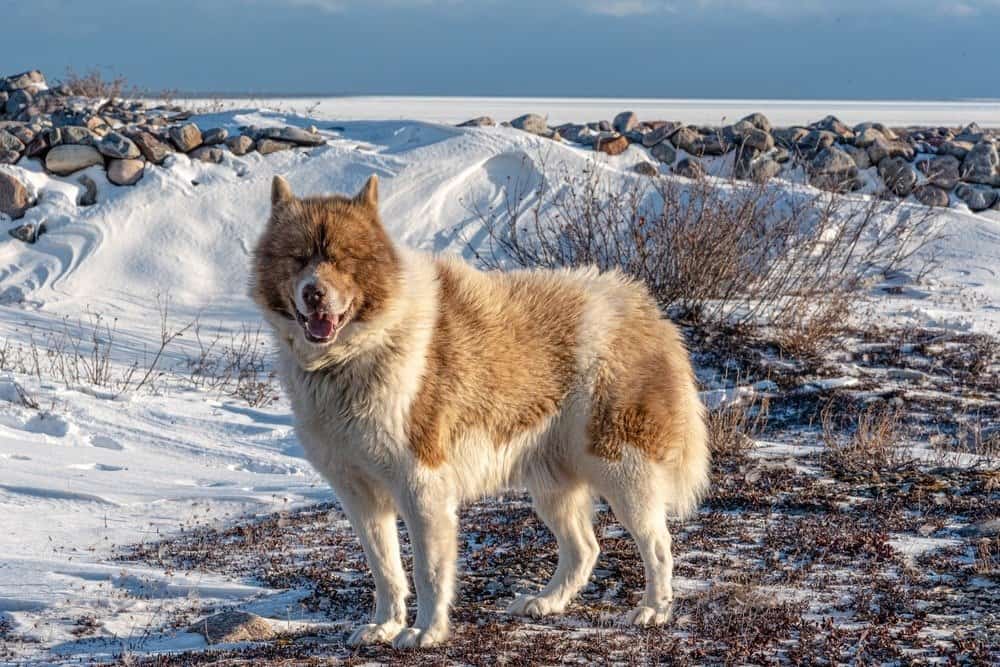

The Greenland Dog is one of the oldest and purest sled dog breeds, originating in Greenland. They are a powerful and rugged breed, perfectly adapted to the harsh Arctic environment. Greenland Dogs are primarily working dogs, used for pulling sleds and hunting seals. They are known for their incredible strength, endurance, and resilience. They are not typically kept as pets, as they require a significant amount of exercise and mental stimulation.
- Size: Large
- Weight: 66-77 pounds
- Coat: Thick, double coat
- Color: Variety of colors, including black, white, gray, and red
- Temperament: Independent, strong, resilient
The Samoyed
While not exclusively a sled dog, the Samoyed has a long history of working alongside the Samoyedic peoples of Siberia, assisting with herding reindeer and pulling sleds. They are known for their striking white coat and their friendly, smiling expression. Samoyeds are intelligent and eager to please, making them relatively easy to train. They are also known for their gentle and affectionate personalities, making them good family pets.
- Size: Medium to Large
- Weight: 35-65 pounds
- Coat: Thick, double coat, always white
- Color: White
- Temperament: Friendly, intelligent, gentle
Caring for Eskimo Sled Dog Breeds
Caring for an Eskimo sled dog breed requires a commitment to providing them with the exercise, mental stimulation, and socialization they need to thrive. These dogs were bred to work, and they need a job to do, whether it’s pulling a sled, running alongside you on a bike, or participating in dog sports like agility or obedience.
Exercise Requirements
Eskimo sled dog breeds require a significant amount of exercise. Daily walks are not enough to meet their needs. They need opportunities to run and explore in a safe and secure environment. Activities like sledding, skijoring, and hiking are excellent ways to provide them with the exercise they need.
Grooming Needs
All Eskimo sled dog breeds have thick double coats that require regular grooming. They shed heavily, especially during the spring and fall. Regular brushing will help to remove loose hair and prevent matting. Some breeds may also require occasional bathing.
Nutritional Needs
Eskimo sled dog breeds require a high-quality diet that is rich in protein and fat. They need more calories than less active breeds to fuel their high energy levels. Consult with your veterinarian to determine the best diet for your dog’s age, activity level, and health condition.
Training and Socialization
Eskimo sled dog breeds are intelligent but can also be independent and strong-willed. Early socialization and consistent training are essential to ensure that they develop into well-adjusted adults. Positive reinforcement methods, such as treats and praise, are the most effective way to train these dogs.
Health Considerations
Like all breeds, Eskimo sled dog breeds are prone to certain health problems. Some common health concerns include hip dysplasia, progressive retinal atrophy (PRA), and hypothyroidism. It’s important to choose a reputable breeder who screens their dogs for these conditions. Regular veterinary checkups are also essential for maintaining your dog’s health.
Are Eskimo Sled Dog Breeds Right for You?
Eskimo sled dog breeds are not the right choice for every family. They require a significant commitment to exercise, training, and socialization. They also need owners who are experienced and confident in handling strong-willed dogs. If you are prepared to meet their needs, an Eskimo sled dog can be a loyal and rewarding companion.
Considerations Before Getting an Eskimo Sled Dog
- Lifestyle: Are you active and able to provide your dog with plenty of exercise?
- Living Situation: Do you have a large, fenced yard where your dog can run and play?
- Experience: Have you owned dogs before, particularly breeds with strong personalities?
- Commitment: Are you prepared to commit to the time and effort required to train and socialize your dog?
Finding a Reputable Breeder or Rescue
If you decide that an Eskimo sled dog breed is right for you, it’s important to find a reputable breeder or rescue organization. A good breeder will be knowledgeable about the breed, screen their dogs for health problems, and be committed to finding the right homes for their puppies. A rescue organization can provide you with a loving and deserving dog who needs a second chance.
Conclusion
Eskimo sled dog breeds are magnificent animals with a rich history and unique set of characteristics. They have played a vital role in the survival of Arctic peoples for centuries, and they continue to be valued for their strength, endurance, and loyalty. If you are considering adding one of these dogs to your family, be sure to do your research and understand the commitment required to provide them with the care they need to thrive. With proper care and training, an Eskimo sled dog can be a wonderful companion for many years to come. Remember to consider factors like exercise, grooming, training, and potential health concerns before making your decision. By understanding their specific needs, you can ensure a happy and fulfilling life together.


