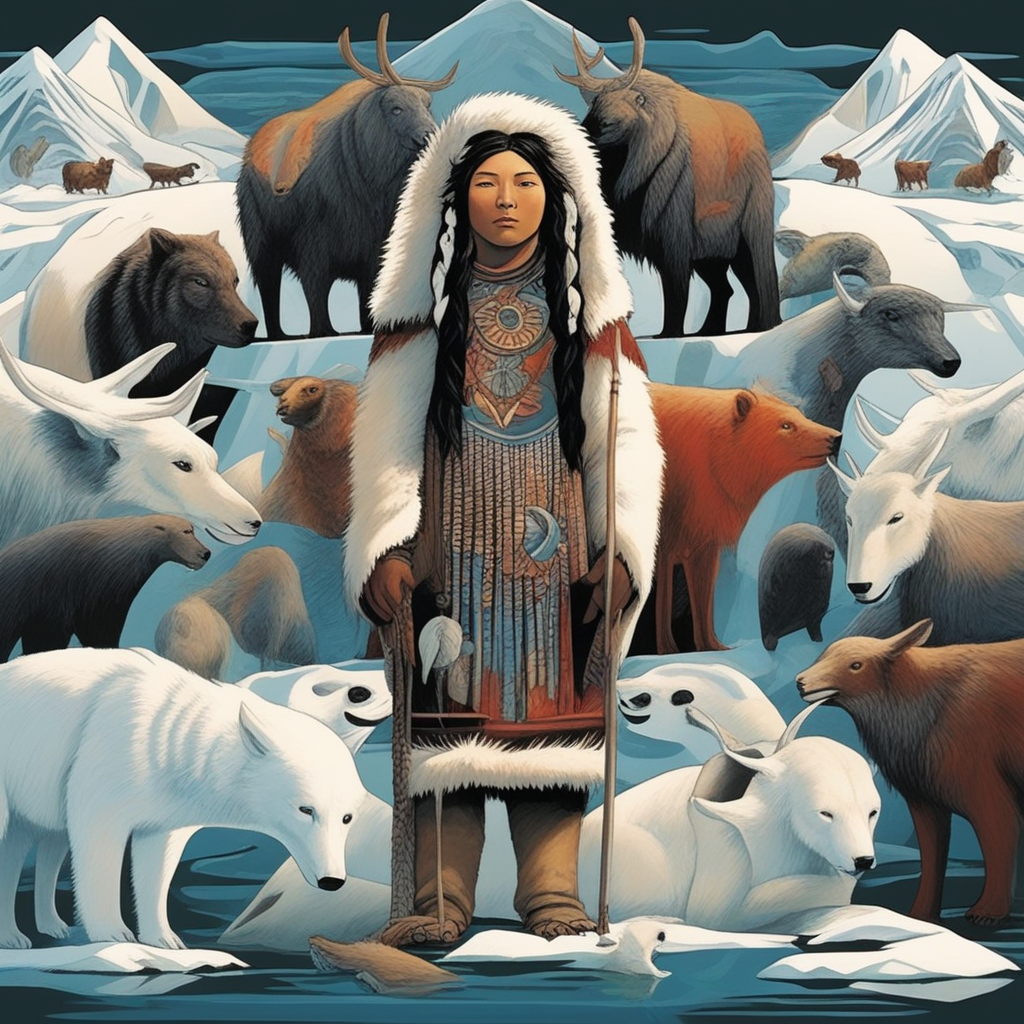

The term ‘Eskimo,’ while historically used, encompasses various Indigenous groups inhabiting the Arctic regions, primarily the Inuit and Yupik peoples. Understanding their traditional beliefs regarding animals requires acknowledging the diversity within these cultures. However, a common thread weaves through their worldviews: a deep, abiding respect for the animal kingdom. This respect wasn’t merely practical; it was deeply spiritual, influencing every aspect of their lives, from hunting practices to storytelling.
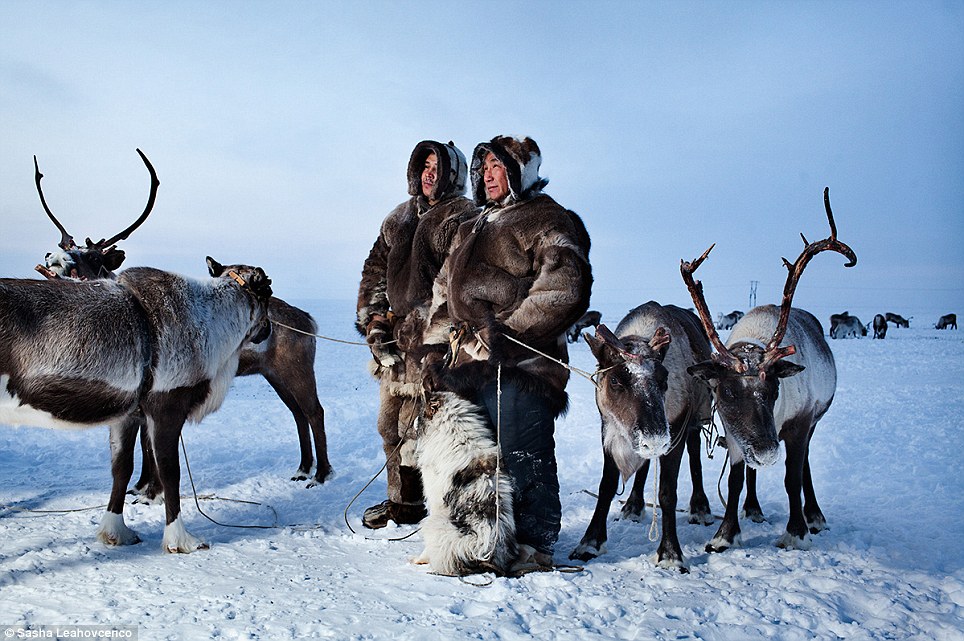
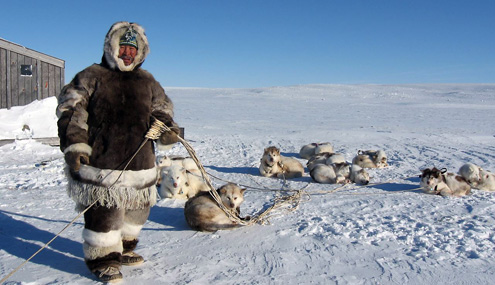
For centuries, the Inuit and Yupik have thrived in the harsh Arctic environment, relying on animals for sustenance, clothing, shelter, and tools. Their survival depended on a profound understanding of animal behavior and migration patterns. But beyond mere survival, their relationship with animals was governed by a complex system of beliefs and rituals that emphasized respect, reciprocity, and the interconnectedness of all living things.
The Spiritual Significance of Animals
Animals were not simply seen as resources; they were viewed as sentient beings with spirits and souls. These spirits, known as anirniit, were believed to persist even after death. This belief system fostered a sense of accountability and responsibility in the hunters, who understood that their actions had consequences in the spiritual realm.
Animals as Spiritual Guides
Many Inuit and Yupik traditions feature animals as powerful spiritual guides and helpers. Shamans, or spiritual leaders, often communicated with animal spirits to gain knowledge, heal the sick, and ensure successful hunts. Certain animals, like the polar bear or the raven, held particular significance and were revered for their strength, intelligence, or cunning.

The Concept of Inua
The concept of Inua is central to understanding Inuit and Yupik spirituality. Inua refers to the spirit or essence that resides within all things, including animals, humans, and even inanimate objects. Showing respect to an animal’s Inua was crucial for maintaining balance in the world and ensuring future success in hunting. Disrespecting an animal’s Inua could bring misfortune or even death.
Traditional Hunting Practices and Rituals
The Inuit and Yupik developed sophisticated hunting techniques that were both efficient and respectful. These practices were not just about killing animals; they were about engaging in a sacred exchange, ensuring the continuation of life, and maintaining harmony with the environment.
The Importance of Skill and Knowledge
Successful hunting required extensive knowledge of animal behavior, weather patterns, and the environment. Young hunters underwent rigorous training, learning from experienced elders how to track animals, build hunting tools, and navigate the treacherous Arctic terrain. Skill and knowledge were highly valued, not only for their practical benefits but also for their spiritual significance. A skilled hunter was seen as someone who was attuned to the rhythms of nature and deserving of success.
Rituals Before and After the Hunt
Specific rituals were performed before and after the hunt to ensure success and to honor the spirits of the animals. These rituals varied depending on the animal being hunted and the specific community, but they often involved prayers, offerings, and symbolic gestures. For example, hunters might offer a drink of fresh water to a slain animal as a sign of respect or perform a special dance to appease its spirit.
The Treatment of the Animal’s Remains

The proper treatment of an animal’s remains was considered essential. Every part of the animal was used, and nothing was wasted. Bones were carefully cleaned and returned to the sea or land, allowing the animal’s spirit to be reborn. This practice reflected a deep understanding of the cyclical nature of life and the importance of respecting the animal’s sacrifice.
The Role of Storytelling and Art
Storytelling and art played a vital role in transmitting traditional knowledge and values related to animals. Myths and legends often featured animals as central characters, teaching lessons about respect, responsibility, and the interconnectedness of life. Art, in the form of carvings, masks, and clothing decorations, often depicted animals, serving as reminders of their spiritual significance.
Animal Symbolism in Inuit and Yupik Art
Animals were frequently depicted in Inuit and Yupik art, each carrying symbolic meaning. For example, the polar bear might represent strength and courage, while the seal might symbolize adaptability and resourcefulness. These artistic representations served not only as decoration but also as visual reminders of the animals’ importance to the community’s survival and spiritual well-being.
Passing Down Traditional Knowledge Through Stories
Oral traditions, passed down through generations, were crucial for preserving and transmitting knowledge about animals. Stories recounted the adventures of legendary hunters, the behavior of different animal species, and the importance of respecting the natural world. These stories served as both entertainment and education, ensuring that future generations would understand and uphold the traditional values related to animals.
Modern Challenges to Traditional Practices
Today, the Inuit and Yupik face numerous challenges to their traditional way of life, including climate change, resource extraction, and the encroachment of Western culture. These challenges threaten not only their physical survival but also their cultural identity and their spiritual connection to animals.
The Impact of Climate Change
Climate change is having a devastating impact on the Arctic environment, disrupting animal migration patterns, melting sea ice, and altering traditional hunting grounds. These changes make it increasingly difficult for the Inuit and Yupik to hunt and fish, threatening their food security and their cultural survival.
Resource Extraction and Industrial Development
The extraction of natural resources, such as oil and gas, and industrial development are also posing significant threats to the Arctic environment and the animals that depend on it. Pollution, habitat destruction, and the disruption of traditional hunting grounds are all consequences of these activities.
Preserving Traditional Knowledge in a Changing World
Despite these challenges, the Inuit and Yupik are actively working to preserve their traditional knowledge and cultural practices. They are advocating for policies that protect the environment, promoting sustainable resource management, and educating younger generations about their cultural heritage. By maintaining their connection to animals and the land, they hope to ensure the survival of their culture for generations to come.
Answering Common Questions (People Also Ask)
What is the Inuit view on hunting?
The Inuit view hunting as a sacred practice, not just a means of survival. It involves a deep respect for the animal being hunted, with specific rituals performed before and after the hunt to honor its spirit. The Inuit believe that animals willingly give themselves to humans for sustenance, and it is the hunter’s responsibility to show gratitude and use every part of the animal.
How do Inuit show respect for animals?
Inuit show respect for animals through various practices, including performing rituals before and after the hunt, using every part of the animal without waste, carefully cleaning and returning bones to the environment, and teaching younger generations about the importance of respecting animals through storytelling and art.
What is the significance of the polar bear in Inuit culture?
The polar bear holds a significant place in Inuit culture, often symbolizing strength, courage, and resilience. It is a powerful animal that has provided sustenance and clothing for the Inuit for centuries. The polar bear is also featured in many Inuit myths and legends, often as a spiritual guide or protector.
What are some traditional Inuit beliefs?
Some traditional Inuit beliefs include the concept of anirniit (animal spirits), the belief that all living things have a soul, and the importance of maintaining balance in the world through respect and reciprocity. They also believe in the power of shamans to communicate with animal spirits and heal the sick.
Conclusion: The Enduring Legacy of Respect
The traditional animal respect of the Inuit and Yupik peoples is a testament to the enduring power of Indigenous knowledge and the importance of maintaining a harmonious relationship with the natural world. Their beliefs and practices offer valuable lessons for all of us, reminding us of the interconnectedness of life and the need to protect the environment for future generations. By understanding and appreciating their cultural heritage, we can learn to live more sustainably and respectfully on this planet.
The Inuit and Yupik cultures demonstrate that true sustainability comes from a place of deep respect and understanding. Their traditional ways offer a model for how we can interact with the natural world in a way that benefits both humans and the environment. Embracing these principles is crucial for creating a more just and sustainable future for all.
Ultimately, the story of Eskimo traditional animal respect is a story about survival, resilience, and the enduring power of the human spirit. It is a story that deserves to be told and remembered, not only as a celebration of Indigenous culture but also as a call to action for a more sustainable and respectful world.
This profound respect is not merely a historical artifact but a living tradition that continues to shape the lives of Inuit and Yupik people today. It serves as a powerful reminder of the importance of preserving Indigenous knowledge and promoting sustainable practices in a rapidly changing world. By learning from their example, we can all strive to live in greater harmony with nature and ensure a brighter future for generations to come.
The wisdom embedded in Inuit and Yupik traditions extends far beyond the Arctic. It provides a framework for ethical engagement with the environment and a powerful antidote to the destructive forces of consumerism and environmental degradation. By embracing the principles of respect, reciprocity, and interconnectedness, we can create a world where both humans and animals thrive.
In conclusion, the legacy of Eskimo traditional animal respect is a powerful message for the modern world. It is a message of hope, resilience, and the enduring power of human connection to nature. By honoring the wisdom of the Inuit and Yupik peoples, we can create a more sustainable and just future for all.


