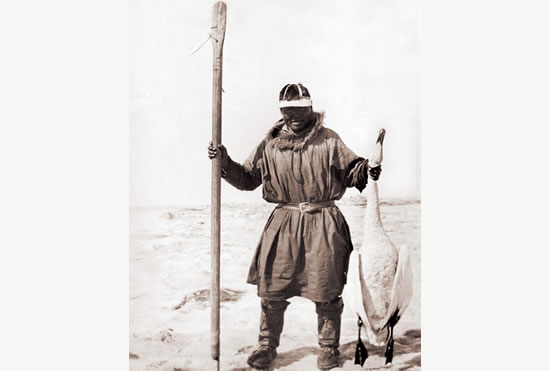

The vast, windswept landscapes and intricate waterways of Southwest Alaska have long been home to the Yupik people, an indigenous population whose survival and cultural identity are deeply intertwined with the land and its resources. Among these vital resources, migratory birds hold a place of paramount importance, shaping not just their diet but also their spiritual beliefs, social structures, and traditional ecological knowledge.
For generations, Yupik bird hunting traditions have been a cornerstone of their subsistence lifestyle. This practice is far more than mere sustenance; it is a profound connection to their ancestral lands, a continuous transfer of knowledge from elders to youth, and a testament to their remarkable adaptability and ingenuity in a challenging environment.
The Yupik Worldview: Respect and Reciprocity
At the heart of Yupik culture lies a profound respect for nature and the animals that sustain them. Traditional Yupik beliefs emphasize a reciprocal relationship with the environment, where hunters must show reverence and gratitude to the spirits of the animals. This worldview dictates sustainable practices, ensuring that resources are never over-exploited and that the balance of nature is maintained for future generations.
This deep respect is evident in every aspect of their hunting, from the careful crafting of tools to the rituals performed before and after a hunt. It’s a holistic approach where spiritual well-being is intrinsically linked to physical sustenance.
A Glimpse into Yupik History and Geography
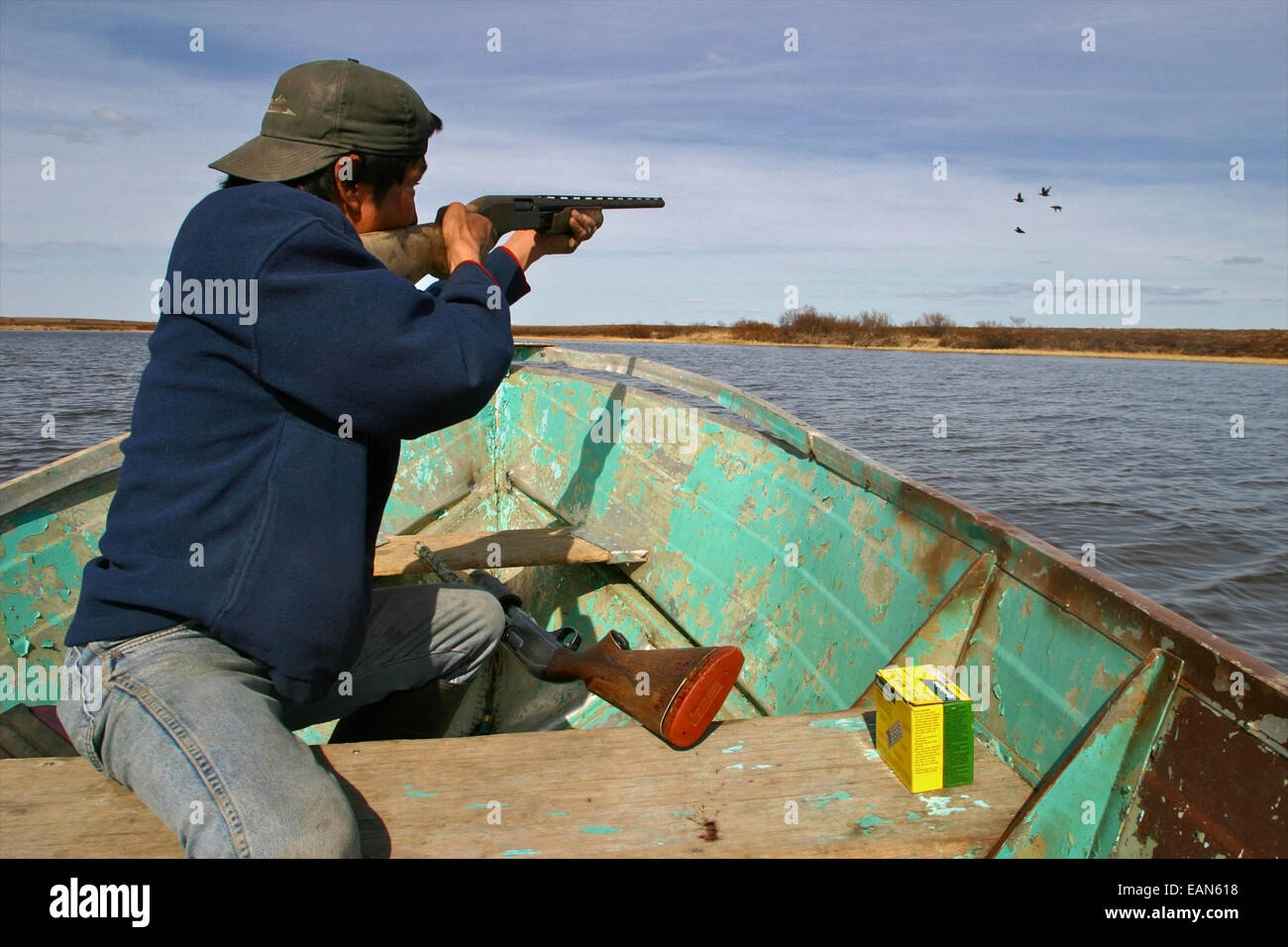

The Yupik people primarily inhabit the coastal and riverine regions of Southwest Alaska, including the Yukon-Kuskokwim Delta and Bristol Bay. This area is a critical migratory flyway and nesting ground for millions of birds, making it an ideal location for traditional bird hunting. Their history in this region spans thousands of years, during which they developed sophisticated hunting techniques perfectly suited to their environment.
Historically, Yupik communities were semi-nomadic, moving with the seasons to access different resources. Bird hunting, particularly during spring and fall migrations, was a crucial activity that provided protein, fats, and materials for clothing and tools.
What is Yupik culture known for? Yupik culture is renowned for its strong subsistence economy, deep connection to the land and sea, sophisticated traditional knowledge systems, vibrant storytelling, intricate mask-making, and resilient community structures.
Essential Bird Species in the Yupik Diet
The diversity of birdlife in the Yupik homeland means a wide array of species have traditionally been hunted. These include various ducks, geese, swans, cranes, seabirds like murres and puffins, and terrestrial birds such as ptarmigan.
Each species offered unique contributions: some provided rich meat, others valuable feathers for parkas and tools, and many were sources of eggs, a vital springtime delicacy. The timing of hunts was meticulously planned around the migration patterns and nesting cycles of these birds.
Ingenious Tools and Techniques of Yupik Hunters
Yupik hunters developed an impressive arsenal of tools and techniques, showcasing their profound understanding of bird behavior and their environment. These methods were honed over millennia, reflecting a deep adaptive intelligence.
- Qayaq (Kayak): The iconic Yupik qayaq was central to waterfowl hunting. These lightweight, maneuverable skin boats allowed hunters to silently navigate shallow waters and approach birds undetected.
- Atlatl and Bird Darts: The atlatl, or spear-thrower, was used to propel bird darts with incredible speed and accuracy. These darts often featured multiple barbed prongs designed to stun or capture birds without piercing them extensively, preserving feathers and meat.
- Nets and Snares: For birds on land or nesting, various nets and snares made from sinew or baleen were strategically placed. These passive hunting methods required extensive knowledge of bird movements and habitats.
- Decoys: Carved wooden decoys, often remarkably realistic, were used to lure waterfowl within range. These decoys were not just tools but often considered spiritual representations, imbued with the power to attract their feathered counterparts.
- Blinds and Camouflage: Hunters utilized natural cover, built blinds from snow or local vegetation, and wore camouflaged parkas to blend seamlessly into their surroundings, allowing for close approaches.
- Bolas: A lesser-known but effective tool, bolas consisting of several weights attached to cords, were thrown to entangle flying birds.


These methods required not only skill and precision but also immense patience and an intimate knowledge of the local ecology, passed down through generations.
Spiritual and Cultural Significance of the Hunt
Beyond practical sustenance, bird hunting is imbued with deep spiritual meaning. Every successful hunt is seen as a gift from the animal spirits, necessitating respect, gratitude, and proper ceremonial observances. Hunters often engage in rituals to ensure good fortune and to honor the harvested animals.
The act of hunting itself is a powerful teacher. It instills discipline, resilience, observation skills, and a profound connection to the natural world. Children learn these lessons from a young age, observing elders and gradually participating in hunts, solidifying their cultural identity.
Intergenerational Knowledge Transfer: Learning from Elders
The transmission of hunting knowledge is a cornerstone of Yupik education. Young people learn not just how to hunt, but why and how to hunt respectfully. This includes understanding migration patterns, weather signs, animal behavior, tool making, and the proper processing and preservation of game.
This oral tradition ensures that complex ecological knowledge, honed over millennia, continues to thrive, adapting to new challenges while maintaining its core values. It is a living curriculum, taught on the land and water.
Preparation and Utilization: Maximizing Every Resource
Once harvested, birds are meticulously prepared, ensuring every part is utilized. This reflects the Yupik principle of avoiding waste and respecting the life that has been given.
- Meat: Eaten fresh, dried, or fermented (like traditional ‘stink eggs’ or ‘stink heads’ for certain birds) for later consumption.
- Eggs: Collected during nesting season, providing a crucial protein boost in spring.
- Feathers: Used for fletching arrows, insulation in parkas, and ceremonial regalia.
- Skins: Some bird skins, particularly from larger species, were used for clothing or crafting small bags.
- Bones: Fashioned into tools, needles, or decorative items.
This comprehensive use of resources highlights the efficiency and ingenuity inherent in Yupik subsistence practices.
Are Yupik people still hunting? Yes, Yupik people continue to hunt birds and other animals as a vital part of their subsistence lifestyle. While modern tools like shotguns and motorboats are now common, many traditional methods and the underlying cultural values remain strong.
Modern Challenges and Adaptations in Yupik Bird Hunting
Today, Yupik bird hunting traditions face a confluence of modern challenges, requiring ongoing adaptation and resilience. These challenges range from environmental shifts to regulatory complexities.
Climate Change Impacts: The Arctic and sub-Arctic regions are experiencing climate change at an accelerated rate. This affects:
- Bird Migration Patterns: Changes in weather and ice conditions can alter migration routes and timings, making hunting less predictable.
- Habitat Loss: Rising sea levels and altered wetland ecosystems threaten nesting and feeding grounds.
- Resource Availability: Shifts in prey availability for birds can impact their populations.
Regulatory Frameworks: Yupik subsistence hunting is subject to various state and federal regulations, notably the Migratory Bird Treaty Act. While specific provisions exist for Alaska Native subsistence, navigating these rules can be complex and sometimes conflicts with traditional practices.
Economic and Social Pressures: The modern cash economy, alongside shifts in lifestyle, can draw younger generations away from traditional hunting practices. However, many communities actively work to preserve and revitalize these skills.
How do Yupik people survive? Yupik people primarily survive through a robust subsistence economy, relying on hunting, fishing, and gathering local resources like birds, seals, caribou, fish, berries, and greens. This is often supplemented by wage employment and government services.
Preserving the Legacy: The Future of Yupik Bird Hunting
Despite these challenges, the spirit of Yupik bird hunting endures. Communities are actively engaged in efforts to preserve their cultural heritage and ensure the continuation of these vital traditions.
- Youth Programs: Many initiatives focus on teaching younger generations traditional hunting skills, language, and cultural values.
- Documentary and Archival Work: Recording elder knowledge helps preserve information for future generations.
- Advocacy: Yupik leaders and organizations advocate for policies that support subsistence rights and protect their traditional lands and resources.
- Adaptation and Innovation: While respecting tradition, Yupik hunters also adapt by integrating modern tools and knowledge, demonstrating a dynamic and living culture.
The ability to adapt while holding fast to core values is a hallmark of Yupik resilience. The blend of traditional ecological knowledge with contemporary understanding is key to navigating the future.
What animals do Yupik hunt? Yupik people hunt a wide variety of animals, including various species of birds (ducks, geese, seabirds, ptarmigan), marine mammals (seals, walrus), land mammals (caribou, moose, bear), and numerous fish species (salmon, cod, whitefish).
Traditional Yupik Food: A Culinary Heritage
Bird meat and eggs are integral components of traditional Yupik food. Dishes often feature boiled or roasted bird meat, sometimes preserved through drying or fermentation. The emphasis is on nutrient-rich, locally sourced ingredients that have sustained them for millennia. The unique flavors and preparation methods are a testament to their deep connection with their environment.
Conclusion: An Enduring Testament to Culture and Resilience
Yupik bird hunting traditions represent a profound legacy of human adaptation, ecological wisdom, and cultural resilience. From the ingenious qayaq and bird dart to the spiritual reverence for harvested animals, these practices are far more than a means of survival; they are the very fabric of Yupik identity.
As Yupik communities navigate the complexities of the 21st century, their commitment to these traditions remains unwavering. They continue to teach their children the ancestral ways, adapting to new environmental realities while honoring the deep spiritual connection to the birds that grace their skies. The guardians of the sky continue their watch, ensuring that their cultural heritage soars into the future.
The journey of understanding Yupik bird hunting is a journey into the heart of a culture that thrives on respect, reciprocity, and an enduring bond with the natural world. It is a powerful reminder of the importance of traditional ecological knowledge in an ever-changing world.


