
Unveiling the Ancient World of Eskimo Shamanism
Eskimo shamanism, deeply rooted in the harsh yet beautiful Arctic landscape, represents a rich tapestry of spiritual beliefs and practices that have sustained indigenous communities for millennia. Often referred to more broadly as Inuit shamanism in many regions, these traditions are central to understanding the worldview, healing methods, and social structures of various Arctic peoples, including the Inuit, Yup’ik, and Inupiat.
At its core, Eskimo shamanism is an animistic belief system, where every element of nature – animals, plants, rocks, weather – possesses a spirit or life force. This interconnectedness with the environment forms the foundation of their spiritual interactions and the role of the shaman, or Angakkuq, within the community.
The Angakkuq: Bridging Worlds and Guiding Spirits
The central figure in Eskimo shamanism is the Angakkuq, a powerful spiritual practitioner who acts as an intermediary between the human world and the spirit world. Unlike priests in organized religions, an Angakkuq is not merely a ceremonial leader but a conduit, capable of journeying to other realms, communicating with spirits, and influencing events.
What is the role of a shaman in Inuit culture? The Angakkuq’s role was multifaceted and vital. They were healers, diviners, weather controllers, storytellers, and spiritual guides. They helped communities navigate the unpredictable Arctic environment, ensuring successful hunts, curing illnesses, and maintaining harmony among people and with the spirit world.

The Angakkuq commanded immense respect and sometimes fear, as their powers could be used for both benevolent and malevolent purposes. Their authority stemmed from their direct connection to powerful spirit helpers, not from inherited status or formal training institutions.
The Call and Training of an Angakkuq
Becoming an Angakkuq was not a matter of choice but often a divine calling, marked by profound spiritual experiences, visions, and sometimes severe illness or a near-death experience. This ‘shamanic illness’ was seen as a transformative process, breaking down the individual to rebuild them with new spiritual capacities.
The path to becoming a shaman was arduous and solitary. It typically involved years of isolation, fasting, meditation, and mentorship by an elder Angakkuq. During this period, the apprentice would learn to enter trance states, communicate with spirits, acquire spirit helpers (tupilaq or toornaq), and master various ritualistic techniques.
This training emphasized not just spiritual knowledge but also a deep understanding of human psychology, traditional medicines, and the intricate lore of the spirit world. It was a holistic education aimed at developing a profound spiritual sensitivity and resilience.
Core Spiritual Beliefs and Cosmology
What are the spiritual beliefs of the Inuit? Inuit spirituality is characterized by animism and a complex cosmology involving numerous spirits and deities. The world is seen as teeming with spirits, both benevolent and malevolent, inhabiting animals, objects, and natural phenomena.
Key figures in their mythology include Sedna (or Nuliajuk), the powerful sea goddess who controls marine animals, and the Spirit of the Air, Sila, who governs weather and breath. Maintaining a respectful relationship with these powerful entities was crucial for survival, particularly for hunters.
The concept of inua, or the ‘owner’ or ‘spirit’ of a thing, is fundamental. Every animal has an inua, and hunters must appease these spirits through rituals and proper conduct to ensure future successful hunts. Disrespect could lead to famine or illness.
Rituals, Trance, and Spirit Journeys
Eskimo shamanism involved a variety of rituals designed to connect with the spirit world. These often took place in communal settings, though the Angakkuq’s most potent work might be done in solitude.
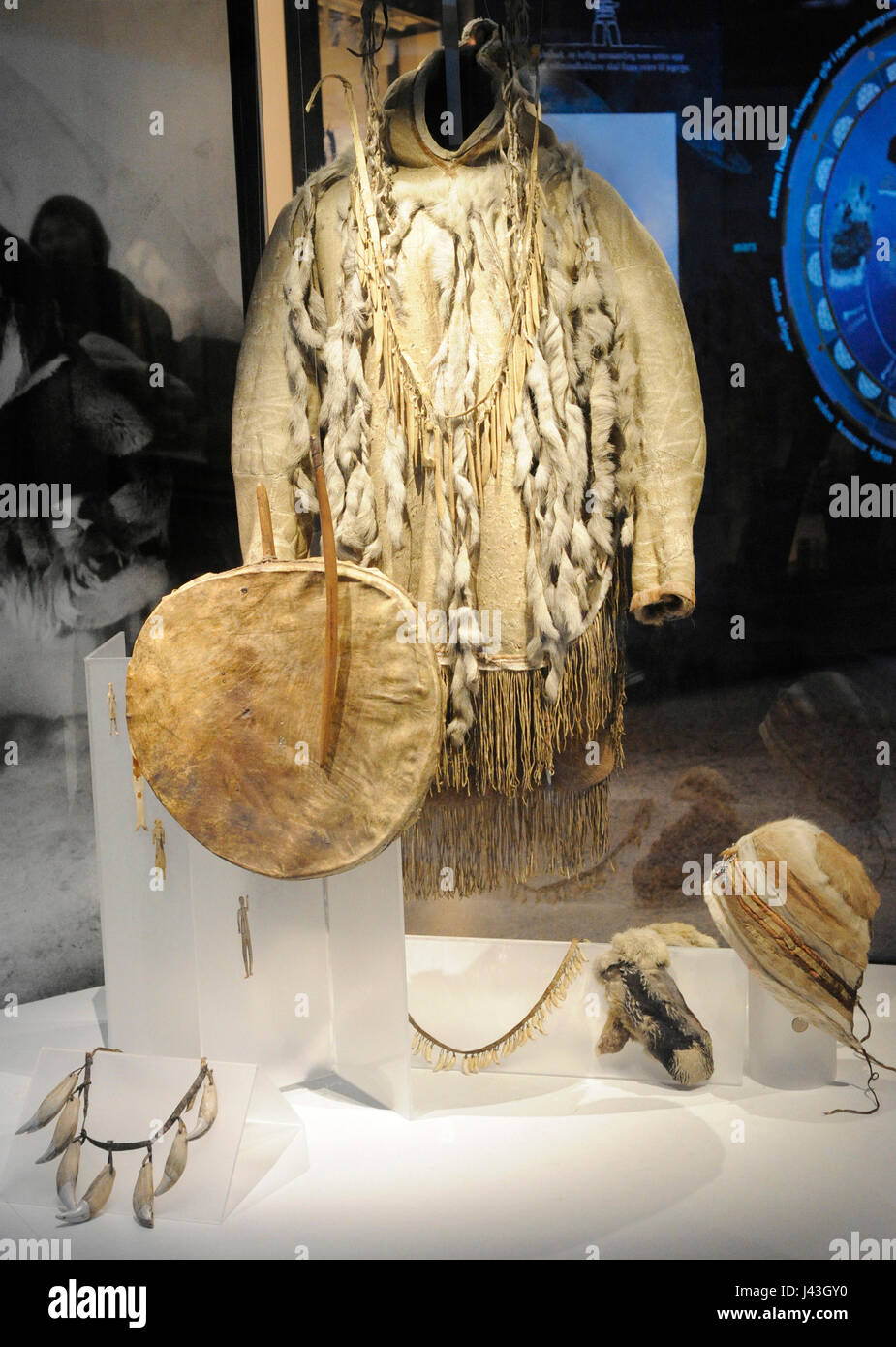
How do shamans communicate with spirits? Communication was primarily achieved through altered states of consciousness, or trance states, induced by repetitive drumming, rhythmic chanting, singing (pisiq), and sometimes dancing. During a trance, the Angakkuq’s soul was believed to leave their body and journey to other realms.
These spirit journeys allowed the Angakkuq to seek answers, retrieve lost souls, negotiate with powerful deities like Sedna, or confront malevolent spirits. The sounds of the drum, often made from caribou hide, were not just musical but served as a vehicle for the shaman’s soul to travel.
Healing Practices and Maintaining Balance
Healing was a primary function of the Angakkuq. Illness was often attributed to spiritual causes, such as soul loss, the presence of intrusive spirits, or the violation of taboos. The Angakkuq’s role was to diagnose the spiritual root of the ailment and perform the necessary rituals for healing.
Healing rituals might involve soul retrieval, exorcism of malevolent spirits, or advising the patient on how to rectify spiritual imbalances. Traditional plant medicines and physical treatments were also part of their repertoire, often guided by spiritual insight.
Maintaining balance – between humans and nature, between individuals and the community, and within the individual’s spirit – was paramount. The Angakkuq served as a guardian of this balance, intervening when harmony was disrupted.
Tools and Attire of the Angakkuq
While not always elaborate, certain tools and ritualistic items were significant to the Angakkuq. The drum was perhaps the most iconic, serving as both a musical instrument and a spiritual vessel. Other items might include amulets, carved figures (tupilak), and special clothing adorned with symbolic elements.
The Angakkuq’s attire, though often practical for the Arctic climate, could also incorporate elements that symbolized their connection to the spirit world, such as particular animal furs or bone ornaments. These were not merely decorations but imbued with spiritual power.
The Enduring Legacy and Modern Challenges
Are there still Eskimo shamans? While the overt practice of shamanism declined significantly with the arrival of missionaries and Western influence, the spiritual worldview and many traditional beliefs persist. Many indigenous communities have experienced a resurgence of interest in their ancestral practices and cultural heritage.
Today, traditional healers and spiritual guides continue to exist, though their roles may be less overt or integrated differently into modern society. The knowledge and wisdom of the Angakkuq are often preserved through oral traditions, storytelling, and cultural revitalization efforts.
The challenges facing contemporary indigenous communities, such as cultural erosion, climate change, and mental health issues, underscore the continued relevance of traditional spiritual practices in fostering resilience and identity.
Cultural Sensitivity and Respect
It is crucial to approach the study of Eskimo shamanism with deep cultural sensitivity and respect. These are living traditions, integral to the identity and well-being of indigenous peoples. Understanding their practices requires acknowledging their historical context, resilience, and ongoing significance.
The rich spiritual landscape of the Arctic peoples offers profound insights into humanity’s relationship with nature, the unseen world, and the enduring power of belief. Their ancient traditions continue to inform and inspire.
Conclusion: The Unseen Threads of Arctic Spirituality
Eskimo shamanism, embodied by the profound wisdom and power of the Angakkuq, represents a complex and vital system of beliefs that has shaped the lives of Arctic indigenous peoples for generations. From healing the sick and ensuring successful hunts to navigating the intricate spirit world, the Angakkuq served as the cornerstone of spiritual and communal well-being.
Though transformed by time and external influences, the core tenets of animism, respect for nature, and the interconnectedness of all life remain potent forces within Inuit and other Arctic cultures. These ancient traditions offer valuable lessons on living in harmony with our environment and understanding the deeper dimensions of existence.
The echoes of the drum still resonate, reminding us of the enduring spiritual strength and cultural heritage of the Arctic, a testament to humanity’s quest for meaning and connection in the vast, awe-inspiring wilderness.


