Arctic Demographics in Flux: Unpacking the Statistics of Indigenous Peoples Across the Circumpolar North
The Arctic, a region often perceived as static and remote, is home to a vibrant and rapidly evolving demographic landscape. Far from being a monolithic entity, the Indigenous populations of the Circumpolar North — often historically grouped under the term "Eskimo" — represent a diverse array of cultures, languages, and statistical realities. This article delves into the complex population dynamics of these groups, offering a journalistic snapshot of their numbers, trends, challenges, and remarkable resilience.
It is crucial to begin by addressing the terminology. While "Eskimo" has been used for centuries, it is largely considered outdated and, for many, pejorative. The preferred terms are the specific Indigenous names for themselves: Inuit (primarily in Canada and Greenland, and parts of Alaska), Yup’ik (in Alaska and Siberia), and Iñupiat (in northern Alaska). This article will primarily use these specific terms while acknowledging the broader historical context of the "Eskimo" designation.
A Circumpolar Overview: Numbers and Distribution
Estimates place the total population of Inuit, Yup’ik, and related Indigenous groups across the Circumpolar North at approximately 180,000 to 200,000 individuals. This seemingly modest figure belies a significant presence in some of the world’s most challenging environments, covering vast territories across four nation-states: Greenland (Kalaallit Nunaat), Canada, the United States (Alaska), and Russia (Chukotka).
Each region presents its own unique demographic profile, influenced by distinct historical trajectories, governance structures, and socio-economic realities.

Greenland (Kalaallit Nunaat): The Indigenous Majority
Greenland stands out as the only nation where an Indigenous group forms the overwhelming majority of the population. The Kalaallit, Greenlandic Inuit, comprise roughly 89% of the island’s approximately 56,000 residents. This unique demographic dominance has empowered Greenland with significant self-governance, including control over education, healthcare, and natural resources.
Statistical trends in Greenland show a relatively stable population, with urbanization being a key factor. Nuuk, the capital, has seen consistent growth, drawing people from smaller, more remote settlements in search of economic opportunities, education, and modern amenities. While birth rates have historically been high, they have moderated in recent decades, aligning with trends in many developed nations. The average life expectancy, while improving, still lags behind many Western countries, highlighting ongoing health disparities that the self-governing administration is actively working to address.
Canada: A Growing and Youthful Population
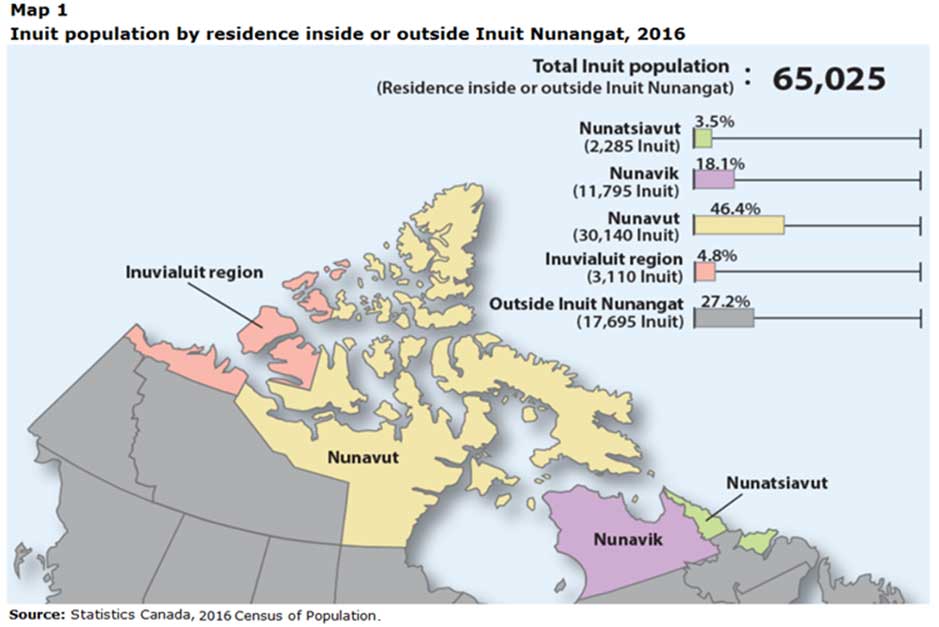
In Canada, the Inuit population is concentrated in four regions collectively known as Inuit Nunangat: Nunavut, Nunavik (northern Quebec), Nunatsiavut (northern Labrador), and the Inuvialuit Settlement Region (Northwest Territories). According to the 2021 Canadian Census, the Inuit population in Canada numbered 70,540, representing a significant 8.5% increase since 2016.
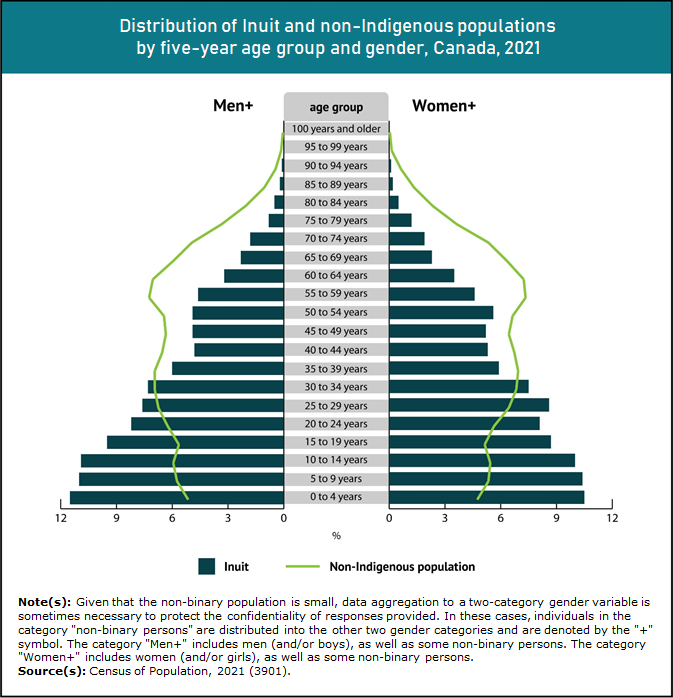
This growth is a defining characteristic of the Canadian Inuit demographic. They are one of the fastest-growing Indigenous groups in Canada, and notably, one of the youngest. The median age for Inuit in Canada in 2021 was 27.6 years, significantly lower than the 41.6 years for the non-Indigenous population. This "youth bulge" presents both opportunities and challenges. A large young population means a future workforce and cultural revitalization, but it also places immense pressure on education, housing, and social services in remote communities.
Urbanization is also a factor, though to a lesser extent than for other Indigenous groups in Canada. While the majority of Inuit still live in Inuit Nunangat, cities like Ottawa, Montreal, and Edmonton have growing Inuit populations, often drawn by higher education or employment opportunities unavailable in their home communities. However, these moves can also bring challenges related to cultural adaptation, discrimination, and access to culturally appropriate services.
Alaska: Diverse Groups, Complex Realities
Alaska is home to a rich tapestry of Indigenous groups, including several "Eskimo" peoples. The Iñupiat inhabit the northern and northwestern coasts, while the Yup’ik are concentrated in southwest Alaska. The Siberian Yupik live on St. Lawrence Island, and the Alutiiq (Sugpiaq), while culturally distinct, are also often included in broader discussions of Alaska Native populations.
According to the U.S. Census Bureau, the total population identifying as "Alaska Native and American Indian" (alone or in combination) in Alaska was approximately 120,000 in 2020, with specific "Eskimo" groups making up a substantial portion of this. The demographics are complex, influenced by the Alaska Native Claims Settlement Act (ANCSA) of 1971, which established regional and village corporations. These corporations play a significant role in the economic lives of many Alaska Natives, providing employment and managing land.
Key statistical insights for Alaska’s "Eskimo" populations include:
- Geographic Distribution: A strong connection to rural and subsistence lifestyles, though urbanization is slowly increasing. Anchorage, Fairbanks, and Juneau have significant Alaska Native populations.
- Health Disparities: Like many Indigenous populations globally, Alaska Natives face higher rates of certain chronic diseases, lower life expectancy, and significant mental health challenges, including disproportionately high suicide rates, particularly among youth. The average life expectancy for Alaska Natives is estimated to be several years lower than for the state’s non-Native population.
- Language Revitalization: While English is dominant, there are ongoing efforts to revitalize Indigenous languages such as Inupiaq and Yup’ik, with varying degrees of success. Statistics show a decline in fluent speakers across generations, prompting urgent cultural preservation initiatives.
Russia (Chukotka): The Siberian Yupik
On the far western edge of the Bering Strait, in Russia’s Chukotka Autonomous Okrug, reside the Siberian Yupik. Their population is significantly smaller than their Alaskan and Canadian counterparts, numbering in the low thousands. Accurate, granular demographic statistics for this group are more challenging to obtain due to historical Soviet-era policies and current Russian administrative structures.
Post-Soviet economic reforms led to significant challenges for many Indigenous communities in Chukotka, including migration, loss of traditional livelihoods, and disruptions to social services. Efforts to revitalize Yupik language and culture persist, often with cross-border collaboration with Alaskan Yup’ik communities, underscoring the deep cultural connections that transcend national boundaries.
Challenges and Socio-Economic Indicators
Across all regions, despite unique strengths, these Indigenous populations face common statistical challenges that reflect historical marginalization and ongoing systemic inequities:
-
Health Outcomes: Disparities in life expectancy, higher rates of diabetes, cardiovascular disease, and respiratory illnesses are common. Mental health crises, particularly elevated suicide rates among youth, remain a grave concern. For instance, in some Inuit regions of Canada, the suicide rate can be up to 9 times the national average. Access to adequate healthcare, especially in remote communities, is a persistent issue.
-
Education: While educational attainment is rising, gaps often persist compared to non-Indigenous populations. Challenges include culturally irrelevant curricula, lack of local high school options, and the necessity of leaving home communities for post-secondary education, which can lead to cultural disconnection.
-
Economic Disparities: Unemployment rates are often significantly higher than national averages, and income levels are generally lower. While resource extraction (oil, gas, mining) offers some opportunities, these often come with environmental and social costs, and benefits do not always accrue equitably to local Indigenous populations. Traditional subsistence economies, while vital for food security and cultural identity, are increasingly threatened by climate change and modernization.
-
Housing and Infrastructure: Overcrowding, inadequate housing, and lack of basic infrastructure (clean water, sanitation) are critical issues in many Arctic communities. These conditions contribute to poor health outcomes and social stress.
-
Climate Change: While not a direct demographic statistic, climate change profoundly impacts the populations. Melting sea ice, thawing permafrost, and changing wildlife patterns disrupt traditional hunting and travel, threatening food security and cultural practices, potentially leading to forced migration or further urbanization.
Resilience and Self-Determination: Shaping Future Statistics
Despite these formidable challenges, the demographic story of the Arctic’s Indigenous peoples is also one of immense resilience, cultural strength, and a growing push for self-determination.
- Political Self-Governance: The establishment of Nunavut in Canada (1999) and the extensive self-rule in Greenland are powerful examples of Indigenous populations taking control of their own destinies. These advancements allow for policies tailored to local needs, including data collection that better reflects Indigenous realities.
- Language and Cultural Revitalization: There are widespread efforts to preserve and revitalize Indigenous languages. In Greenland, Kalaallisut is the official language. In Nunavut, Inuktitut is an official language alongside English and French. These efforts are crucial for maintaining cultural identity and well-being, influencing educational and social statistics.
- Advocacy and International Cooperation: Indigenous organizations like the Inuit Circumpolar Council (ICC) advocate on the international stage, bringing attention to issues like climate change and human rights, and influencing global policy that directly impacts their populations. This collective voice ensures their unique demographic and environmental vulnerabilities are not overlooked.
The Future Outlook
The statistics of the "Eskimo" populations across the Circumpolar North paint a dynamic picture. They are populations generally characterized by youthfulness, strong cultural ties, and a deep connection to their traditional lands, yet simultaneously grappling with the profound impacts of colonialism, globalization, and a rapidly changing climate.
The trajectory of these populations will increasingly be shaped by their own agencies and self-determination. As they continue to assert their rights, develop their economies in culturally appropriate ways, and address pressing social and health challenges, the demographic landscape of the Arctic will continue to evolve. Understanding these statistics is not merely an academic exercise; it is fundamental to recognizing the vibrant human story at the roof of the world and supporting the aspirations of its Indigenous peoples.

.jpeg?w=200&resize=200,135&ssl=1 "Jobs Available On Indian Reservations")

