

The world of Indigenous Arctic names is rich with history, culture, and profound meaning. Often referred to broadly as ‘Eskimo names,’ it’s crucial to understand that this term is an exonym, often considered outdated and sometimes offensive by many Indigenous peoples. The preferred terms are specific to the various groups, most notably the Inuit and Yup’ik peoples, alongside others like the Iñupiat, Sugpiaq, and Greenlandic Kalaallit.
This comprehensive guide delves into the fascinating traditions and beautiful meanings behind the names used by these vibrant communities. We aim to shed light on the cultural significance of these names, moving beyond a simple list to offer a deeper appreciation for their heritage and the stories they tell.
For the purposes of this article, while acknowledging the historical context of the term ‘Eskimo names,’ we will primarily focus on the distinct and rich naming practices of the Inuit and Yup’ik peoples, who represent the largest populations within the broader ‘Eskimo-Aleut’ language family.
Naming practices in Indigenous Arctic cultures are far more than just assigning a label. They are deeply spiritual and hold significant social weight. A name often embodies a connection to an ancestor, a place, an animal, or a particular characteristic, linking the individual directly to their heritage and environment.
Traditionally, names were not merely chosen for their sound but were believed to carry the spirit or essence of the person or thing they represented. This belief meant that naming a child after a deceased relative was not just an act of remembrance but a way to bring that ancestor’s spirit back into the community.
The process of naming could involve dreams, visions, or the observation of natural phenomena. It was a sacred act, ensuring the child would grow up with a strong identity rooted in their community and ancestral lineage. This contrasts sharply with many Western naming conventions, which often prioritize uniqueness or popularity.
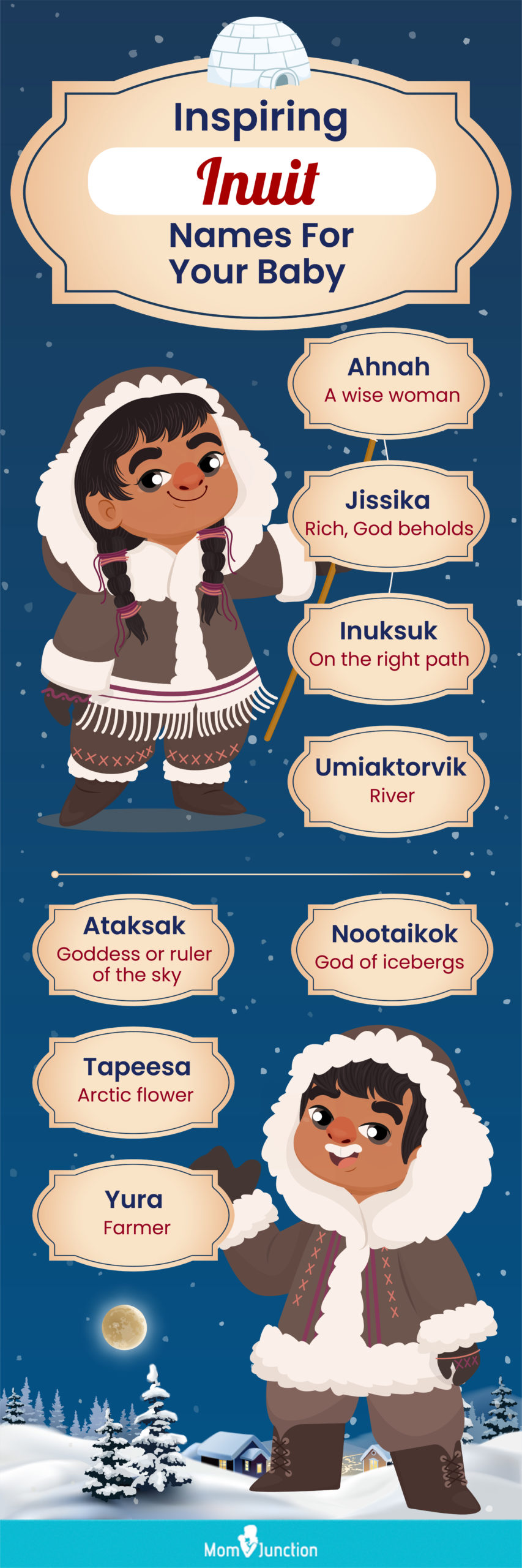

The vast geographical spread of Inuit and Yup’ik communities across Alaska, Canada, and Greenland means there are regional variations in language and naming conventions. However, core principles often remain consistent: respect for ancestors, observation of nature, and the importance of community.
One of the most powerful traditions is the concept of atigait, or ancestral names. When a child is given an ancestral name, they are believed to take on some of the qualities, personality, or even the spirit of that ancestor. This creates a powerful intergenerational bond.
It’s common for children to receive multiple names throughout their lives, reflecting different stages, achievements, or connections. These names might be given by various family members, elders, or even through significant life events.
Many traditional names are directly inspired by the Arctic environment. The harsh yet beautiful landscape, the unique wildlife, and the ever-changing weather patterns provide a rich source of inspiration. Names often reflect animals like seals, caribou, or polar bears, or natural elements like ice, snow, and wind.
Let’s explore some beautiful and meaningful names from Inuit and Yup’ik traditions. Please note that pronunciations can vary significantly by dialect and region.
Popular Inuit & Yup’ik Names and Their Meanings (Girls)
- Akiak: (Inuit) ‘Brave’ or ‘Courageous’.
- Anana: (Inuit) ‘Mother’s mother’ or ‘Grandmother’.
- Atka: (Inuit) ‘King’s daughter’ or ‘Pure’.
- Kayala: (Inuit) ‘Little white fox’.
- Malina: (Inuit) ‘Sun’. A powerful and common name, especially in Greenland.
- Nanook: (Inuit) While often associated with polar bears, it means ‘polar bear cub’. Often unisex.
- Nia: (Inuit) ‘Strength’ or ‘Purpose’.
- Panik: (Inuit) ‘Daughter’.
- Siku: (Inuit) ‘Ice’.
- Tupiq: (Inuit) ‘Tent’ or ‘Dwelling’.
Popular Inuit & Yup’ik Names and Their Meanings (Boys)
- Anik: (Inuit) ‘Brother’.
- Inuk: (Inuit) ‘Person’ or ‘Human being’. A fundamental name reflecting identity.
- Kavik: (Inuit) ‘Wolverine’. Symbolizing strength and resilience.
- Koa: (Yup’ik) ‘Warrior’ or ‘Brave one’.
- Kunuk: (Inuit) ‘Little darling’ or ‘Sweetheart’. Often used for boys in Greenland.
- Miki: (Inuit) ‘Small’ or ‘Little’.
- Nanuq: (Inuit) ‘Polar bear’. A respected and powerful animal in Arctic culture.
- Pinga: (Inuit) Often associated with a spirit or goddess of hunting and fertility. While often female, it can be seen in various contexts.
- Suka: (Inuit) ‘Fast’ or ‘Quick’.
- Taktu: (Inuit) ‘Cloud’.


Unisex & Nature-Inspired Names
Many names transcend traditional gender boundaries, reflecting the fluidity and adaptability inherent in Indigenous cultures. Nature-inspired names are particularly common in this category.
- Amarok: (Inuit) ‘Wolf’. A powerful animal with deep spiritual significance.
- Kumak: (Inuit) ‘Louse’ or ‘Flea’. Surprisingly, this seemingly humble name is sometimes used to ward off evil spirits.
- Nuna: (Inuit) ‘Land’ or ‘Earth’. A name that connects one directly to the ancestral homeland.
- Pukak: (Inuit) ‘Powder snow’. Evokes the pristine beauty of the Arctic.
- Sila: (Inuit) ‘Air’, ‘Weather’, ‘Intellect’, or ‘Spirit’. A profoundly significant term in Inuit cosmology.
- Uki: (Inuit) ‘Winter’.
The use of ancestral names is a cornerstone of Inuit and Yup’ik naming traditions. When a child is named after an elder or a beloved relative, it’s believed that the child will inherit aspects of that person’s character, wisdom, or even their fate. This practice strengthens family ties and cultural continuity.
In some communities, names are also chosen based on the circumstances of a child’s birth or significant events occurring around that time. This might include weather conditions, animal sightings, or even dreams experienced by the parents.
The revitalization of Indigenous languages and naming practices is a vital movement across the Arctic. Many communities are actively working to preserve and promote their traditional names, ensuring that future generations remain connected to their rich cultural heritage.
Modern usage often sees a blend of traditional Indigenous names with Western names, or sometimes traditional names are given as middle names. This reflects a dynamic cultural landscape where heritage is honored while adapting to contemporary life.
Understanding the nuances of these names requires an appreciation for the languages they come from. The Inuit language (Inuktitut in Canada, Kalaallisut in Greenland, Iñupiaq in Alaska) and Yup’ik languages are polysynthetic, meaning words can be very long and convey complex ideas.
For instance, a name like ‘Sila’ is not just ‘air’ but encompasses the entire concept of the outside world, weather, and even the consciousness of the universe. This depth of meaning is often lost in direct translation.
People Also Ask: Common Questions About Indigenous Arctic Names
What do Eskimo names mean? As explored, these names carry deep meanings related to ancestors, nature (animals, weather, landscape), personal characteristics, and spiritual connections. They are not arbitrary but are chosen with significant cultural and personal resonance.
What are some common Inuit names? Common Inuit names include Malina (sun), Nanuq (polar bear), Siku (ice), Inuk (person), and Kunuk (little darling), among many others, each with its unique regional popularity.
What is a traditional Inuit name? Traditional Inuit names are often ancestral, reflecting the name of a deceased relative, or are derived from observations of the natural world, embodying the spirit or characteristics of an animal, natural phenomenon, or a significant event.
Are Eskimo names gender-neutral? Many traditional Inuit and Yup’ik names can be considered gender-neutral, especially those derived from nature or significant concepts. The concept of rigid gender assignment for names is often more fluid in these cultures than in Western ones.
What is the origin of the word Eskimo? The term ‘Eskimo’ is believed to originate from an Algonquin word meaning ‘eaters of raw meat.’ It is an exonym, meaning it was given by outsiders, and is often considered derogatory or insensitive. The preferred terms are the self-designations of the peoples themselves, such as Inuit, Yup’ik, Iñupiat, and Kalaallit.
In conclusion, the names of the Inuit, Yup’ik, and other Indigenous Arctic peoples are much more than mere identifiers. They are living vessels of culture, history, and spiritual belief. Each name tells a story, connecting individuals to their land, their ancestors, and the enduring strength of their communities.
By exploring these names and their profound meanings, we gain a deeper respect for the rich cultural tapestry of the Arctic and the resilience of its Indigenous peoples. It’s a journey into identity, heritage, and the timeless wisdom embedded in language and tradition.


