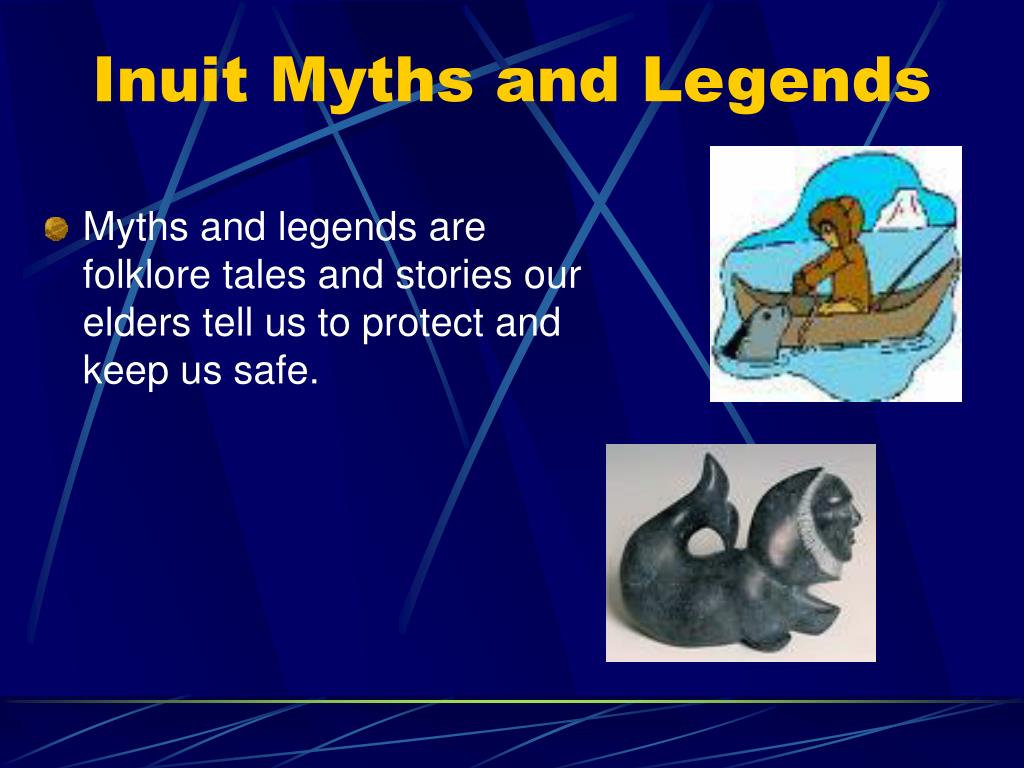

The vast, often unforgiving landscapes of the Arctic have long been home to resilient indigenous peoples, whose rich oral traditions weave together complex narratives of creation, survival, and the profound connection between humanity and the natural world. These stories, often broadly referred to as ‘Eskimo myths and legends,’ offer a window into a unique worldview shaped by ice, sea, and sky.
Before delving into the myths themselves, it’s important to address terminology. The term ‘Eskimo’ is an exonym, meaning a name given by an outside group, and is often considered derogatory by many Indigenous peoples of the Arctic. While historically widespread, it’s increasingly being replaced by self-designations such as Inuit (predominantly in Canada and Greenland) and Yupik (in Alaska and Siberia). Throughout this exploration, we will use these more respectful and specific terms to honor the distinct cultures and their traditions.
Arctic mythology is not a monolithic entity; it encompasses the diverse beliefs and narratives of various distinct groups, including the Inuit, Yupik, Inupiat, Kalaallit, and others. Despite regional variations, common threads emerge, reflecting shared experiences of living in extreme environments and a deep spiritual connection to the land and its creatures.
These myths served multiple crucial functions within their respective societies. They were not merely entertainment but vital tools for education, moral instruction, historical record-keeping, and understanding the universe. They explained natural phenomena, guided behavior, and preserved cultural values across generations.
A central theme across many Arctic mythologies is animism – the belief that all objects, places, and creatures possess a distinct spiritual essence. This worldview fosters profound respect for nature, as every animal, rock, and body of water is seen to have a ‘spirit’ or ‘owner’ (often called an inua in Inuit traditions) that must be honored.
One of the most powerful and widely recognized figures in Inuit mythology is Sedna, the Mother of the Sea Beasts. Her story is a poignant tale of betrayal, transformation, and the delicate balance between humanity and the marine world.

The legend of Sedna varies slightly by region, but a common version recounts her as a young woman who was either thrown into the sea by her father or fell from a kayak during a storm. As she clung to the boat, her father, in a desperate attempt to save himself or to appease the sea, cut off her fingers.
These severed fingers transformed into the various marine mammals – seals, whales, walruses – that sustain the Arctic peoples. Sedna herself sank to the bottom of the ocean, becoming a powerful deity who controls the abundance of sea life. When hunters face scarcity, it is believed that Sedna is displeased.
To appease Sedna and ensure successful hunts, shamans (known as angakkuq) would undertake spiritual journeys to her undersea dwelling. There, they would comb her tangled hair, a symbolic act of purification and respect, to release the trapped animals and restore balance.
Another ubiquitous figure, particularly in North American Arctic cultures, is Raven. Often depicted as both a creator and a trickster, Raven is a complex character responsible for shaping the world, bringing light to the people, and sometimes causing mischief.
Raven myths frequently explain the origins of the sun, moon, and stars, often through clever trickery or accidental discovery. In many tales, Raven steals the celestial bodies from a selfish chief or spirit, releasing them into the sky for the benefit of humankind.
Beyond creation, Raven’s stories often serve as cautionary tales or illustrate human folly and ingenuity. His unpredictable nature reflects the unpredictable world, and his actions, whether benevolent or mischievous, always carry significant consequences or lessons.
The concept of the spirit world and the role of the angakkuq (shaman) are fundamental to Arctic belief systems. Shamans were revered individuals who possessed the ability to communicate with spirits, heal the sick, predict the future, and mediate between the human and spirit realms.
Through trance states, drumming, and incantations, angakkuq would undertake spiritual journeys, often transforming into animals or traveling to other dimensions. Their work was crucial for the well-being of the community, addressing imbalances, guiding hunts, and resolving conflicts with spirits.
Creation myths across the Arctic often emphasize the emergence of the world from water or a primordial void. While specific details differ, there’s a recurring theme of the world being shaped by powerful beings or forces, often in a gradual, iterative process.


Many legends also describe the origins of humanity, sometimes from animals, other times from earth or specific objects. These stories highlight the deep interconnectedness between humans and their environment, often blurring the lines between species.
The celestial bodies – the sun, moon, and stars – also feature prominently in Arctic folklore. The Moon Man (Aningan) is a significant figure, often associated with hunting, fertility, and sometimes, a mischievous or dangerous aspect.
One common myth tells of the Moon Man pursuing his sister, the Sun Woman, across the sky, explaining the movements of the sun and moon. These stories not only account for astronomical phenomena but also imbue them with personality and narrative.
Transformation is a powerful and recurrent motif. Stories abound of humans transforming into animals (especially polar bears, wolves, and seals) and vice versa. These tales reflect a profound understanding of the natural world and the fluidity of existence.
Such transformations often symbolize the spiritual journey, the acquisition of new knowledge, or the consequences of certain actions. They reinforce the idea that the boundaries between species are permeable, and that wisdom can be gained from all forms of life.
Lesser-known but equally fascinating creatures populate Arctic legends. The Qallupilluit are mythical beings said to live under the ice, luring children to their watery homes if they venture too close to the ice’s edge. These tales serve as powerful warnings to children about the dangers of thin ice.
Another intriguing figure is the Tupilak, an avenging monster created by a sorcerer to kill an enemy. Traditionally made from various animal parts and human remains, a Tupilak could be sent to destroy, but if its target was more powerful, it could be sent back to destroy its creator.
These myths are deeply embedded with moral lessons and cultural values. They teach respect for elders, the importance of sharing, the dangers of greed, and the necessity of humility in the face of nature’s power. They reinforce community bonds and the collective responsibility for survival.
For instance, the story of Sedna underscores the critical need to respect the animals that provide sustenance. Disrespect or abuse of these resources, whether animal or human, leads to dire consequences, emphasizing a sustainable relationship with the environment.
The challenges of living in the Arctic are often mirrored in the trials and tribulations faced by characters in the myths. Stories of hunger, harsh weather, and encounters with dangerous animals are common, teaching resilience, resourcefulness, and the power of collective effort.
Despite the pressures of colonization and modernization, these myths and legends continue to hold significant cultural value for Inuit, Yupik, and other Arctic indigenous communities. They are passed down through generations, revitalized in art, literature, and performance.
Contemporary artists, writers, and storytellers draw inspiration from these ancient narratives, ensuring their continued relevance and sharing their profound wisdom with a global audience. This cultural resurgence helps preserve identity and heritage.
The stories serve as a powerful link to ancestral knowledge and traditions, providing a foundation for understanding the world and navigating modern challenges. They offer unique perspectives on environmental stewardship, community, and spirituality.
In conclusion, the myths and legends of the Arctic peoples, often broadly categorized as ‘Eskimo myths,’ are far more than simple tales. They are intricate spiritual frameworks, historical records, ethical guides, and profound artistic expressions.
From the tragic power of Sedna, Mother of the Sea, to the cunning creativity of Raven, these narratives illuminate a worldview deeply attuned to the rhythms of nature and the interconnectedness of all life. They remind us of the enduring power of storytelling to shape culture and transmit wisdom.
Exploring these captivating stories offers invaluable insights into the resilience, ingenuity, and spiritual depth of the indigenous cultures of the Arctic, fostering greater understanding and respect for their rich heritage.


