
The term ‘Eskimo’ has historically been used to refer to Indigenous peoples of the Arctic, but it is now widely considered outdated and, in many contexts, offensive. This article will instead use respectful and accurate terms such as Inuit, Yup’ik, Inupiat, and Alaska Natives, reflecting the diversity and self-identification of these vibrant communities. Our focus is on understanding the nuanced and dynamic journey of economic development across the Arctic regions inhabited by these Indigenous populations.
For millennia, Indigenous Arctic communities thrived through highly sophisticated subsistence economies. Their livelihoods were intricately tied to the land, sea, and ice, relying on hunting seals, whales, caribou, and fishing for salmon and other species. This traditional knowledge, passed down through generations, ensured survival in one of the world’s harshest environments, fostering deep connections to culture, community, and ecological stewardship.
The arrival of European explorers, traders, and later, colonial powers, dramatically altered these established economic systems. The introduction of a wage economy, new technologies, and external governance structures often disrupted traditional practices, leading to a complex interplay of integration and resistance.
Early interactions often centered on the fur trade, which provided Indigenous communities with new goods but also created dependencies. Over time, the imposition of modern political boundaries and the push for resource extraction by external entities further reshaped the economic landscape, sometimes marginalizing traditional livelihoods.
Today, economic development in Indigenous Arctic communities is a multifaceted endeavor, blending traditional subsistence with modern industries. These communities navigate unique challenges, including vast distances, extreme climates, and the imperative to preserve cultural heritage while pursuing economic prosperity.
Modern Economic Pillars: A Diverse Landscape
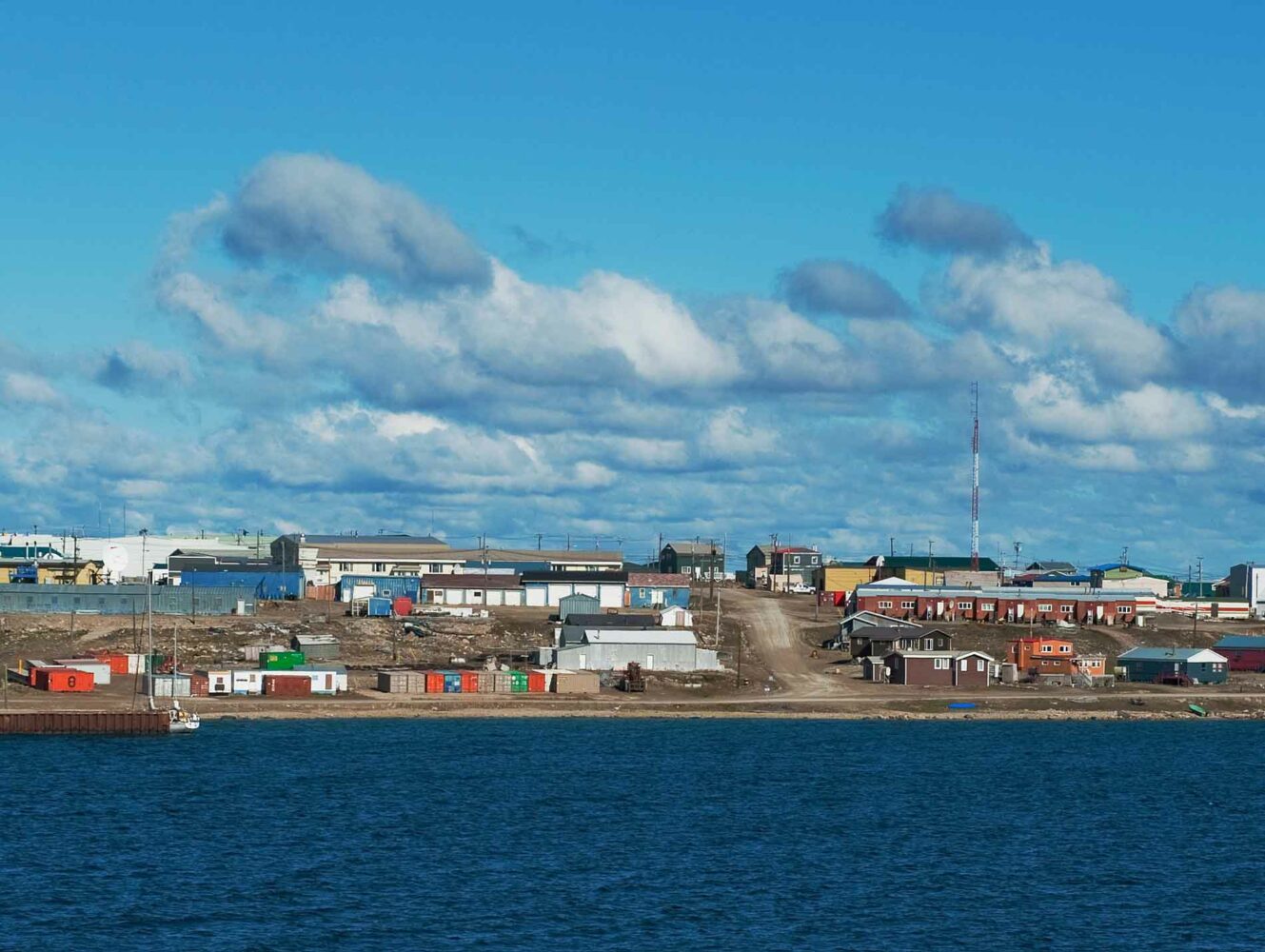
One significant pillar of modern Arctic economies is resource extraction. Regions rich in oil, natural gas, and minerals have seen substantial development, particularly in Alaska and parts of Canada. This sector often brings significant capital and employment opportunities, but also raises concerns about environmental impact and the equitable distribution of benefits.
The commercial fishing industry is another vital economic driver, especially for coastal communities. From salmon and halibut in Alaska to shrimp and turbot in Nunavut, commercial fisheries provide jobs, generate revenue, and support local processing facilities, often alongside continued subsistence fishing practices.
Tourism is an increasingly important sector. Cultural tourism, focusing on Indigenous art, history, and way of life, offers unique experiences for visitors and provides income for local artists and guides. Adventure tourism, including wildlife viewing, arctic cruises, and northern lights tours, also contributes significantly to regional economies.
The arts and crafts sector remains a powerful expression of cultural identity and a source of income. Intricate carvings, traditional clothing, jewelry, and paintings by Indigenous artists are highly valued globally, supporting individual artisans and community cooperatives.
Government and public services are major employers in many remote Arctic communities. These roles span administration, healthcare, education, and infrastructure maintenance, providing stable jobs and essential services, often funded through federal or territorial programs.
Crucially, the subsistence economy continues to underpin the well-being of many Indigenous Arctic communities. Hunting, fishing, and gathering are not just about food security; they are integral to cultural identity, social cohesion, and the transmission of traditional knowledge. This blend of traditional and market economies defines much of the Arctic’s unique economic fabric.
Key Challenges to Economic Development
Climate change poses an existential threat to Arctic economies. Melting sea ice impacts hunting routes and marine ecosystems, while thawing permafrost damages infrastructure like roads, runways, and buildings, leading to immense repair costs and disruptions to daily life and economic activity.
Infrastructure deficiencies are pervasive. Many communities lack reliable and affordable access to modern transportation, high-speed internet, and stable energy sources. These gaps hinder business development, limit educational opportunities, and increase the cost of living and operating businesses.

Education and training opportunities, while improving, still face challenges in meeting local needs and preparing residents for diverse modern jobs. Bridging skill gaps and developing local capacity are critical for Indigenous communities to fully participate in and lead their own economic development.
Access to capital is often limited for Indigenous entrepreneurs and community-led projects. Remote locations, unique land ownership structures, and a lack of collateral can make it difficult to secure loans or investments from mainstream financial institutions.
The sheer geographic remoteness of many Arctic communities translates into higher costs for goods, services, and construction. This ‘northern premium’ affects everything from food prices to the feasibility of new businesses, making economic viability a constant challenge.
Balancing economic development with cultural preservation is a delicate act. Many communities strive for development that respects traditional values, languages, and practices, ensuring that progress does not come at the expense of their unique heritage.
Pathways to Sustainable Growth and Self-Determination
Indigenous-led governance and self-determination are fundamental to achieving sustainable economic development. When communities have control over their resources, policies, and futures, they can make decisions that align with their cultural values and long-term well-being.
A powerful example of Indigenous economic empowerment is the system of Alaska Native Corporations (ANCs). Established under the Alaska Native Claims Settlement Act (ANCSA) of 1971, these corporations own vast tracts of land and are mandated to operate for the benefit of their shareholders, who are Alaska Native people.
ANCs have diversified into numerous sectors, including oilfield services, construction, tourism, government contracting, and real estate. They provide employment, dividends, and cultural programs, playing a crucial role in the economic stability and growth of Alaska’s Indigenous populations.
In Canada, comprehensive land claims agreements, such as those that created Nunavut and Nunavik, have granted Inuit significant self-governance rights and ownership over land and resources. These agreements provide a foundation for Inuit-led economic development strategies, focusing on local priorities and cultural relevance.
Renewable energy initiatives are gaining traction. Communities are exploring solar, wind, and hydro power to reduce reliance on expensive and polluting diesel fuel, creating local jobs, enhancing energy security, and contributing to global climate action.
Advances in technology and digital connectivity are transforming the Arctic. Improved internet access opens doors for remote work, e-commerce, online education, and telemedicine, reducing the disadvantages of geographic isolation and fostering new economic opportunities.
Food security initiatives, including community gardens, traditional food harvesting programs, and local processing facilities, are vital for health and economic resilience, reducing dependence on expensive imported foods and strengthening local food systems.
Recognizing cultural heritage and language revitalization not just as social goods, but as economic drivers, creates opportunities in cultural tourism, arts, education, and media, reinforcing identity while generating income.
Addressing Common Questions About Arctic Indigenous Economies
When people ask about the main economic activities, it’s clear they are incredibly diverse. They range from traditional subsistence hunting and fishing, which remains vital, to modern industries like resource extraction (oil, gas, mining), commercial fisheries, tourism, arts and crafts, and significant employment within government and public services.
Climate change has profoundly impacted Indigenous economies by threatening traditional food sources through altered migration patterns and habitat destruction. It also causes extensive damage to infrastructure due to permafrost thaw and coastal erosion, leading to increased costs and reduced accessibility for economic activities.
Traditional practices play a fundamental role in modern economies, not just through subsistence, but by informing sustainable resource management, inspiring cultural tourism, and providing a foundation of traditional knowledge that can guide contemporary development in culturally appropriate ways. They are integral to identity and community resilience.
Alaska Native Corporations (ANCs) are unique, for-profit corporations established by the Alaska Native Claims Settlement Act (ANCSA) of 1971. They were created to settle land claims and provide economic benefits to Alaska Native people. These corporations own land and subsurface rights, operating diverse businesses to generate profits and provide dividends, employment, and cultural programs for their shareholders.
Arctic Indigenous communities balance development with cultural preservation through self-governance, ensuring that development projects align with community values and priorities. They often integrate traditional knowledge into modern resource management, promote cultural tourism, and invest in language and cultural revitalization programs, seeking sustainable pathways that honor their heritage.
The Future of Arctic Indigenous Economies
The future of economic development in Indigenous Arctic communities is characterized by resilience, innovation, and a strong drive towards self-determination. Despite ongoing challenges, these communities are actively shaping their destinies, harnessing both traditional wisdom and modern opportunities.
Collaborative partnerships, both within the Arctic and with external entities, are crucial. These collaborations can bring investment, expertise, and shared benefits, provided they are built on respect, equity, and genuine partnership.
In summary, the economic development of Indigenous Arctic communities is a complex tapestry woven from ancient traditions and modern aspirations. It is a story of adapting to environmental shifts, navigating global markets, and steadfastly pursuing self-determination and sustainable prosperity while upholding rich cultural heritages. The journey ahead will undoubtedly require continued innovation, strong leadership, and a deep commitment to community well-being.


