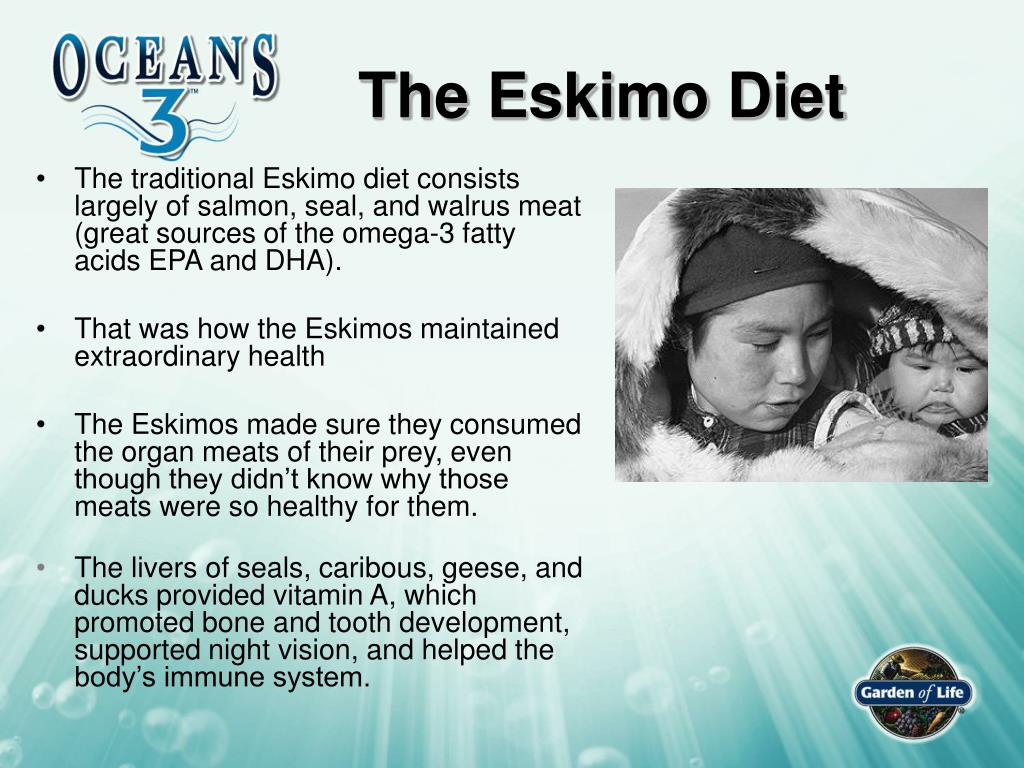
The traditional diet of the Inuit people, often colloquially referred to as the ‘Eskimo diet,’ has long fascinated scientists and health enthusiasts alike. Living in one of the world’s harshest environments, the Inuit historically thrived on a diet remarkably different from what modern dietary guidelines recommend, particularly in its high fat and protein content, with minimal carbohydrates.
For decades, observations suggested a paradox: despite consuming vast amounts of animal fat, traditional Inuit populations appeared to exhibit low rates of cardiovascular disease. This intriguing phenomenon sparked widespread research into the unique nutritional profile of their diet and its potential links to longevity and robust health.
This comprehensive article will delve into the intricacies of the traditional Inuit diet, examine the scientific evidence supporting and challenging the ‘Eskimo Paradox,’ and explore what lessons can be drawn for modern dietary practices. We will also address common questions regarding this remarkable dietary approach.
Understanding the Traditional Inuit Diet: A Harsh Environment, Unique Adaptation
The traditional Inuit diet is a direct reflection of the Arctic environment. With limited access to agriculture, the Inuit adapted to rely almost entirely on local wildlife for sustenance. Their food sources were primarily marine mammals, fish, and to a lesser extent, land animals and foraged plants during the brief summer months.
Key components included seals, whales (beluga, narwhal), various fish species (salmon, char, cod), caribou, and migratory birds. Every part of the animal was utilized, from muscle meat and blubber to organs and even blood, ensuring maximum nutrient intake in a resource-scarce region.
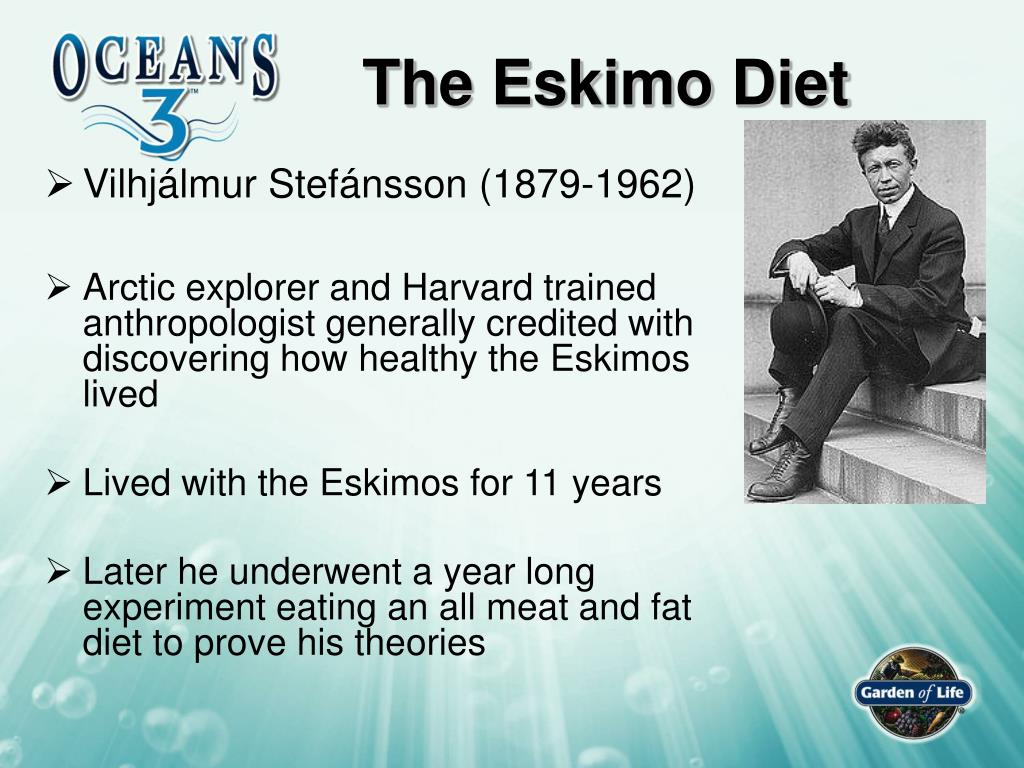
Unlike Western diets, the traditional Inuit diet was extremely low in carbohydrates, as grains, fruits, and vegetables were virtually non-existent. Instead, it was rich in fat, which provided essential energy for warmth and survival, and protein, crucial for tissue repair and function.
Nutritional Pillars: High Fat, High Protein, and Micronutrient Ingenuity
The high fat content of the Inuit diet was not merely about quantity but also quality. Marine mammal fats are distinct, being rich in polyunsaturated fatty acids, particularly the omega-3 fatty acids EPA (eicosapentaenoic acid) and DHA (docosahexaenoic acid). These fats are known for their anti-inflammatory and cardiovascular benefits.
Protein intake was also substantial, providing the building blocks for muscles and enzymes. The consumption of lean meats and fish ensured a steady supply of essential amino acids, vital for maintaining physiological functions in a demanding environment.
A common question arises: How did the Inuit obtain essential vitamins and minerals without fruits and vegetables? The answer lies in their nose-to-tail approach. Organ meats, such as liver and kidneys, are incredibly nutrient-dense, providing ample amounts of Vitamin C, Vitamin D, Vitamin A, B vitamins, iron, and other critical minerals.
For instance, fresh seal liver is a potent source of Vitamin C, preventing scurvy, a disease typically associated with Vitamin C deficiency in diets lacking fresh produce. Consuming fresh blood and skin also contributed to their micronutrient intake.
The Longevity Question: Early Observations and the ‘Eskimo Paradox’
The ‘Eskimo Paradox’ emerged from observations in the 1970s, particularly from studies on Greenlandic Inuit populations. Researchers noted that despite a diet high in fat, these populations appeared to have a lower incidence of heart disease compared to Western societies. This led to the hypothesis that the high intake of omega-3 fatty acids from marine sources was protective against cardiovascular ailments.
These early findings ignited immense interest in omega-3s, leading to countless studies and the widespread recommendation of fish oil supplements. The idea was that the unique fatty acid profile of marine fats counteracted the typical negative effects associated with high fat consumption.
However, interpreting historical data on indigenous populations can be complex. Factors such as genetic predispositions, different disease classification methods, limited access to modern medical diagnostics, and a distinct lifestyle (high physical activity) could have influenced these early observations.
Revisiting Cardiovascular Health: What Modern Science Says
More recent and rigorous research has provided a more nuanced view of the ‘Eskimo Paradox.’ While the benefits of omega-3 fatty acids are well-established, some studies suggest that the low rates of heart disease in traditional Inuit populations might have been overstated or misinterpreted.
Some contemporary research indicates that while traditional Inuit diets might have offered certain protections, the overall picture of cardiovascular health among Inuit populations is complex. Genetic studies have revealed unique adaptations in Inuit populations that allow them to metabolize fatty acids differently, potentially influencing their lipid profiles and disease susceptibility.
For example, a specific genetic variant (CPT1A) common in Inuit populations is associated with altered fatty acid metabolism, which may have been advantageous in adapting to a high-fat, low-carbohydrate diet, but could also have implications for health in a Westernized dietary context.
Beyond Heart Health: Other Health Implications and the Shift to Western Diets
Beyond cardiovascular health, the traditional Inuit diet offered other advantages. High Vitamin D intake from fatty fish and marine mammal blubber was crucial for bone health, especially in regions with limited sunlight. The physical demands of hunting and daily life also contributed to overall fitness and robust health.
However, the introduction of Westernized diets, characterized by processed foods, refined carbohydrates, sugar, and unhealthy fats, has dramatically impacted Inuit health. Today, many Inuit communities face a severe health crisis, with alarmingly high rates of obesity, Type 2 diabetes, and cardiovascular disease.
This stark contrast highlights that it is not merely ‘fat’ but the type of fat, the nutrient density of whole foods, and the overall lifestyle that contribute to health outcomes. The traditional diet, intertwined with a physically active existence, provided a complete nutritional and lifestyle package.
Lessons from the Arctic: Applying Principles to Modern Diets
- Prioritize Whole, Unprocessed Foods: The cornerstone of the traditional diet was food in its most natural state, devoid of additives and processing.
- Emphasize Nutrient Density: Focus on foods that pack a powerful nutritional punch, like organ meats, fatty fish, and lean proteins.
- Choose Quality Fats: Incorporate sources of beneficial omega-3 fatty acids, such as fatty fish (salmon, mackerel, sardines), into your diet.
- Respect Food Sources: Understand where your food comes from and how it’s produced, fostering a connection to sustainable and ethical consumption.
- Balance Macronutrients: While the Inuit diet was high in fat and protein, individual needs vary. The key is finding a balance that supports your health goals with nutrient-rich options.
The traditional Inuit diet serves as a powerful reminder of humanity’s incredible adaptability and the profound impact of diet on health and survival in extreme conditions. It underscores the importance of nutrient-dense, whole foods tailored to environmental and physiological needs.
Why do Eskimos eat a lot of fat? Historically, fat provided essential energy, warmth, and vital fat-soluble vitamins (A, D, E, K) in an environment where carbohydrates were scarce. Marine fats, in particular, offered a unique profile of beneficial omega-3 fatty acids.
Do Inuit people get heart disease? Traditionally, rates were believed to be low due to their unique diet and lifestyle. However, with the adoption of Western diets, Inuit populations now experience significantly higher rates of heart disease, diabetes, and obesity.
How long do Eskimos live? Historical longevity data for traditional Inuit populations is scarce and often based on estimations. Lifespans were likely influenced by harsh environmental conditions, accidental deaths, and infectious diseases. Today, modern Inuit lifespans are influenced by a mix of traditional and modern factors, including access to healthcare, but also the impact of dietary shifts and social challenges.
Is the Inuit diet healthy? The traditional Inuit diet was highly adapted and healthy for the environment and lifestyle of the time, providing all necessary nutrients. However, the modern, Westernized Inuit diet is associated with significant health challenges.
Conclusion: A Legacy of Adaptation and Nutritional Wisdom
The ‘Eskimo diet’ and its relationship to longevity offer a compelling narrative of human adaptation and nutritional science. While the initial ‘paradox’ might be more complex than first assumed, the traditional Inuit diet undeniably provides valuable insights into the power of whole, nutrient-dense foods, particularly those rich in specific fatty acids.
It teaches us that optimal health is not solely about restricting certain macronutrients but about the quality of food, its nutrient composition, and its synergy with an active lifestyle. As we navigate modern dietary choices, the wisdom gleaned from Arctic nutrition encourages us to appreciate indigenous dietary practices and their profound connection to well-being.
Ultimately, the legacy of the Inuit diet reminds us that our nutritional needs are deeply intertwined with our environment and heritage, offering a powerful blueprint for considering our own dietary choices in the pursuit of health and longevity.


