
Eskimo art, more accurately referred to as Inuit art, is a powerful testament to the resilience, spirituality, and profound connection to nature held by the indigenous peoples of the Arctic. Far more than mere decoration, each carving, print, and sculpture is imbued with layers of symbolism, reflecting a worldview shaped by the harsh yet beautiful Arctic environment.
Understanding the symbolism within Inuit art is akin to reading a visual language, one that communicates stories, beliefs, and the very essence of a culture. For centuries, these artistic expressions have served as a means of storytelling, spiritual connection, and a way to pass down knowledge from one generation to the next.
While the term ‘Eskimo’ has historical usage, ‘Inuit’ is the preferred and respectful term for the indigenous people of the Canadian Arctic. Their art forms, often characterized by their organic shapes, tactile qualities, and dynamic compositions, offer a window into their unique cultural heritage.
The origins of Inuit art stretch back thousands of years, with early artifacts demonstrating an innate artistic sensibility and a deep understanding of their environment. From utilitarian tools adorned with intricate designs to small figurines used for spiritual purposes, art has always been an integral part of Inuit life.
With the introduction of new tools and materials, and eventually, the establishment of cooperatives in the mid-20th century, Inuit art gained international recognition. This period saw a flourishing of artistic expression, allowing artists to translate their rich oral traditions and spiritual beliefs into tangible forms.
Understanding Core Themes in Inuit Symbolism
At the heart of Inuit art symbolism lies the relationship between humanity and the animal kingdom, and the intricate balance within the natural world. Animals are not just sources of sustenance; they are often seen as spiritual beings, guides, and representations of various human qualities.
Animals as Spiritual Guides and Sustenance
The Polar Bear: Strength and Resilience. The polar bear is perhaps the most iconic animal in Inuit art, frequently depicted with a sense of immense power and grace. It symbolizes strength, endurance, and the spirit of survival in the Arctic wilderness. Often shown hunting or in a protective stance, it embodies the formidable yet revered nature of the Arctic’s dominant predator.
The Seal: Life-Giver and Connection to the Sea. Seals are fundamental to Inuit survival, providing food, oil, and clothing. In art, the seal represents life, sustenance, and the vital connection to the ocean. Carvings often depict seals in graceful, fluid forms, highlighting their importance and the reverence held for them.
The Caribou: Sustenance and Migration. The caribou, much like the seal, is a cornerstone of Inuit traditional life. Its depiction in art often emphasizes its migratory patterns and its role in providing essential resources. It can symbolize journey, community, and the cyclical nature of life.
Birds: Messengers and Spirits. Various birds hold significant meaning. The raven, a trickster figure in many indigenous cultures, often symbolizes transformation, magic, and wisdom. Owls can represent wisdom and observation, while loons are often associated with beauty, tranquility, and the spirit of the northern waters.
The Whale: Power and Abundance. Whales, particularly the beluga and bowhead, are colossal creatures of the Arctic seas. Their depictions often convey immense power, majesty, and abundance. They can also symbolize the vastness and mystery of the ocean.
The Wolf: Hunter and Family. While less common than bears or seals, the wolf represents the skilled hunter, intelligence, and strong family bonds. Its presence in art can evoke themes of wilderness, cunning, and communal strength.
Human and Mythological Figures: The Spiritual Realm

The Shaman: Intermediary Between Worlds. Shamans, or Angakkuq, were central figures in traditional Inuit society, acting as intermediaries between the human and spirit worlds. Their artistic representations often depict them in states of trance or transformation, communicating with spirits, healing, or guiding hunts. These figures embody spiritual power, healing, and connection to the unseen.
Sedna: Goddess of the Sea and Marine Animals. Sedna is one of the most significant mythological figures in Inuit culture, a powerful goddess who controls the marine animals. Her story, often one of sacrifice and transformation, is frequently depicted in carvings. Sedna symbolizes the bounty of the sea, the consequences of disrespecting nature, and the deep spiritual connection to the ocean’s resources. Carvings of Sedna often show her with fish or seals, or with a fish-like tail.
Transformation Figures: Blurring Boundaries. A recurring and captivating theme in Inuit art is transformation – the metamorphosis of human into animal, or vice versa. These powerful images reflect the fluid boundaries between the physical and spiritual realms, and the belief that all living things share a common spirit. They often depict a creature part-human, part-animal, symbolizing spiritual journeys, shamanic experiences, and the interconnectedness of all life.
Mother and Child: Nurturing and Continuity. Depictions of a mother and child are universal symbols of nurturing, protection, and the continuity of life. In Inuit art, they often convey the strength of family bonds, the importance of child-rearing in a challenging environment, and the hope for future generations.
Cultural Symbols and Daily Life
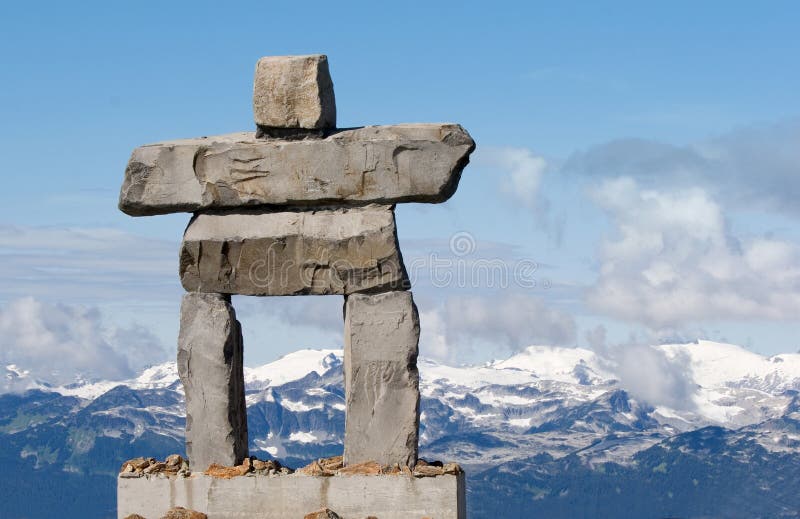
The Inuksuk: Direction, Memory, and Community. The Inuksuk, a stone landmark built by the Inuit, holds profound meaning. In art, it symbolizes guidance, survival, memory, and the human presence in the vast Arctic landscape. Inuksuit (plural) mark paths, hunting grounds, caches, or simply signify that someone has been there, representing community and cooperation.
Traditional Tools: Ulu, Harpoon, Kayak. Even utilitarian objects carry symbolic weight. The ulu, a crescent-shaped knife, represents women’s work, domesticity, and the essential skills for daily life. Harpoons and kayaks symbolize hunting prowess, survival, and the intimate knowledge of the environment required for sustenance.
Drum Dancers: Celebration and Storytelling. Drum dancing is a vital part of Inuit cultural expression, combining music, movement, and storytelling. Art depicting drum dancers captures moments of celebration, community gathering, and the oral tradition that preserves history and myths.
Materials and Their Symbolic Resonance
The materials used in Inuit art are not chosen arbitrarily; they often carry their own symbolic weight, reflecting the environment from which they are sourced and the spirit of the creatures they once were.
Soapstone: The Earth’s Embrace. Soapstone, with its soft, malleable nature and varying colors, is a favored medium for carvings. It connects the artwork directly to the land, representing the earth’s bounty and the raw material that shapes life.
Bone and Ivory: Echoes of Life and Hunt. Carvings made from bone and ivory (from walrus tusk or whale bone) directly link the art to the animals that sustained the Inuit. These materials carry the essence of the hunt, respect for the animal, and the cycle of life and death in the Arctic.
Antler: Renewal and Growth. Caribou antlers, shed annually, symbolize renewal, growth, and the cyclical nature of life. They are often used for delicate carvings, highlighting their intricate forms.
Printmaking: Modern Medium, Ancient Stories. While a more recent artistic development, printmaking in Inuit communities has become a powerful way to disseminate traditional stories and imagery. It allows for broader sharing of complex narratives and cultural symbols, reaching audiences far beyond the Arctic.
The Role of Inuit Art in Storytelling and Cultural Preservation
Inuit carvings and other art forms are more than just aesthetic objects; they are vital vessels for storytelling. Each piece often encapsulates a narrative, a myth, a historical event, or a personal experience. They preserve the rich oral traditions of the Inuit, ensuring that the wisdom, humor, and spiritual insights of generations are not lost.
This emphasis on narrative makes Inuit art incredibly accessible and engaging. Viewers are invited to interpret the stories, to feel the connection to the land and its creatures, and to appreciate the profound understanding of the world held by the artists.
Contemporary Inuit Art: Bridging Past and Present
Today, Inuit artists continue to create powerful works that honor their traditions while embracing contemporary influences. They explore new materials, techniques, and themes, but the underlying commitment to cultural identity and symbolic expression remains strong. Contemporary pieces often reflect modern challenges and perspectives, alongside timeless narratives.
Artists like Kenojuak Ashevak, Pitseolak Ashoona, and Osuitok Ipeelee are celebrated for their contributions, showcasing the enduring vitality and evolving nature of Inuit artistic expression. Their work, and that of countless others, ensures that the rich symbolic language of Inuit art continues to resonate globally.
Conclusion: The Enduring Legacy of Inuit Art Symbolism
The symbolism woven into Eskimo, or more appropriately, Inuit art offers a profound and captivating journey into the heart of Arctic culture. From the mighty polar bear to the mythical Sedna, each symbol tells a story of survival, spiritual connection, and an intimate relationship with the natural world.
These powerful artistic expressions serve as a bridge between past and present, preserving ancient wisdom while continually evolving. To truly appreciate Inuit art is to engage with its deep symbolic meanings, recognizing it not just as beautiful craftsmanship, but as a vibrant, living testament to an extraordinary people and their enduring cultural heritage.


