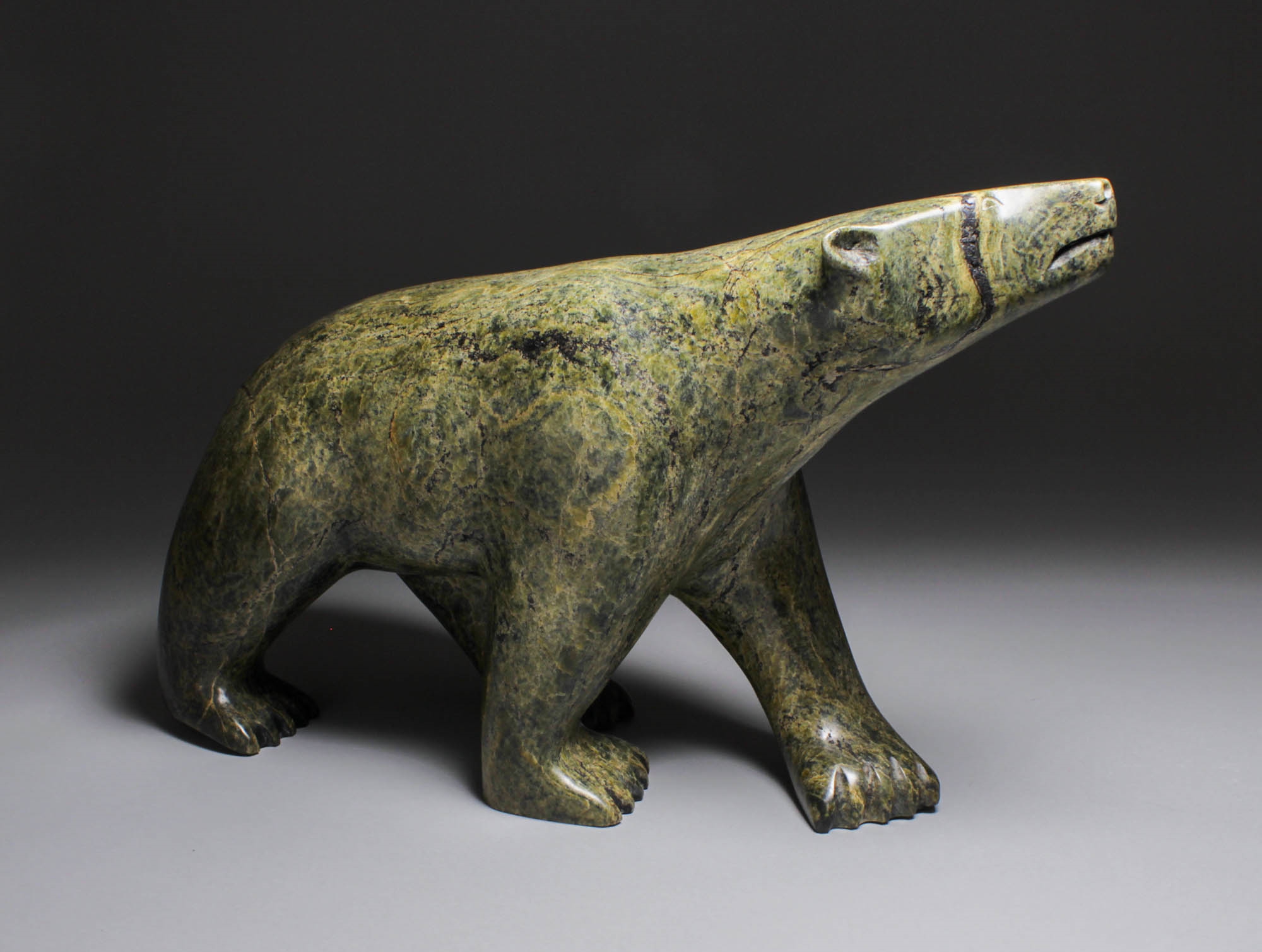

Eskimo art, encompassing the artistic expressions of the Inuit and Yupik peoples across the Arctic regions, is more than just aesthetically pleasing; it’s a profound reflection of culture, history, and survival. This art form, deeply intertwined with the environment and spiritual beliefs, offers a unique window into the lives of those who have thrived in some of the world’s harshest conditions.
From intricately carved ivory figurines to meticulously crafted masks and clothing, Eskimo art tells stories of hunting, family, mythology, and the delicate balance between humans and nature. Understanding the cultural significance of Eskimo art requires delving into its historical context, the materials used, and the meanings embedded within each piece.
This comprehensive guide explores the various facets of Eskimo art, providing insights into its cultural importance, artistic techniques, and the enduring legacy of the Arctic’s indigenous people.
The Historical Context of Eskimo Art
Eskimo art has evolved over thousands of years, reflecting the changing environments and cultural interactions of the Inuit and Yupik peoples. Archaeological evidence suggests that early forms of Eskimo art date back to the Bering Sea cultures, with intricate carvings found at ancient sites.
Traditionally, Eskimo art served practical and spiritual purposes. Tools and weapons were often decorated with animal motifs or spirit figures, believed to enhance their effectiveness and provide protection to the hunter. Clothing was adorned with intricate embroidery and beadwork, signifying status and clan affiliation. Masks were created for ceremonial dances, representing spirits and mythical beings.


The arrival of European traders and missionaries in the Arctic regions brought significant changes to Eskimo society and art. New materials, such as glass beads and metal tools, were introduced, influencing artistic techniques and styles. The demand for souvenirs and curiosities also led to the production of art specifically for trade, impacting the traditional functions and meanings of these objects.
The Influence of Trade and Cultural Exchange
The introduction of trade had a profound impact on Eskimo art. While it provided access to new materials and markets, it also led to the commodification of traditional art forms. Artists began to create pieces specifically for sale, often adapting their styles and themes to appeal to Western tastes.
Despite these changes, Eskimo art has retained its cultural significance and continues to be a powerful means of expressing identity and preserving traditions. Many contemporary Eskimo artists are actively engaged in revitalizing traditional techniques and incorporating modern themes into their work.
Materials and Techniques in Eskimo Art
The materials used in Eskimo art are largely determined by the Arctic environment. Ivory, bone, stone, wood, and animal hides are among the most common materials, each possessing unique qualities that influence the artistic process.
Ivory, particularly walrus and whale ivory, has long been a prized material for carving. Its smooth texture and durability make it ideal for creating intricate figurines, tools, and ceremonial objects. Bone, often sourced from caribou or marine mammals, is another versatile material used for carving and sculpting.
Stone, including soapstone, serpentine, and basalt, is used for creating sculptures and tools. The hardness and color of the stone influence the style and subject matter of the art. Wood, though less abundant in the Arctic, is used for creating masks, tools, and architectural elements. Driftwood, carried by ocean currents, is a valuable resource for coastal communities.
Animal hides, particularly those of caribou, seals, and bears, are used for creating clothing, tents, and other functional items. Intricate embroidery, beadwork, and painting adorn these hides, transforming them into works of art.


Carving and Sculpting Techniques
Eskimo artists employ a variety of carving and sculpting techniques, often using simple hand tools such as knives, chisels, and adzes. The artist’s skill lies in their ability to reveal the form hidden within the material, whether it be a walrus emerging from a piece of ivory or a spirit face appearing in a block of stone.
The process of carving ivory or bone often involves careful planning and precise execution. Artists use their knowledge of animal anatomy and behavior to create realistic and expressive figures. Stone carving requires patience and strength, as the artist gradually removes material to reveal the desired form.
Sewing and Embroidery Techniques
Sewing and embroidery are essential skills for creating clothing and other functional items. Eskimo women are renowned for their intricate stitching and decorative designs, often using sinew or plant fibers as thread. Beadwork, using glass beads obtained through trade, adds color and texture to clothing and accessories.
Themes and Motifs in Eskimo Art
Eskimo art is rich in symbolism and meaning, reflecting the spiritual beliefs, social structures, and environmental realities of the Inuit and Yupik peoples. Common themes include hunting, animals, family, mythology, and shamanism.
Animals play a central role in Eskimo art, representing both physical sustenance and spiritual power. Caribou, seals, whales, bears, and birds are frequently depicted in carvings, sculptures, and drawings. Each animal possesses unique characteristics and symbolic associations, reflecting its importance to the survival and cultural identity of the people.
Hunting scenes are another prevalent theme, depicting the skills and strategies used to procure food and resources. These scenes often portray the hunter in close proximity to the animal, emphasizing the respect and interdependence between humans and nature.
Family and community are also important themes, reflecting the strong social bonds and cooperative spirit of Eskimo society. Figures of mothers and children, elders, and community gatherings are common motifs.
Mythological beings and shamanic figures are frequently represented in Eskimo art, reflecting the spiritual beliefs and practices of the people. Shamans, or spiritual healers, play a vital role in mediating between the human and spirit worlds, and their images often appear in masks, carvings, and ceremonial objects.
The Significance of Animal Motifs
Animal motifs in Eskimo art are not merely decorative; they carry deep symbolic meanings. The caribou, for example, represents sustenance, migration, and community. The seal symbolizes resourcefulness, adaptability, and the connection to the sea. The whale represents abundance, power, and the cycle of life.
By depicting animals in their art, Eskimo artists honor their spirits and acknowledge their importance to the survival of the people. These images also serve as reminders of the need to respect and protect the natural environment.
The Role of Shamanism in Art
Shamanism is an integral part of Eskimo culture, and its influence is evident in many forms of art. Shamans are believed to possess the ability to communicate with the spirit world, heal the sick, and ensure successful hunts. Their images often appear in masks, carvings, and ceremonial objects, representing their power and connection to the supernatural.
Shamanic art often features transformations, depicting the shaman’s ability to shapeshift into animals or travel to different realms. These images can be both powerful and unsettling, reflecting the complex and mysterious nature of the spirit world.
Contemporary Eskimo Art
Contemporary Eskimo art builds upon traditional techniques and themes while incorporating modern materials and perspectives. Many contemporary artists are actively engaged in revitalizing traditional art forms and addressing contemporary issues such as climate change, cultural identity, and social justice.
Contemporary Eskimo art encompasses a wide range of media, including carving, sculpture, printmaking, painting, and mixed media. Artists are exploring new ways to express their cultural heritage and connect with audiences around the world.
The Impact of Globalization
Globalization has had a significant impact on contemporary Eskimo art, providing artists with access to new materials, markets, and audiences. However, it has also raised concerns about cultural appropriation and the commodification of traditional art forms.
Many contemporary Eskimo artists are actively working to protect their cultural heritage and ensure that their art is created and interpreted with respect and understanding.
Notable Contemporary Artists
Several contemporary Eskimo artists have gained international recognition for their innovative and thought-provoking work. These artists are pushing the boundaries of traditional art forms and using their art to address important social and environmental issues.
Preserving and Promoting Eskimo Art
Preserving and promoting Eskimo art is essential for safeguarding the cultural heritage of the Inuit and Yupik peoples. Museums, galleries, and cultural organizations play a vital role in showcasing Eskimo art and educating the public about its cultural significance.
Supporting contemporary Eskimo artists is also crucial for ensuring the continued vitality of this art form. By purchasing authentic Eskimo art and promoting the work of contemporary artists, we can help to sustain their cultural traditions and provide them with economic opportunities.
The Role of Museums and Galleries
Museums and galleries serve as important repositories of Eskimo art, preserving and exhibiting historical and contemporary works. These institutions also play a vital role in educating the public about the cultural context and significance of Eskimo art.
Supporting Contemporary Artists
Supporting contemporary Eskimo artists is essential for ensuring the continued vitality of this art form. By purchasing authentic Eskimo art and promoting the work of contemporary artists, we can help to sustain their cultural traditions and provide them with economic opportunities.
Conclusion
Eskimo art is a powerful expression of culture, history, and survival. From intricately carved ivory figurines to meticulously crafted masks and clothing, Eskimo art tells stories of hunting, family, mythology, and the delicate balance between humans and nature. Understanding the cultural significance of Eskimo art requires delving into its historical context, the materials used, and the meanings embedded within each piece.
By appreciating and supporting Eskimo art, we can help to preserve the cultural heritage of the Inuit and Yupik peoples and ensure that their artistic traditions continue to thrive for generations to come. The artistry reveals a resilience and deep connection to the Arctic environment, offering profound lessons about adaptation, community, and the enduring power of cultural expression. This art serves as a vital bridge, connecting the past with the present and offering a window into the soul of the Arctic people.
Through supporting artists, educating others, and respecting the cultural context, we ensure this art form continues to resonate and inspire.
Key Takeaways:
-
Eskimo art reflects the deep cultural and spiritual connection of the Inuit and Yupik peoples to the Arctic environment.
-
Traditional materials like ivory, bone, and animal hides are central to the art form.
-
Common themes include hunting, animals, family, shamanism, and mythology.
-
Contemporary Eskimo art builds upon traditional techniques while addressing modern issues.
-
Supporting Eskimo artists and cultural organizations is crucial for preserving this rich heritage.


