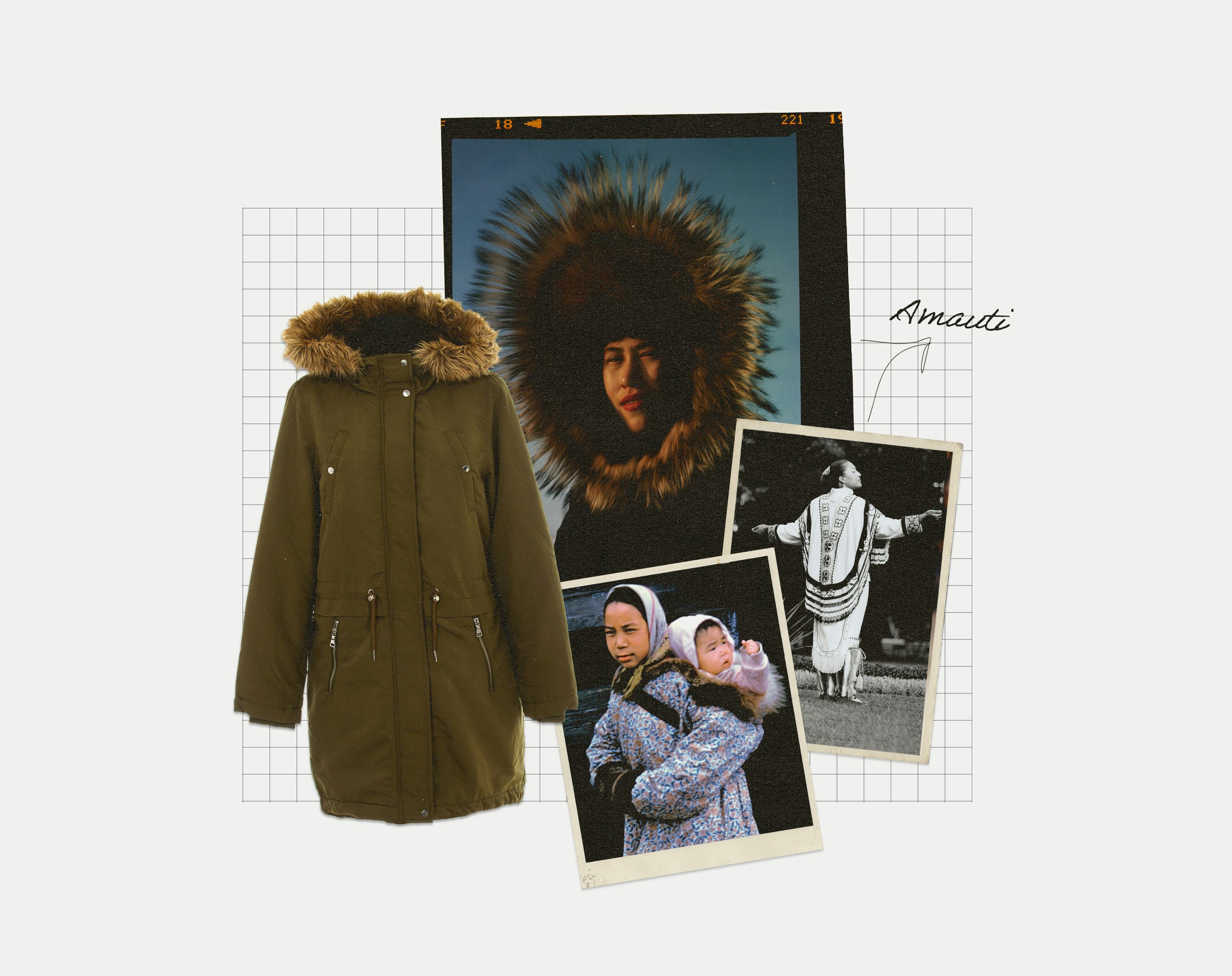
The anorak jacket, a ubiquitous piece of outerwear in cold climates and outdoor adventures, boasts a history as rich and rugged as the landscapes it was designed to conquer. Far from being a mere fashion statement or a modern invention, its origins lie deep within the Arctic, a direct product of the ingenious minds and survival needs of the Inuit and other indigenous peoples of the circumpolar region. To understand the anorak is to appreciate a profound legacy of human adaptation, innovation, and resilience in the face of extreme conditions.
For millennia, the inhabitants of the Arctic faced unparalleled challenges: unforgiving cold, biting winds, and relentless snow. Survival hinged on a deep understanding of the environment and the ability to craft highly effective tools and clothing. It was out of this necessity that the original anorak, known to the Inuit as annoraaq, was born.
The term "Eskimo" itself has a complex history. While once widely used, many indigenous communities, particularly in Canada and Greenland, prefer to be identified by their specific group names, such as Inuit, Yup’ik, or Inupiat. However, for historical context and broad understanding, the term "Eskimo anorak" is often still employed to refer to the jacket’s Arctic origins.
The annoraaq was more than just a coat; it was a sophisticated piece of engineered clothing, meticulously designed to offer unparalleled protection against the elements. Its primary purpose was to keep the wearer warm, dry, and shielded from the brutal Arctic winds and snow, crucial for hunters and daily life.
Traditional Design: A Masterclass in Arctic Engineering
Unlike many modern jackets, the traditional anorak was a pullover garment, meaning it had no front opening. This design was deliberate, minimizing entry points for wind and snow, thus trapping warm air more effectively inside the garment. This feature remains a defining characteristic of many anoraks today.
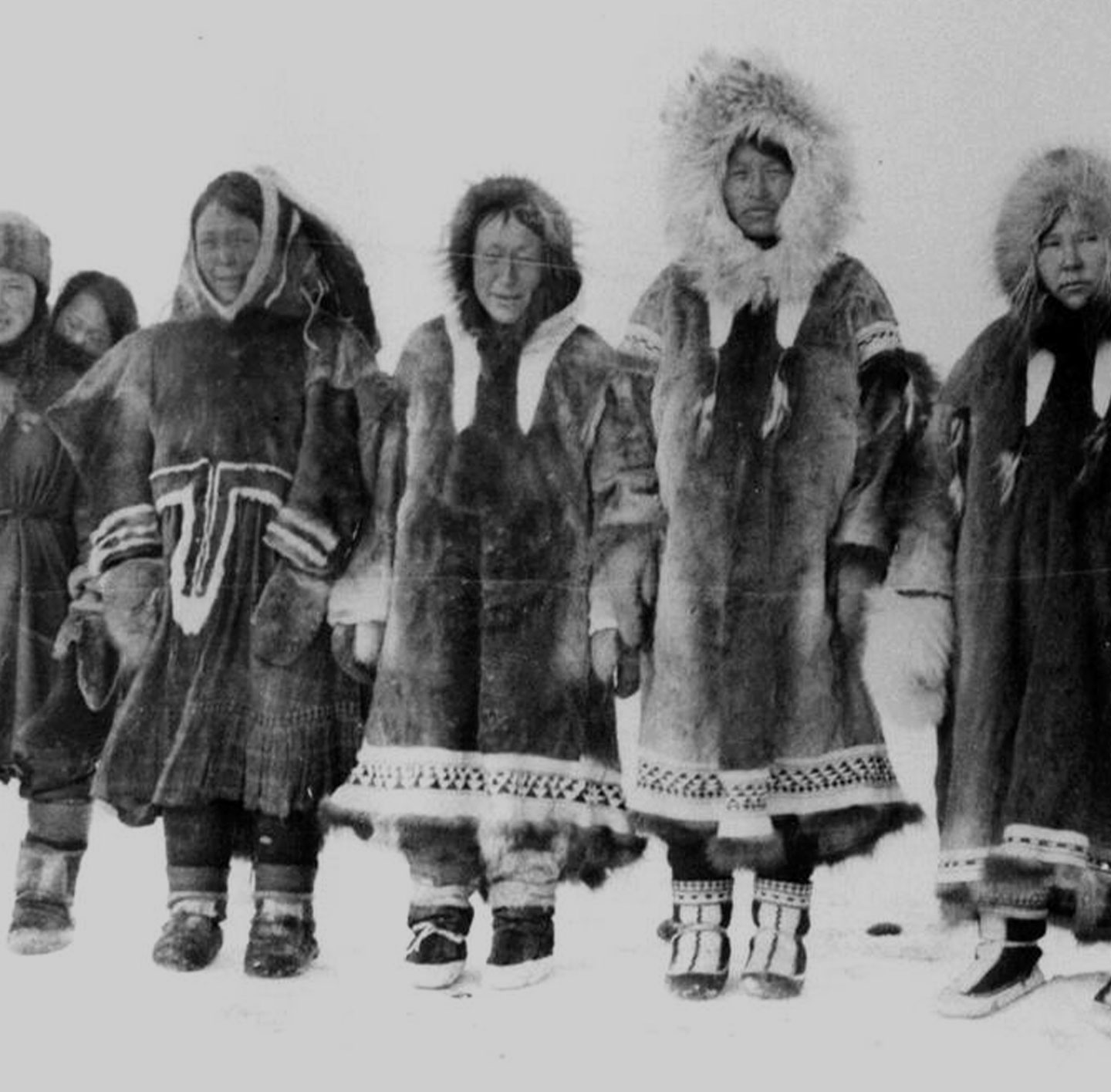
The hood was another critical element, often designed to be large and deep, lined with fur to protect the face from frostbite and provide an excellent barrier against wind and snow. The fur trim, typically from wolves, wolverines, or arctic foxes, created a microclimate around the face, warming incoming air and preventing ice buildup.
Materials were chosen for their superior insulating and water-resistant properties. Caribou hide, with its hollow hairs, provided exceptional warmth-to-weight ratio, while seal skin was prized for its natural water repellency. Different parts of the animal were used for different sections of the garment, showcasing a deep knowledge of material science.
Construction details were paramount for survival. Seams were often meticulously stitched and then sealed using various methods, including chewing the sinew to make it pliable and using animal fats or oils to create a waterproof barrier. Some garments even featured a double-layered construction, with an inner and outer anorak, providing a trapped air layer for enhanced insulation.
Cultural Significance and Craftsmanship
The creation of anoraks was a highly skilled craft, often passed down through generations. Women were typically the primary seamstresses, their expertise vital for the community’s survival. The quality of an anorak could mean the difference between life and death during a hunting expedition or a long journey across the tundra.
Beyond pure functionality, traditional anoraks often incorporated decorative elements. These might include intricate stitching patterns, contrasting fur trims, or small embellishments that signified tribal identity, status, or simply artistic expression. These details transformed a survival tool into a garment of cultural pride.
The anorak was central to the life of Arctic communities. It enabled long hunts in extreme cold, allowed for travel and relocation, and protected families from the harsh environment. Its design was refined over centuries, a testament to empirical knowledge and continuous innovation.
Evolution and Global Adoption: From Arctic to Mainstream
With the arrival of European explorers, traders, and whalers in the Arctic regions, the ingenious design of the anorak began its journey beyond its native lands. Westerners quickly recognized the superior functionality of this indigenous clothing, often adopting or adapting it for their own Arctic expeditions.
Early polar explorers like Robert Peary and Roald Amundsen relied heavily on traditional Inuit clothing, including parkas and anoraks, understanding that indigenous knowledge was key to surviving the extreme conditions. This exposure helped introduce the concept of the anorak to a wider global audience.
During the 20th century, the anorak’s design principles were adopted by various militaries for cold-weather gear, particularly for soldiers operating in snowy or mountainous terrain. Its windproof and often water-resistant pullover design proved highly effective in hostile environments.
The mid-20th century saw the anorak transition into mainstream outdoor and casual wear. Skiers, mountaineers, and hikers embraced its protective qualities. Manufacturers began to replicate the design using modern materials like cotton canvas, nylon, and eventually synthetic insulations, while retaining the core pullover concept.
Anorak vs. Parka: Clarifying the Terminology
It’s common to hear the terms "anorak" and "parka" used interchangeably, but historically, there’s a subtle distinction. While both originated in the Arctic and are designed for cold weather, the traditional anorak is a pullover jacket, typically hip-length, with a hood and drawstrings at the waist and cuffs. A parka, on the other hand, usually features a full-length front opening (zipper or buttons) and tends to be longer, often extending to the thighs or knees for greater warmth.
However, in modern usage, these distinctions have blurred significantly. Many garments marketed as "anoraks" now feature partial zippers or snaps, and some "parkas" might be shorter. The essence of the anorak’s pullover design, however, often remains a key identifier.
Modern Anoraks: A Legacy Continues
- Waterproof and breathable membranes: Such as Gore-Tex or similar technologies, offering superior protection without sacrificing comfort.
- Lightweight synthetic insulation: Providing warmth without bulk.
- Adjustable features: Cinch cords at the hem and hood, velcro cuffs for a customized fit.
- Specialized pockets: Designed for specific activities like skiing or hiking.
Despite these technological advancements, the fundamental design principles established by the indigenous peoples of the Arctic remain at the heart of the modern anorak. Its ability to create a protective shell against the elements, its efficient heat retention, and its robust construction are all direct descendants of the original annoraaq.
From high-performance mountaineering anoraks to casual windbreakers and stylish urban wear, the jacket continues to demonstrate its versatility and enduring appeal. It stands as a powerful reminder of how ancient wisdom and practical innovation can transcend cultures and centuries.
The Eskimo anorak jacket history is not just a tale of clothing; it is a narrative of human ingenuity, cultural exchange, and survival. It underscores the profound impact indigenous knowledge has had, and continues to have, on global design and technology. The next time you pull on an anorak, remember the remarkable journey it has taken, from the icy frontiers of the Arctic to your wardrobe.
This iconic garment, born of necessity and refined through generations of practical experience, remains a symbol of resilience and a testament to the timeless effectiveness of thoughtful design. Its story is woven into the very fabric of human history, a true pioneer in cold-weather protection.


.jpeg?w=200&resize=200,135&ssl=1 "Jobs Available On Indian Reservations")
