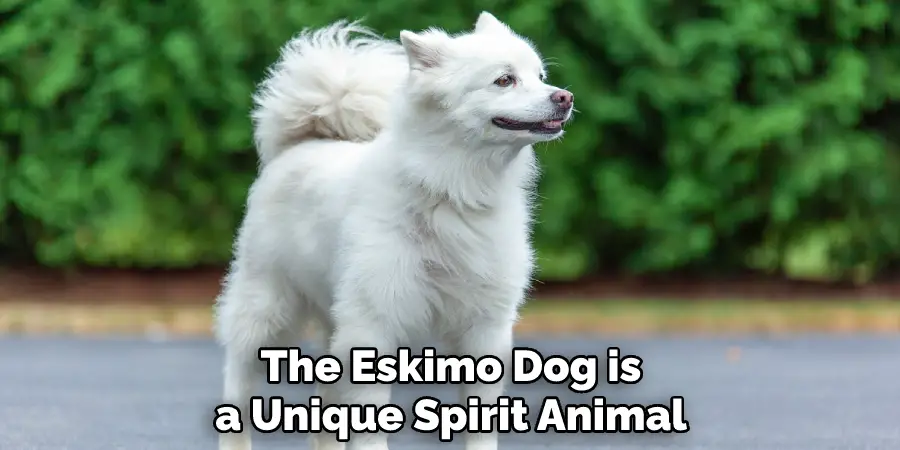
The vast, icy landscapes of the Arctic are home to some of the world’s most resilient indigenous cultures, often broadly referred to as ‘Eskimo peoples.’ More accurately known by their distinct group names, such as Inuit in Canada and Greenland, Yup’ik in Alaska and Siberia, and Iñupiat in Alaska, these communities share a profound and intricate spiritual relationship with the animals that inhabit their challenging environment.
This deep connection is not merely one of survival, where animals provide sustenance and materials; it is a holistic worldview where animals are seen as sentient beings, spiritual guides, and integral members of the cosmic order. Understanding these ‘Eskimo animal spiritual beliefs’ requires delving into an animistic perspective that permeates every aspect of life.
At the heart of these spiritual systems is animism, the belief that all objects, places, and creatures possess a distinct spiritual essence or soul. For Arctic indigenous peoples, this means that animals are not just flesh and blood; they embody spirits (inua) that must be respected, appeased, and understood. Every hunt, every encounter, is a sacred interaction.
Central to navigating this spirit-filled world are the Angakkuq, or shamans. These spiritual leaders and healers serve as intermediaries between the human and spirit realms. Through trance states, drumming, and sacred songs, they communicate with animal spirits, seek guidance, and restore balance when illness or misfortune strikes the community.
Shamans often rely on spirit helpers, which frequently take the form of specific animals. These animal guides assist the Angakkuq in their spiritual journeys, offering protection and insight. The ability to transform or shapeshift into an animal was also a powerful aspect of shamanic practice, symbolizing a deep unity with the animal kingdom.
The spiritual significance of animals directly influenced hunting practices. Hunting was never viewed as a mere act of killing but as a sacred exchange. Before a hunt, rituals might be performed to ask for the animal’s permission to be taken. After a successful hunt, specific protocols were followed to honor the animal’s spirit and ensure its willingness to return in the future.
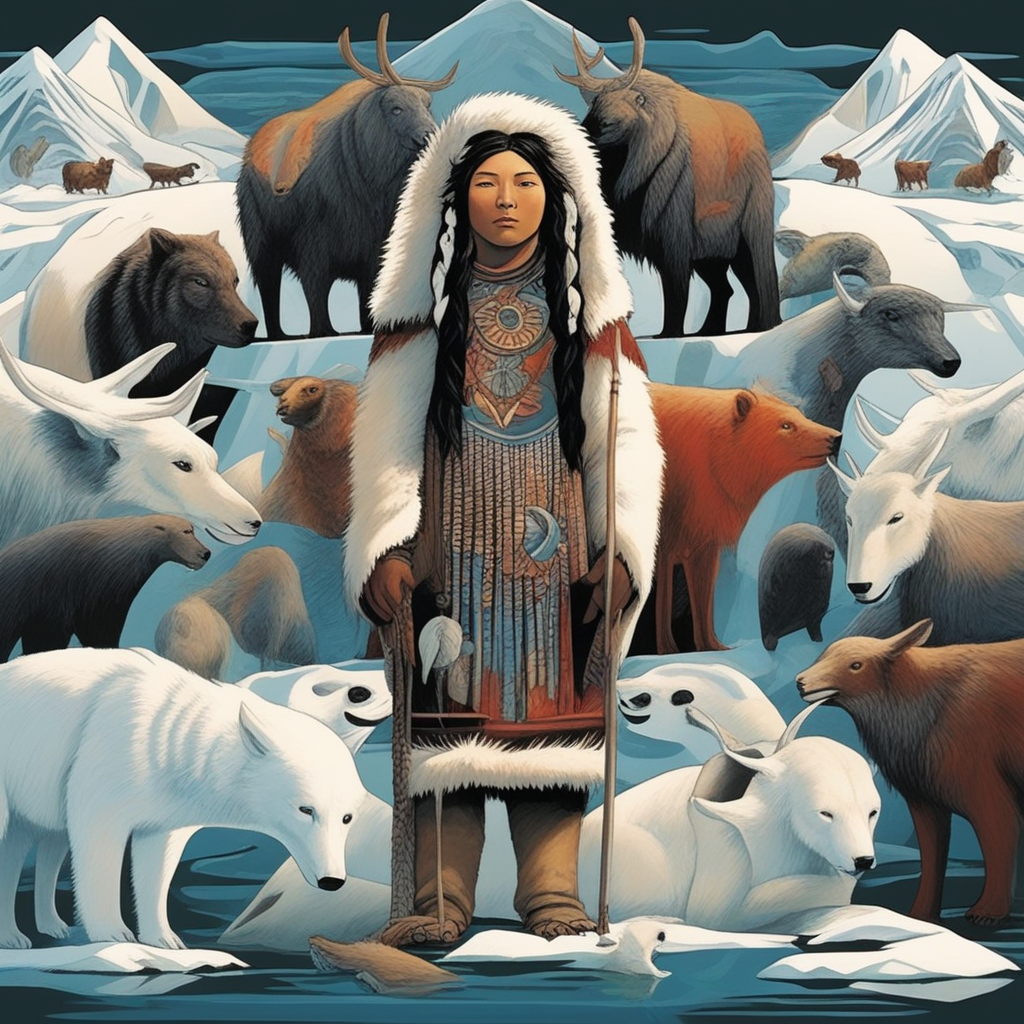
Gratitude was paramount. Hunters would offer thanks to the animal’s spirit, often returning a piece of the animal, such as its bladder, to the sea or land, believing that the spirit resided there and would be reborn. This practice underscored a profound understanding of ecological balance and sustainable resource management long before modern conservation concepts emerged.
Many taboos existed to maintain harmony with the animal spirits. For instance, specific rules governed what could be eaten together, how animal remains should be disposed of, and even what could be sewn with certain skins. Breaking these taboos was believed to offend the spirits, leading to poor hunting, illness, or other misfortunes for the community.
Among the myriad creatures of the Arctic, certain animals hold particular spiritual weight. The Polar Bear (Nanuk) is perhaps the most revered. Symbolizing strength, endurance, and the ultimate hunter, Nanuk is often seen as a powerful spirit guide. Stories tell of shamans who could take on the form of a polar bear, embodying its power and wisdom.
The Seal (Nattiq) is another incredibly vital animal, representing sustenance and life itself. Its blubber provided fuel, its meat food, and its skin clothing and shelter. Spiritually, the seal is a gift from the sea, and its spirit must be treated with the utmost respect to ensure its continued generosity to the people.
Whales, such as the Bowhead (Arvik) and Beluga (Qilalugaq), symbolize abundance, community, and ancient wisdom. Their immense size and migratory patterns connect them to the vastness of the ocean and the cycles of life. Whaling was a communal effort, imbued with deep spiritual significance, and successful hunts were occasions for profound celebration and gratitude.
The Caribou (Tuttu), with its vast migratory herds, represents provision and adaptability. Its movements dictated the lives of many inland communities, and its spirit embodies the generosity of the land. Caribou provided not only food but also hides for clothing and shelter, and antlers for tools.
The Raven (Tulugaq) is a prominent figure in many Arctic mythologies, often depicted as a trickster, creator, and bringer of light. Its intelligence and adaptability are highly respected. Raven stories teach moral lessons, explain natural phenomena, and reflect the cleverness required to survive in the Arctic.
The Wolf (Amaruq), a formidable hunter, is often associated with loyalty, family, and strategic hunting. While revered for its prowess, the wolf’s spirit also reminds humans of their place in the food chain and the delicate balance of predator and prey.
Other animals like the Arctic fox, the snowy owl, and the walrus also hold specific spiritual connotations, contributing to the rich tapestry of Arctic indigenous beliefs. Each animal’s unique characteristics are seen as reflections of spiritual truths and lessons for human behavior.
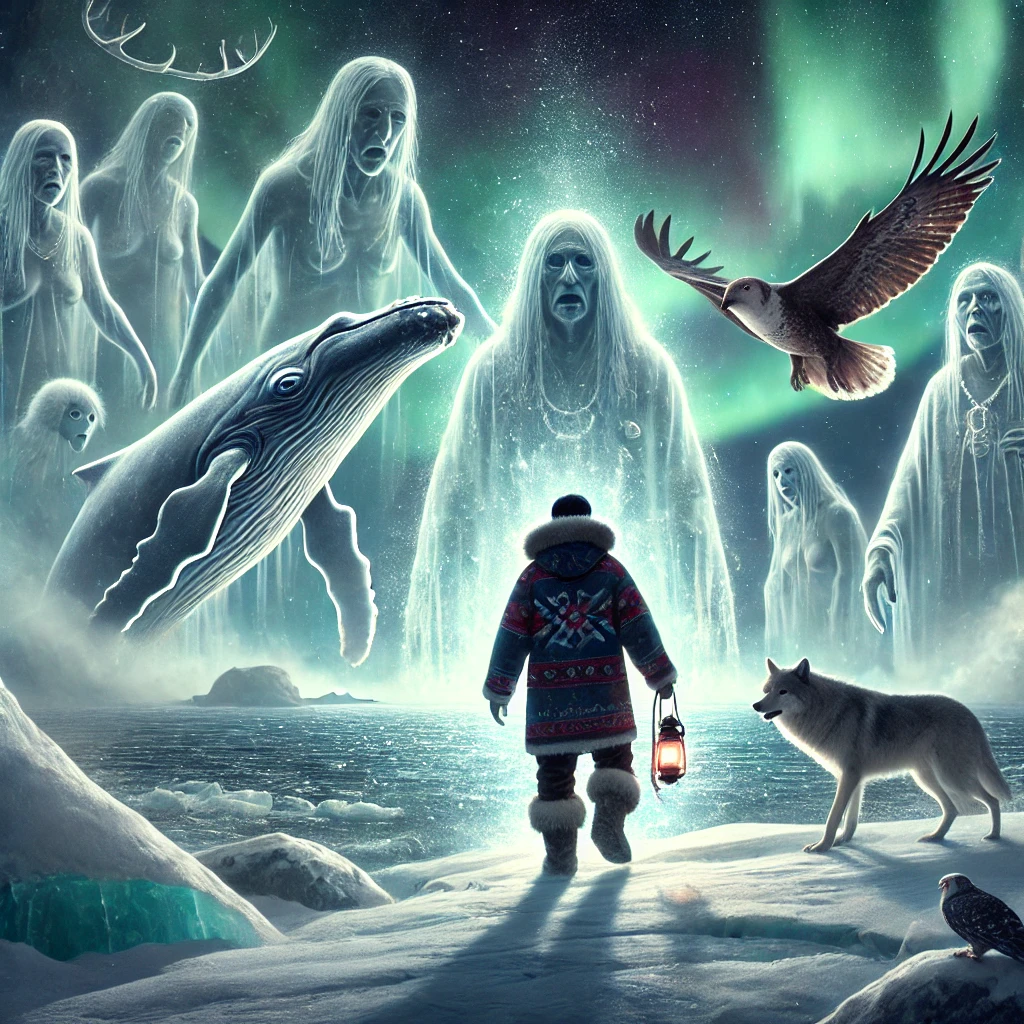
These spiritual beliefs are not abstract concepts but are woven into the very fabric of daily life, passed down through generations via oral traditions, storytelling, songs, and intricate artwork. Myths explain the origins of animals, their relationships with humans, and the consequences of disrespecting the natural world.
One of the most significant figures in Inuit mythology is Sedna (or Nuliajuk), the Mother of the Sea Animals. She is often depicted as a powerful deity who controls the availability of sea creatures. When humans disrespect animals or break taboos, Sedna’s anger can cause the animals to hide, leading to famine. Shamans would embark on spiritual journeys to her undersea dwelling to appease her and restore balance.
The concept of animal souls and a form of reincarnation is also present. It was believed that when an animal was respectfully hunted and its spirit honored, its soul would return to the spirit world and eventually be reborn, ensuring a continuous supply of game for the people. This cyclical view of life and death reinforced the importance of gratitude and ethical hunting.
Dreams and visions were also considered vital channels for communication with animal spirits. A dream of a particular animal might convey a warning, guidance, or a blessing, prompting individuals to reflect on their actions or prepare for future events.
In contemporary times, these traditional spiritual beliefs face new challenges, notably climate change, which profoundly impacts the animal populations and habitats central to their worldview. Despite these pressures, many Arctic indigenous communities are actively working to preserve and revitalize their ancestral knowledge and spiritual practices.
The resilience of these beliefs is a testament to their deep cultural roots and their continued relevance in fostering a respectful and sustainable relationship with the environment. They offer profound insights into living in harmony with nature, a lesson increasingly vital for the entire world.
It is crucial to approach these beliefs with respect and a desire for genuine understanding, avoiding cultural appropriation. Learning about these traditions allows for an appreciation of the rich diversity of human spiritual experience and the wisdom embedded in indigenous knowledge systems.
Animals are also a prominent feature in Inuit art, from intricate carvings in bone and stone to prints and sculptures. These artistic expressions often depict animals in dynamic poses, sometimes blending human and animal forms, reflecting the spiritual interconnectedness and the transformative power of the Angakkuq.
So, what are the spiritual beliefs of the Inuit? They are fundamentally animistic, centered on the belief that all living things, especially animals, possess spirits (inua) and are interconnected with humans and the cosmos. Shamanism plays a key role in mediating this relationship, emphasizing respect, gratitude, and balance.
What is the Inuit connection to animals? It’s a profound, spiritual, and reciprocal relationship. Animals are not just resources but kin, teachers, and spiritual guides. Their well-being is directly linked to human well-being, demanding ethical hunting, rituals of respect, and a continuous dialogue with the spirit world.
What animals are sacred to the Inuit? While all animals are respected, some hold particular significance. The
- Polar Bear (Nanuk)
- Seal (Nattiq)
- Whale (Arvik/Qilalugaq)
- Caribou (Tuttu)
- Raven (Tulugaq)
- Wolf (Amaruq)
are among those with deep spiritual meaning, often appearing in mythology, art, and shamanic practices.
What is the Inuit word for spirit? The most common term is inua, which refers to the spirit or life force within a living being or even an inanimate object. Another term, tuurngait (or tuurnait), refers specifically to helping spirits or familiar spirits, often associated with shamans.
In summary, the spiritual beliefs of Arctic indigenous peoples regarding animals are a testament to a holistic worldview that prioritizes balance, respect, and deep reverence for all life. These traditions offer a powerful framework for understanding humanity’s place within the natural world.
From the majestic polar bear to the life-sustaining seal, each creature plays a vital role not only in the physical survival but also in the spiritual and cultural identity of these communities. Their wisdom reminds us that true prosperity comes from living in harmony with the earth and all its inhabitants.
The enduring legacy of ‘Eskimo animal spiritual beliefs’ continues to inspire and inform, providing a poignant reminder of the profound spiritual connections that can exist between humanity and the animal kingdom, even in the most unforgiving environments.


