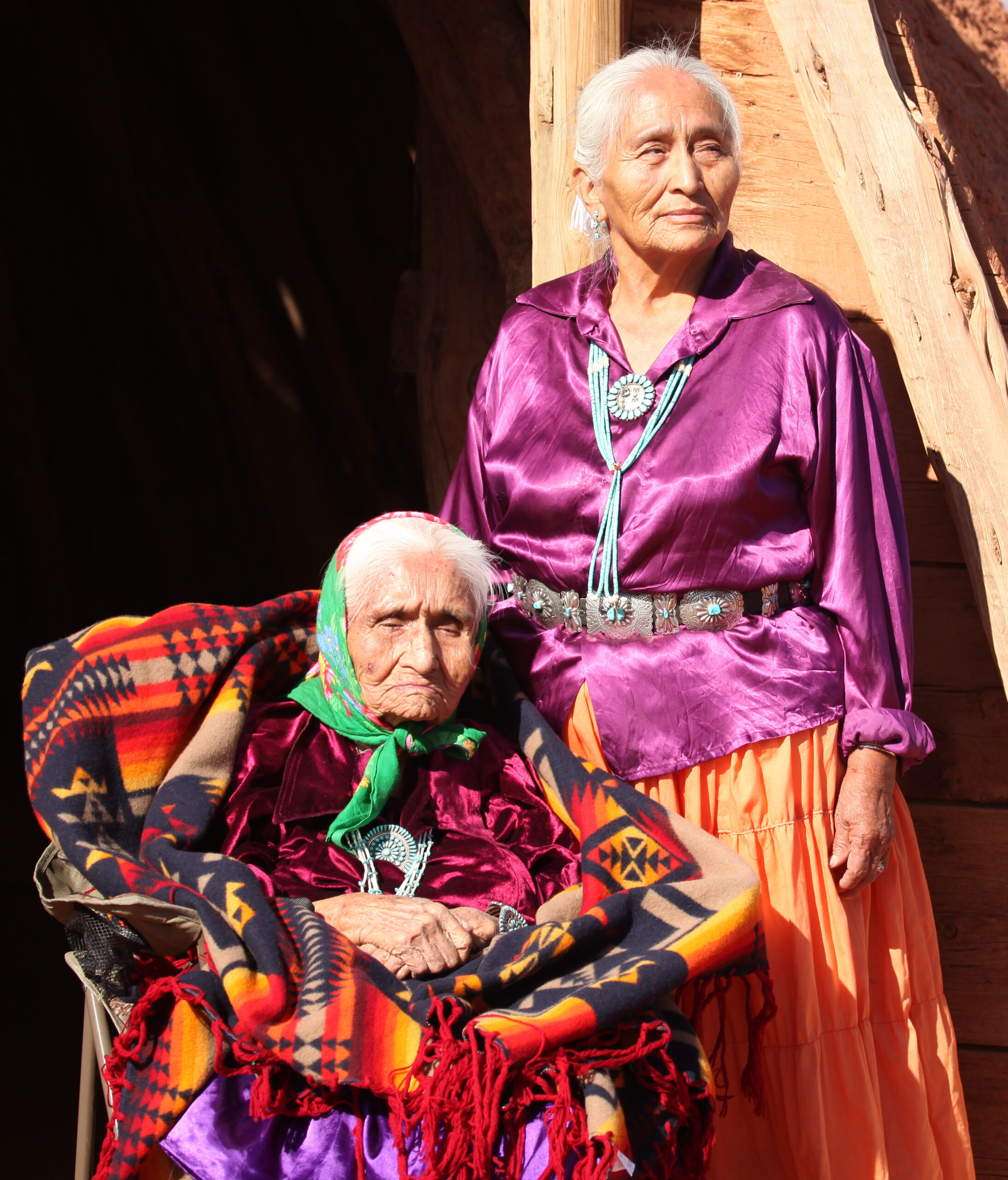
Elder care on Indian reservations presents a unique set of challenges and opportunities. Understanding the specific needs of Native American elders requires a culturally sensitive approach that acknowledges historical trauma, limited resources, and the importance of community. This comprehensive guide explores the complexities of elder care within tribal communities, offering insights into the existing issues and potential solutions for improving the quality of life for elders.
The Growing Need for Elder Care
As the population ages, the demand for elder care services is increasing across the United States. This trend is particularly pronounced on Indian reservations, where factors such as higher rates of chronic disease and limited access to healthcare contribute to a greater need for specialized care. Understanding the demographic shifts and health disparities is crucial for developing effective elder care programs.
Unique Challenges in Elder Care on Indian Reservations
- Geographic Isolation: Many reservations are located in remote areas, making it difficult for elders to access healthcare facilities and support services.
- Limited Resources: Tribal communities often face funding shortages, which can impact the availability of elder care programs and facilities.
- Healthcare Disparities: Native Americans experience higher rates of chronic diseases such as diabetes, heart disease, and Alzheimer’s, requiring specialized medical care.
- Cultural Barriers: Traditional healing practices and beliefs may differ from Western medical approaches, creating barriers to care.
- Historical Trauma: The legacy of colonization and forced assimilation has had a lasting impact on the health and well-being of Native American elders.
Cultural Considerations in Elder Care
- Respect for Elders: Elders are revered in Native American cultures as keepers of knowledge and wisdom. Caregivers should treat elders with the utmost respect and dignity.
- Importance of Family: Family plays a central role in elder care. Programs should involve family members in care planning and decision-making.
- Traditional Healing Practices: Incorporating traditional healing methods, such as herbal remedies and spiritual ceremonies, can complement Western medical treatments.
- Language Preservation: Supporting elders in speaking their native language helps maintain cultural identity and cognitive function.
- Community Involvement: Engaging the community in elder care initiatives fosters a sense of belonging and support.
Addressing Common Questions (People Also Ask)
What are the main health concerns for Native American elders?
Native American elders face disproportionately high rates of chronic diseases, including diabetes, heart disease, arthritis, and dementia. Mental health issues, such as depression and anxiety, are also prevalent. Addressing these health concerns requires culturally tailored interventions and increased access to healthcare services.
How can we improve access to elder care services on Indian reservations?
- Telehealth: Utilizing telehealth technologies to provide remote consultations and monitoring.
- Mobile Clinics: Deploying mobile clinics to reach elders in remote areas.
- Transportation Assistance: Providing transportation services to help elders access medical appointments and social activities.
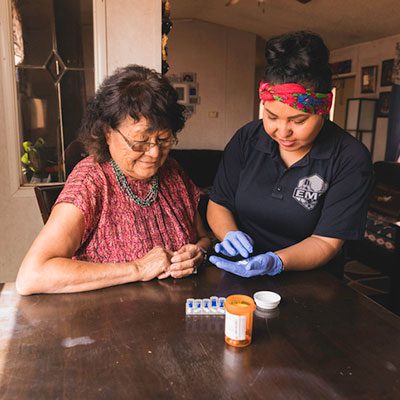
- Community Health Workers: Training community health workers to provide in-home care and support.
- Funding for Tribal Programs: Increasing funding for tribal elder care programs and facilities.
What role does the Indian Health Service (IHS) play in elder care?
The Indian Health Service (IHS) is the primary federal agency responsible for providing healthcare services to Native Americans. While the IHS offers a range of services, including elder care, it is often underfunded and understaffed. Strengthening the IHS and increasing its capacity to provide comprehensive elder care is crucial.
How can we promote cultural competency among elder care providers?
- Cultural Sensitivity Training: Providing training on Native American history, culture, and traditions.
- Community Partnerships: Establishing partnerships with tribal communities to gain insights into their specific needs and preferences.
- Language Training: Offering language training to enable providers to communicate effectively with elders who speak native languages.
- Recruiting Native American Staff: Hiring Native American staff to provide culturally relevant care.
Innovative Solutions for Elder Care on Indian Reservations
- Tribal Elder Care Programs: Tribal governments are developing comprehensive elder care programs that incorporate traditional values and practices.
- Intergenerational Programs: Intergenerational programs that connect elders with younger generations to promote cultural transmission and social interaction.
- Elder Housing Facilities: Building elder housing facilities that provide supportive living environments.
- Respite Care Services: Offering respite care services to provide temporary relief for family caregivers.
- Technology-Based Solutions: Utilizing technology to monitor elders’ health and provide remote support.
Examples of Successful Programs
- The Navajo Nation’s Division of Aging and Long-Term Care Services: Provides a range of services, including in-home care, transportation, and congregate meals.
- The Cherokee Nation’s Elder Care Program: Offers comprehensive elder care services, including medical care, social support, and cultural activities.
- The White Earth Nation’s Circle of Life Home Care: Provides culturally sensitive in-home care services to elders in the White Earth Reservation.
The Role of Technology in Improving Elder Care
Technology can play a significant role in enhancing elder care services on Indian reservations. Telehealth, remote monitoring devices, and online support groups can improve access to care and enhance the quality of life for elders.
Telehealth Solutions
Telehealth allows elders to receive medical consultations and monitoring from the comfort of their homes. This is particularly beneficial for those living in remote areas with limited access to healthcare facilities. Telehealth can also be used to provide mental health counseling and support.
Remote Monitoring Devices
Remote monitoring devices, such as wearable sensors and home monitoring systems, can track elders’ vital signs, activity levels, and medication adherence. This information can be used to detect potential health problems early and prevent hospitalizations.
Online Support Groups
Online support groups provide a platform for elders to connect with peers and share experiences. This can help reduce social isolation and improve mental well-being.
The Importance of Caregiver Support
Family caregivers play a crucial role in providing elder care on Indian reservations. However, caregiving can be physically and emotionally demanding. Providing support to caregivers is essential for ensuring their well-being and the quality of care they provide.
Respite Care
Respite care provides temporary relief for family caregivers, allowing them to take a break from their caregiving responsibilities. Respite care can be provided in the home, at a daycare center, or in a residential facility.
Counseling and Support Groups
Counseling and support groups provide caregivers with a safe space to share their experiences and receive emotional support. These services can help caregivers cope with stress, manage their own health, and improve their caregiving skills.
Financial Assistance
Financial assistance programs can help caregivers cover the costs of elder care, such as medical expenses, transportation, and home modifications. These programs can ease the financial burden on caregivers and ensure that elders receive the care they need.
Policy Recommendations for Improving Elder Care
- Increase Funding for Tribal Elder Care Programs: Allocate more funding to tribal governments to support the development and implementation of comprehensive elder care programs.
- Strengthen the Indian Health Service: Increase funding and staffing for the IHS to improve access to healthcare services for Native American elders.
- Promote Cultural Competency Training: Require elder care providers to undergo cultural competency training to ensure they are equipped to provide culturally sensitive care.
- Expand Telehealth Services: Invest in telehealth infrastructure to improve access to medical consultations and monitoring for elders in remote areas.
- Support Family Caregivers: Provide respite care, counseling, and financial assistance to family caregivers.
Conclusion
Elder care on Indian reservations is a complex issue that requires a culturally sensitive and collaborative approach. By addressing the unique challenges and implementing innovative solutions, we can improve the quality of life for Native American elders and honor their contributions to our communities. Investing in elder care is not only a moral imperative but also a way to preserve cultural heritage and strengthen tribal communities for generations to come. Recognizing the importance of cultural preservation, community involvement, and accessible healthcare is paramount to creating a supportive environment for elders on Indian reservations. The journey toward equitable and culturally competent elder care requires ongoing commitment and collaboration from tribal communities, healthcare providers, policymakers, and individuals alike.
- Elder care on Indian reservations faces unique challenges, including geographic isolation, limited resources, and healthcare disparities.
- Cultural sensitivity is essential when providing elder care services to Native American elders.
- Innovative solutions, such as telehealth, intergenerational programs, and respite care, can improve the quality of life for elders.
- Supporting family caregivers is crucial for ensuring the well-being of both caregivers and elders.
- Policy changes are needed to increase funding for tribal elder care programs and strengthen the Indian Health Service.


