
Economic development on Indian Reservations represents a powerful narrative of resilience, self-determination, and innovation. Far from a monolithic entity, the economic landscape across the more than 570 federally recognized tribes in the United States is diverse, reflecting unique cultures, geographies, and strategic priorities. This comprehensive article delves into the historical context, persistent challenges, burgeoning opportunities, and the profound impact of tribal sovereignty on fostering sustainable growth within indigenous communities.
Understanding the historical backdrop is crucial to appreciating current economic realities. Centuries of federal Indian policy, including forced relocation, land dispossession, and the imposition of foreign governance structures, severely disrupted traditional indigenous economies and created systemic barriers to wealth creation. The legacy of these policies continues to influence infrastructure, access to capital, and human resource development on many reservations today.
Tribal sovereignty stands as the bedrock of modern economic development efforts. As distinct governmental entities with inherent rights to self-governance, tribes possess the authority to create laws, manage resources, and engage in commerce. This sovereign status allows tribes to establish their own economic development corporations, tax systems, and regulatory frameworks, which are vital for attracting investment and fostering growth.
However, the path to economic prosperity is often fraught with significant obstacles. Many reservations face geographical isolation, leading to high transportation costs and limited access to markets. Inadequate infrastructure, including reliable broadband internet, paved roads, and sufficient utilities, remains a critical barrier for businesses and residents alike. Furthermore, limited access to conventional capital markets and complex trust land status can complicate financing and property development.
- Infrastructure Deficiencies: Lack of modern infrastructure (broadband, roads, water, sanitation) hinders business growth and quality of life.
- Capital Access: Difficulty in securing loans and investments due to unique land ownership structures and perceived risk.
- Human Capital Development: Brain drain, limited educational opportunities, and health disparities can impact workforce availability and skill levels.
- Regulatory Complexity: Navigating federal, state, and tribal regulations can be daunting for businesses.
- Jurisdictional Issues: Overlapping jurisdictions between tribal, state, and federal governments can create legal and operational uncertainties.
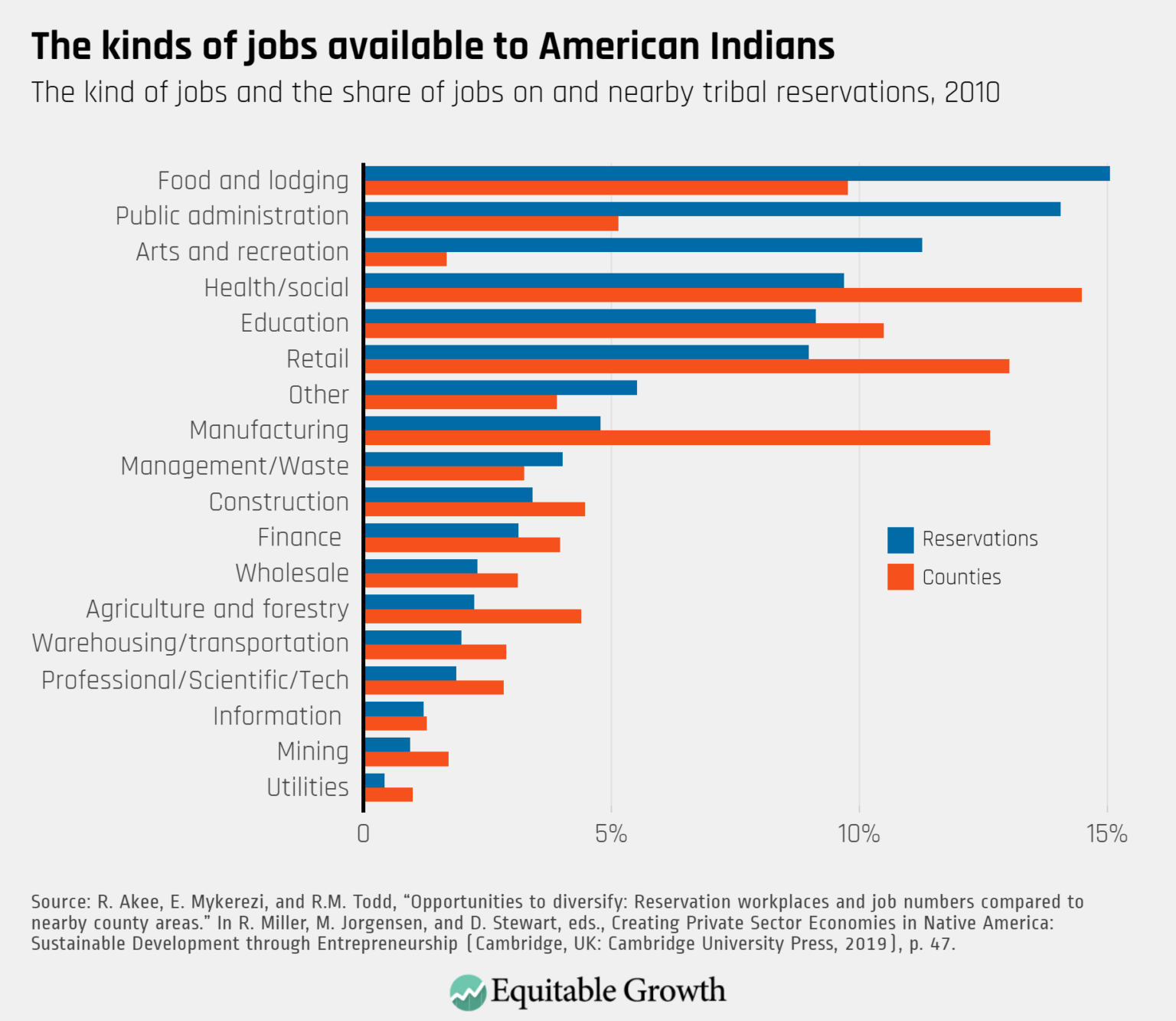
Despite these challenges, many tribes have demonstrated remarkable ingenuity in forging robust economies. The diversification of economic sectors is a key strategy, moving beyond traditional industries to embrace new opportunities.
One of the most widely recognized sectors for tribal economic development is gaming. Since the passage of the Indian Gaming Regulatory Act (IGRA) in 1988, tribal casinos have generated billions of dollars in revenue. This revenue is often reinvested directly into tribal communities, funding essential services such as healthcare, education, housing, public safety, and infrastructure projects. It is a powerful engine for job creation, both on and off reservations, and has been instrumental in lifting many tribes out of poverty.
However, not all tribes have the geographic or market conditions to support successful gaming enterprises. Moreover, even for those that do, relying solely on gaming can be precarious. Therefore, strategic diversification is paramount.
- Energy Development: Many reservations possess significant natural resources, including oil, natural gas, coal, and immense potential for renewable energy like solar and wind power. Tribes are increasingly developing these resources, often through tribal-owned utilities or partnerships, to create jobs and generate sustainable revenue.
- Tourism and Hospitality: Leveraging unique cultural heritage, pristine natural landscapes, and outdoor recreation opportunities, tribes are building successful tourism ventures, including resorts, cultural centers, museums, and eco-tourism initiatives.
- Agriculture and Ranching: Modernizing traditional agricultural practices, developing agribusinesses, and focusing on niche markets for organic or specialty crops can provide stable income and food security.
- Manufacturing and Industrial: Some tribes are establishing manufacturing plants, industrial parks, and logistics centers, often benefiting from advantageous tax structures and a dedicated workforce.
- Technology and Broadband: Recognizing the critical need for digital inclusion, tribes are investing in broadband infrastructure, creating tech hubs, and fostering remote work opportunities.
- Healthcare: Developing tribal health clinics, hospitals, and wellness centers not only serves community needs but also creates significant employment opportunities and local economic activity.
Successful economic development often hinges on effective tribal governance. Tribes with transparent, stable, and business-friendly legal and regulatory environments are more likely to attract external investment and foster internal entrepreneurship. Strong institutions, a clear rule of law, and a commitment to long-term strategic planning are hallmarks of thriving tribal economies.
The concept of ‘nation building’ is central to this approach. It emphasizes strengthening tribal governmental institutions, developing effective justice systems, and investing in human capital through education and workforce training. This holistic approach recognizes that economic prosperity is deeply intertwined with social well-being and cultural preservation.
Case studies of successful tribal economic development abound. The Choctaw Nation of Oklahoma, for instance, has diversified extensively beyond gaming, investing in manufacturing, healthcare, and hospitality, creating thousands of jobs and generating significant revenue for its citizens. The Mashantucket Pequot Tribal Nation, while known for Foxwoods Resort Casino, has also invested in diverse ventures and cultural preservation.
These success stories often share common elements: strong tribal leadership, a clear vision for the future, strategic reinvestment of profits, and a focus on building sustainable, diversified economies that benefit all tribal members. They exemplify the power of self-determination in action.
The role of federal and state governments, while complex, can be supportive. Programs offering grants, loans, and technical assistance are crucial for tribes lacking initial capital. Policies that simplify regulatory processes, provide tax incentives, and ensure equitable access to resources can significantly boost tribal economic growth.
The Indian Self-Determination and Education Assistance Act of 1975, for example, empowered tribes to assume control over federal programs designed to serve their communities, enabling them to tailor services to their specific needs and priorities, which in turn supports local employment and capacity building.

Partnerships are another vital component. Collaborations with private businesses, non-profit organizations, and even other tribes can bring in expertise, capital, and market access that might otherwise be unavailable. These partnerships must be built on mutual respect and a clear understanding of tribal sovereignty.
Looking forward, the future of economic development on Indian Reservations is bright with potential, yet continues to face significant challenges. Addressing persistent issues like poverty, health disparities, and environmental concerns remains paramount. Furthermore, adapting to climate change and investing in green technologies presents both a challenge and an opportunity for sustainable growth.
Engaging tribal youth in economic planning and providing them with educational and entrepreneurial pathways is critical for long-term success. Investing in STEM education, vocational training, and mentorship programs ensures a skilled workforce and future leaders for tribal enterprises.
In conclusion, economic development on Indian Reservations is a dynamic and evolving field, characterized by both profound historical challenges and remarkable achievements. Through the unwavering exercise of tribal sovereignty, strategic diversification, robust governance, and meaningful partnerships, indigenous communities are building resilient economies that honor their past, serve their present needs, and secure a prosperous future for generations to come. The journey is ongoing, but the commitment to self-determination and sustainable growth remains a powerful force for change.
The impact of tribal enterprises extends far beyond reservation borders, contributing significantly to regional economies through job creation, tax revenues, and supply chain linkages. This ripple effect underscores the importance of supporting and understanding tribal economic initiatives as a vital component of the broader national economy.
Moreover, the unique legal and cultural frameworks of tribal nations often foster innovative business models that prioritize community well-being and environmental stewardship alongside financial returns. This approach offers valuable lessons for all economic development efforts, emphasizing sustainability and social responsibility.
As tribes continue to assert their economic independence, the need for culturally sensitive and mutually beneficial engagement from external partners grows. Respecting tribal sovereignty and understanding specific tribal contexts are essential for forging successful collaborations that truly empower indigenous economies.
Investment in infrastructure remains a critical area. From high-speed internet to reliable energy grids and transportation networks, modern infrastructure is the backbone of any thriving economy. Federal and state commitments to closing these gaps on reservations are crucial for equitable development.
Finally, the narrative of economic development on Indian Reservations is one of incredible strength and determination. It is a testament to the enduring spirit of indigenous peoples to shape their own destinies and build vibrant, self-sufficient communities against all odds.


