
Understanding the nuances of Indigenous land ownership in the United States is crucial for anyone seeking to comprehend the history, legal frameworks, and ongoing challenges faced by Native American tribes. Terms like ‘reservation’ and ‘tribal land’ are often used interchangeably, yet they carry distinct legal meanings and implications. This article aims to clarify these differences, providing a comprehensive overview of their definitions, legal statuses, and the significant impact they have on tribal sovereignty and governance.
The historical context of Indigenous land in the U.S. is deeply rooted in treaties, executive orders, and federal legislation, often marked by displacement and broken promises. From the vast ancestral domains, Native American tribes were systematically dispossessed of their lands, leading to the creation of what are now known as Indian reservations. However, the story of tribal land ownership extends beyond reservations, encompassing various forms of land tenure.
Understanding Indigenous Land in the U.S.: A Foundation
Before delving into specific definitions, it’s important to recognize that Indigenous land in the U.S. exists within a unique legal framework. This framework is characterized by the concept of ‘federal trust responsibility,’ where the U.S. government holds certain lands in trust for the benefit of Native American tribes and individuals. This trust relationship is a cornerstone of federal Indian law and greatly influences how these lands are managed and governed.
The distinctions between different types of Indigenous land are not merely semantic; they dictate jurisdictional authority, economic development opportunities, and the extent of tribal self-governance. Misunderstanding these terms can lead to significant legal, social, and economic misinterpretations.
What is an ‘Indian Reservation’?
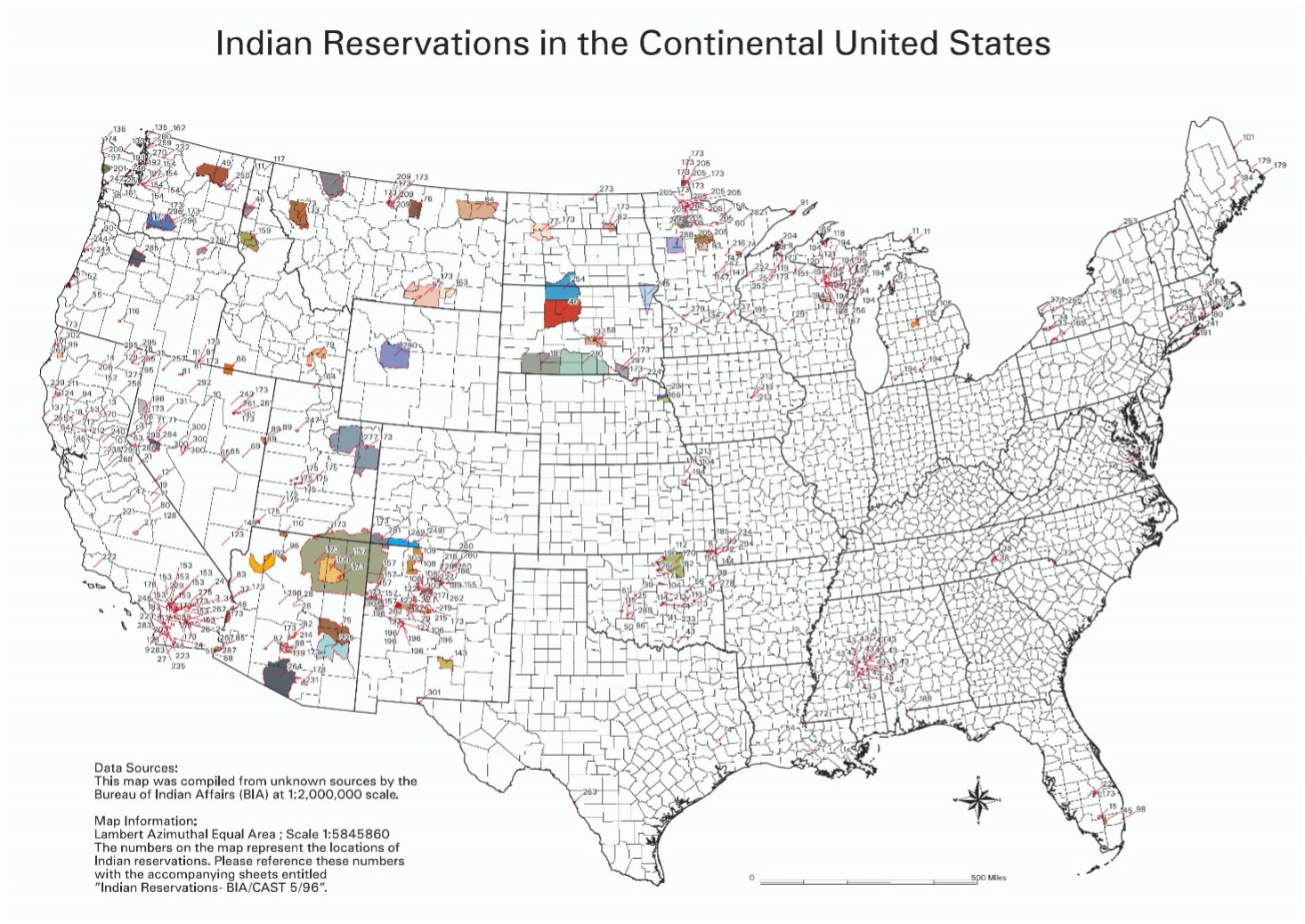
An Indian reservation, often simply called a ‘reservation,’ is a specific tract of land set aside by the federal government for the exclusive use and occupation of a particular Native American tribe or tribes. These lands were typically established through treaties, federal statutes, or executive orders. They represent a fraction of the ancestral lands once held by Indigenous peoples.
The defining characteristic of a reservation is its status as ‘federal trust land.’ This means the legal title to the land is held by the United States government in trust for the benefit of the tribe. The tribe, as the beneficial owner, has the right to possess, use, and occupy the land, but cannot sell or encumber it without federal approval. This trust status is intended to protect tribal assets and promote tribal self-sufficiency.
Jurisdiction on reservations is complex and often referred to as ‘Indian Country.’ Generally, tribal governments exercise significant governmental authority over their reservation lands and members. Federal law also applies, particularly in areas like major crimes. State jurisdiction, however, is severely limited on reservations, often requiring specific federal authorization or tribal consent.
Tribal governments on reservations possess inherent sovereign powers, enabling them to establish their own laws, courts, and governance structures. This includes managing natural resources, operating businesses, providing social services, and enforcing civil and criminal codes for their members and, in some cases, non-members within their territory. Examples include the Navajo Nation, Oglala Sioux Tribe, and Cherokee Nation.
What is ‘Tribal Land’?
The term ‘tribal land’ is a much broader concept than ‘reservation.’ It refers to any land owned by a Native American tribe, regardless of its specific legal status or whether it is part of a federally recognized reservation. This broader category encompasses several types of land ownership, each with its own set of legal implications.
One primary category of tribal land is, indeed, trust land. This includes reservation lands, as discussed above. However, it can also include ‘off-reservation trust land,’ which is land acquired by a tribe and then placed into federal trust status by the Secretary of the Interior, even if it’s not contiguous with an existing reservation. This process is often pursued to consolidate tribal land bases or facilitate economic development.
Another significant category is fee simple land. This is land purchased directly by a tribe on the open market, similar to how any individual or corporation might purchase property. Unlike trust land, fee simple land is owned outright by the tribe and is generally subject to state and local laws, including property taxes. While it is still ‘tribal land’ in the sense of tribal ownership, its jurisdictional framework differs significantly from trust land.
A less common, but still relevant, category is restricted fee land. This land is owned by individual Native Americans or tribes in fee simple, but with a restriction on alienation (transfer of ownership) that requires federal approval. This status typically arose from historical allotments and is a hybrid between trust and fee simple ownership.
Jurisdiction over tribal land varies greatly depending on its specific status. Trust land (whether on- or off-reservation) falls primarily under tribal and federal jurisdiction. Fee simple tribal land, however, typically falls under state and local jurisdiction, though tribal governments may still have some regulatory authority over activities conducted by tribal members on such lands.
Key Differences Summarized
- Legal Status: Reservations are specifically federal trust lands, with title held by the U.S. government for the tribe’s benefit. ‘Tribal land’ is a broader term that can include trust land, fee simple land, or restricted fee land, where the tribe holds the title directly for non-trust lands.
- Jurisdiction: Reservations primarily fall under tribal and federal jurisdiction, with limited state involvement. Fee simple tribal land is generally subject to state and local jurisdiction, while trust lands (even off-reservation) maintain tribal/federal jurisdiction.
- Acquisition: Reservations were historically established through treaties, executive orders, or acts of Congress. Tribal land, particularly fee simple land, is often acquired by tribes through direct purchase on the open market.
- Taxation: Trust lands (reservations) are generally exempt from state and local property taxes. Fee simple tribal lands are typically subject to state and local taxation.
- Purpose/Use: While both are intended for tribal benefit, reservations are often seen as the core territory for tribal self-governance and cultural preservation. Other tribal lands might be acquired for specific economic development, housing, or resource management purposes, sometimes outside the traditional reservation boundaries.
Nuances and Overlaps: The ‘Indian Country’ Definition
The term ‘Indian Country,’ defined in federal law (18 U.S.C. § 1151), is crucial. It includes: (a) all land within the limits of any Indian reservation, (b) all dependent Indian communities within the borders of the United States, and (c) all Indian allotments, the Indian titles to which have not been extinguished. Importantly, ‘Indian Country’ primarily refers to areas where federal and tribal laws generally apply, largely excluding state jurisdiction. All reservation land is ‘Indian Country,’ but not all ‘Indian Country’ is reservation land (e.g., off-reservation trust lands also qualify).
This complexity can lead to ‘checkerboard’ land ownership patterns within and around reservations, where parcels of trust land, fee simple land (owned by tribes or non-Natives), and state/private lands exist side-by-side. These patterns create significant jurisdictional challenges and often require intricate intergovernmental agreements.
Common Misconceptions & FAQs
Are all reservations ‘tribal land’? Yes, all land within an Indian reservation is considered tribal land (specifically, trust land). However, not all tribal land is part of a reservation.
Can tribes buy more land? Absolutely. Tribes frequently purchase land on the open market. They can then choose to keep it as fee simple land or apply to the Bureau of Indian Affairs (BIA) to have it taken into federal trust, thereby converting it into trust land and extending tribal/federal jurisdiction.
Do states have jurisdiction on reservations? Generally, state jurisdiction on reservations is limited. Federal law, such as Public Law 280, granted some states broader criminal and civil jurisdiction over certain reservations, but this is the exception, not the rule. For most states, major crimes are handled by federal authorities, and other matters by tribal courts.
What is the role of the BIA? The Bureau of Indian Affairs (BIA), part of the U.S. Department of the Interior, plays a significant role in managing federal trust responsibilities for Native American lands. This includes overseeing land transactions, managing natural resources, and providing various services to tribes and individuals.
What about Alaska Native Corporations? Alaska Native land ownership operates under a different model established by the Alaska Native Claims Settlement Act (ANCSA) of 1971. Instead of reservations, ANCSA created regional and village corporations that received land and monetary settlements. These lands are primarily owned in fee simple by the corporations, not held in federal trust, resulting in a distinct legal and jurisdictional landscape.
Conclusion: Appreciating the Complexity and Sovereignty
The distinction between ‘reservation’ and ‘tribal land’ is more than a legal technicality; it reflects centuries of policy, treaty obligations, and the ongoing struggle for tribal self-determination. While all reservations are a form of tribal land (specifically trust land), the broader category of ‘tribal land’ encompasses diverse ownership forms, including fee simple and restricted fee lands, each with unique jurisdictional implications.
Understanding these differences is fundamental to appreciating the sovereignty of Native American tribes, the complexities of land tenure, and the profound impact these classifications have on tribal governance, economic development, and cultural preservation. It underscores the importance of respectful engagement and informed discourse when discussing Indigenous affairs and land rights in the United States.
By recognizing the specific legal statuses and the historical context behind them, we can foster a more accurate and respectful understanding of Native American nations and their enduring relationship with their lands.


