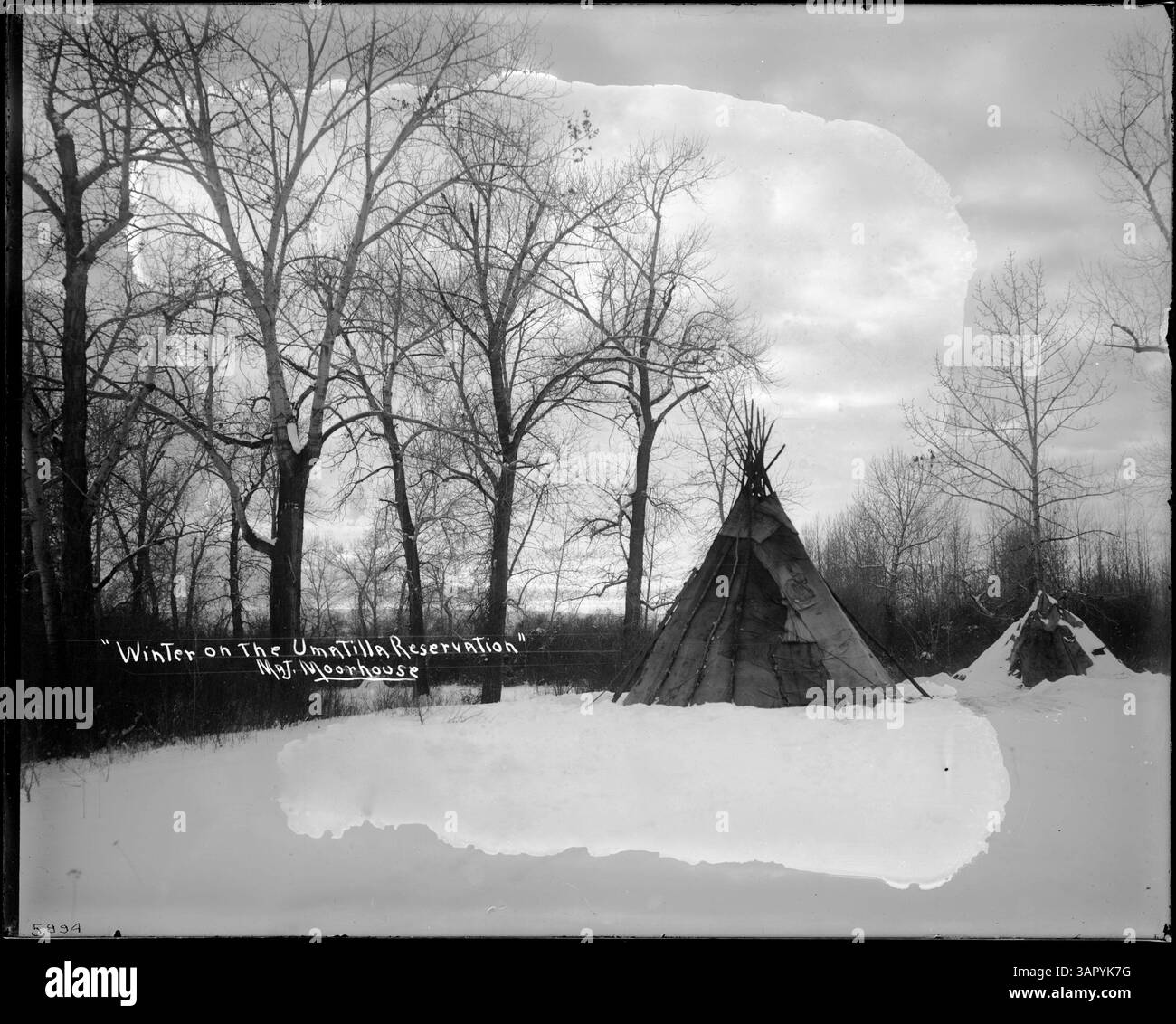

Indian Reservations in the United States represent far more than mere geographical territories; they are vibrant epicenters of Indigenous culture, history, and resilience. Often misunderstood, these sovereign lands are critical for the survival and flourishing of Native American traditions, languages, and ways of life. Understanding their cultural significance requires a journey into their complex past, present challenges, and enduring spirit.
At its core, an Indian Reservation is land managed by a Native American tribe under the U.S. Department of the Interior’s Bureau of Indian Affairs, rather than by state or local governments. These lands are remnants of ancestral territories, often established through treaties, executive orders, or acts of Congress, following centuries of land dispossession and forced relocation.
Historically, the establishment of reservations was part of a broader federal policy aimed at assimilating Native Americans into mainstream American society, often stripping them of their cultural identity. However, against this backdrop of adversity, reservations paradoxically became crucial spaces for cultural preservation, allowing tribes to maintain a semblance of their traditional practices and communal structures.
The journey of Native American tribes to retain their lands and cultures is a testament to extraordinary resilience. Despite immense pressures, including the Dawes Act which sought to break up communal lands, tribes on reservations have continually fought to assert their sovereignty and cultural distinctiveness.
Preserving Cultural Identity: A Sacred Trust
One of the most profound aspects of Indian Reservations is their role as guardians of cultural identity. For many Native American tribes, the reservation is the last bastion where their unique customs, ceremonies, and social structures can be practiced and passed down through generations without external interference.


Language, often considered the soul of a culture, has found a vital sanctuary on reservations. Indigenous languages, once suppressed and nearly lost due to assimilation policies, are now actively being revitalized. Tribal schools and community programs on reservations teach ancestral languages like Navajo, Lakota, and Cherokee, ensuring their continuity for future generations.
Traditional arts and crafts flourish within reservation communities. From intricate beadwork and pottery to weaving, carving, and silversmithing, these art forms are not merely decorative; they embody tribal histories, spiritual beliefs, and cultural narratives. They also provide significant economic opportunities, supporting tribal members and sharing their heritage with the world.
Storytelling and oral traditions remain cornerstones of Indigenous cultures on reservations. Elders pass down creation myths, historical accounts, moral lessons, and tribal laws through spoken narratives, ensuring that the collective memory and wisdom of the tribe endures. These stories are critical for maintaining cultural continuity and identity.
Ceremonial practices and spiritual beliefs are deeply woven into the fabric of reservation life. Sacred rituals, dances, and gatherings, often tied to the seasons or significant life events, are performed on ancestral lands, reinforcing the spiritual connection between the people, their land, and their heritage. These practices are central to the well-being and cultural identity of many tribes.
The strong sense of community and kinship on reservations is another vital cultural aspect. Extended family networks, communal support systems, and a shared sense of tribal identity foster a unique social cohesion that contrasts sharply with many individualistic mainstream societies. This collective spirit is fundamental to Native American cultural values.
Tribal Sovereignty and Self-Determination
Beyond cultural preservation, Indian Reservations are powerful symbols of tribal sovereignty. As distinct political entities, federally recognized tribes possess inherent rights of self-governance, predating the formation of the United States. This sovereignty allows them to establish their own governments, laws, and judicial systems.
The exercise of tribal sovereignty enables communities to make decisions that align with their cultural values and needs, from managing natural resources to developing educational curricula. This self-determination is crucial for maintaining cultural integrity and resisting external pressures that might dilute their unique heritage.
Economic development on reservations, while often challenging, is increasingly being pursued in ways that honor cultural values. While ventures like casinos are well-known, tribes are also developing sustainable tourism, renewable energy projects, and culturally appropriate businesses that provide employment and support their communities.

However, reservations face significant challenges, including high rates of poverty, limited access to quality healthcare, inadequate infrastructure, and educational disparities. These issues are often direct legacies of historical injustices and underfunding, impacting the ability of communities to fully thrive and protect their cultural assets.
The ongoing struggle for land rights and environmental justice is also a critical cultural concern. Many tribes continue to assert claims over ancestral lands outside reservation boundaries, and they are at the forefront of protecting sacred sites and natural resources from exploitation, viewing these as integral to their spiritual and cultural survival.
Despite these formidable obstacles, the resilience and adaptability of Native American people on reservations are remarkable. They continually innovate, blending traditional knowledge with modern approaches to address challenges, while fiercely protecting their cultural heritage and seeking a brighter future for their youth.
The Land: A Spiritual and Cultural Anchor
For Indigenous cultures, the land is not merely property; it is a living entity, a relative, and a source of identity, spirituality, and sustenance. Reservations, though often reduced portions of original territories, remain sacred grounds inextricably linked to tribal identity and cultural memory.
Sacred sites within and near reservations hold immense spiritual significance. These places, whether mountains, rivers, ancient burial grounds, or ceremonial spaces, are vital for religious practices, healing, and connecting with ancestors. Protecting these sites is paramount to cultural survival.
Traditional Ecological Knowledge (TEK), passed down through generations on reservations, offers invaluable insights into sustainable living and environmental stewardship. This deep understanding of local ecosystems and respectful resource management is a cornerstone of Indigenous culture and provides solutions for contemporary environmental challenges.
The connection to ancestral lands fosters a profound sense of belonging and continuity. It is from this land that tribal languages, stories, and ceremonies derive much of their meaning, anchoring cultural identity across time and providing a sense of place that is irreplaceable.
Modern Relevance and Future Prospects
In recent decades, cultural tourism on some reservations has emerged as a way to generate revenue and educate the public about Indigenous cultures. When managed respectfully by tribes, it offers visitors authentic experiences and insights into Native American history and contemporary life, while supporting tribal economies.
Education and outreach efforts by tribal nations aim to combat stereotypes and promote a more accurate understanding of Indigenous peoples. Through museums, cultural centers, and educational programs, reservations serve as vital hubs for sharing their rich histories and vibrant cultures with the wider world.
Advocacy and activism continue to be crucial for Native American communities on reservations. They tirelessly work to assert treaty rights, protect their lands, and ensure that their voices are heard in national and international forums, fighting for recognition, justice, and self-determination.
Intergenerational knowledge transfer is a continuous process on reservations. Elders play a critical role in mentoring youth, teaching them traditional skills, languages, and cultural protocols, ensuring that the flame of their heritage continues to burn brightly.
Collaborative efforts between tribal nations, government agencies, and non-profit organizations are increasingly common, fostering partnerships that address critical needs while respecting tribal sovereignty and cultural values. These collaborations are vital for sustainable development and cultural thriving.
Addressing misconceptions about reservations is an ongoing task. It is crucial to move beyond outdated stereotypes and acknowledge the diversity, vibrancy, and self-determination of the 574 federally recognized tribes, each with its unique culture, language, and governance.
The youth on reservations are the future leaders and cultural bearers. Empowering them through education, cultural immersion, and opportunities for growth is essential for the continued vitality of Indigenous cultures and the strength of tribal nations.
The power of story endures. Native American writers, artists, and filmmakers from reservations are increasingly sharing their narratives, offering authentic perspectives that challenge dominant narratives and enrich the tapestry of global culture.
In conclusion, the cultural significance of Indian Reservations is multifaceted and profound. They are not merely geographical boundaries but living, breathing centers of Indigenous identity, language, spirituality, and self-determination. They represent the enduring legacy of Native American resilience and the ongoing commitment to preserving unique cultural heritages against all odds.
To truly appreciate the United States, one must recognize and respect the invaluable cultural contributions and sovereign rights of the Indigenous nations within its borders, understanding that their reservations are vital to the cultural richness of the entire nation.


