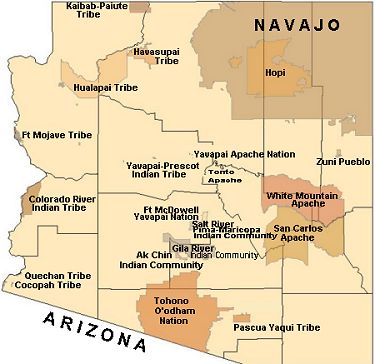

The Yavapai-Apache Nation, nestled within Arizona’s scenic Verde Valley, represents a powerful testament to resilience, cultural preservation, and sovereign self-determination. This distinct Native American tribe, a confederation of two historically separate peoples, has forged a unique identity and a thriving community against a backdrop of complex history and significant challenges.
Understanding the Yavapai-Apache Nation requires delving into its multifaceted past, appreciating its vibrant present, and recognizing its aspirations for the future. From ancient traditions to modern economic development, the Nation offers a compelling narrative for anyone interested in Indigenous cultures and American history.
The Confluence of Two Peoples: Who Are the Yavapai-Apache?
The Yavapai-Apache Nation is comprised of descendants from two distinct linguistic and cultural groups: the Yavapai and the Dilzhe’e Apache (also known as Tonto Apache). While often grouped together by external forces, they possess unique traditions, languages, and histories that have converged on the current reservation.
The Yavapai people traditionally inhabited a vast territory stretching from the Colorado River east to the Verde Valley and south towards the Gila River. They were skilled hunter-gatherers, adapted to Arizona’s diverse landscapes, and were known for their strong warrior traditions.
The Dilzhe’e Apache, or Tonto Apache, were part of the larger Western Apache group. Their traditional lands primarily encompassed the rugged mountains and canyons of central Arizona, east of the Yavapai territories. They were also hunter-gatherers, renowned for their adaptability and deep knowledge of their environment.

A Glimpse into Ancient Origins and Traditional Lands
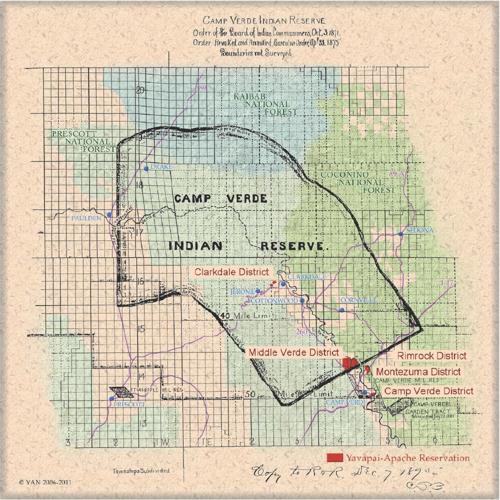
Both the Yavapai and Apache peoples have lived in what is now Arizona for centuries, long before European contact. Their ancestral territories were rich in natural resources, supporting their traditional ways of life, including intricate trade networks and spiritual connections to the land.
Archaeological evidence throughout the Verde Valley and surrounding regions points to thousands of years of continuous human occupation, with various ancestral groups leaving their mark. The Yavapai and Apache nations are direct descendants of these enduring traditions.
Turbulent Times: Contact, Conflict, and Forced Relocation
The arrival of Spanish explorers, followed by Mexican and then American settlers, dramatically altered the lives of the Yavapai and Apache. Increased encroachment on their lands led to conflicts over resources and territory.
During the mid-19th century, with the expansion of the United States, both Yavapai and Apache peoples faced immense pressure. The U.S. Army’s campaigns aimed to subdue and relocate Native American tribes to make way for mining, ranching, and farming interests.
A particularly painful chapter involved the forced removal of Yavapai and Apache peoples from their homelands to the San Carlos Apache Reservation, a harsh and distant land. This ‘Trail of Tears’ in Arizona resulted in immense suffering, loss of life, and cultural disruption.
The Fight for a Homeland: Establishing the Camp Verde Reservation
Despite the hardships, the Yavapai and Apache never ceased their efforts to return to their ancestral lands. Their persistence, coupled with advocacy from sympathetic individuals, eventually led to the establishment of the Camp Verde Reservation.
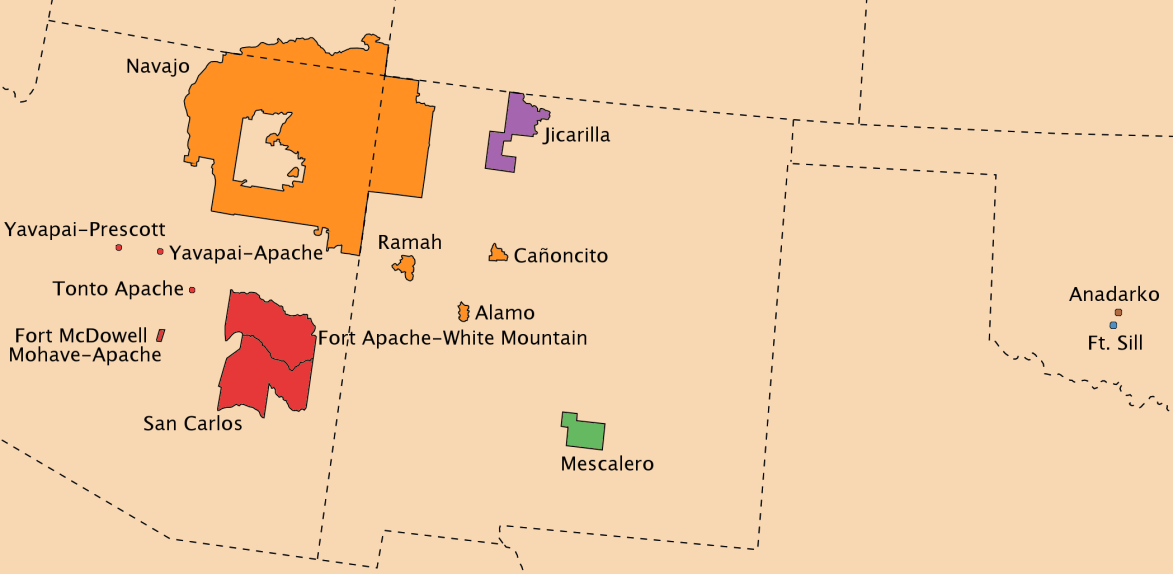

In 1910, a small parcel of land was set aside, marking the beginning of the modern Yavapai-Apache Nation Reservation. This was a crucial step towards reclaiming their sovereignty and rebuilding their communities on their own terms.
Sovereignty and Self-Governance in the Modern Era
Today, the Yavapai-Apache Nation operates as a sovereign tribal government, exercising its inherent right to self-determination. They have their own constitution, tribal council, and judicial system, governing their lands and people independently.
This self-governance allows the Nation to make decisions that best serve its community, from developing economic enterprises to managing natural resources and providing essential social services for its members.
Economic Development: Building a Sustainable Future
The Yavapai-Apache Nation has strategically diversified its economy to ensure long-term sustainability and prosperity for its people. A cornerstone of this economic growth is the Cliff Castle Casino Hotel, a major employer and revenue generator.
Beyond gaming, the Nation has invested in various ventures including construction (Yavapai-Apache Construction), retail, and agriculture. These enterprises provide jobs, fund tribal programs, and contribute significantly to the local Verde Valley economy.
The Nation’s commitment to economic self-sufficiency is a powerful example of how tribal governments are creating opportunities and improving the quality of life for their members while preserving their cultural identity.
Vibrant Culture and Enduring Traditions
Cultural preservation is paramount for the Yavapai-Apache Nation. Efforts are continuously made to revitalize and teach their distinct languages, Yavapai and Dilzhe’e Apache, to younger generations.
Traditional arts and crafts, such as intricate basket weaving, pottery, and beadwork, continue to be practiced and passed down. These artistic expressions are not merely decorative but embody deep cultural significance and storytelling.
Ceremonies, dances, and oral traditions are vital to maintaining their cultural heritage. The Nation frequently hosts cultural events and gatherings that allow both tribal members and visitors to experience the richness of their traditions.
Community Life and Services
The Yavapai-Apache Nation provides a wide array of services to its community members, ensuring their well-being and fostering a strong sense of community. These include healthcare facilities, educational programs, housing initiatives, and elder care services.
Investing in youth education is a priority, with programs designed to both provide academic excellence and instill cultural pride and knowledge. This holistic approach ensures that future generations are well-equipped to lead the Nation.
Visiting the Yavapai-Apache Nation: A Cultural Experience
The Yavapai-Apache Nation welcomes visitors to learn about its history and culture. The Yavapai-Apache Nation Cultural Center (located in Camp Verde) is an excellent starting point, offering exhibits, historical information, and insights into their way of life.
Visitors can also explore local attractions within the Verde Valley, many of which hold historical or cultural significance to the Nation, such as nearby national monuments like Montezuma Castle and Tuzigoot, which are ancestral sites.
Attending tribal events, when open to the public, offers a unique opportunity to witness traditional dances, music, and ceremonies firsthand. It’s an immersive way to connect with the living culture of the Yavapai-Apache people.
When visiting, it is essential to do so with respect and an open mind, recognizing the significance of these lands and traditions to the Yavapai-Apache people. Support local tribal businesses and respect cultural protocols.
Challenges and Triumphs: Looking Ahead
Like many Indigenous nations, the Yavapai-Apache Nation faces ongoing challenges, including issues related to land and water rights, economic equity, and the continued fight against historical injustices. However, their story is overwhelmingly one of triumph.
The Nation’s unwavering commitment to cultural preservation, economic innovation, and self-governance stands as a powerful example of resilience. They continue to advocate for their rights, protect their natural resources, and build a brighter future for their people.
Through educational initiatives, community engagement, and strategic partnerships, the Yavapai-Apache Nation is not only preserving its past but actively shaping its future, demonstrating the enduring strength and adaptability of Indigenous communities.
The story of the Yavapai-Apache Nation Reservation is far more than a historical account; it is a living narrative of survival, adaptation, and profound cultural pride. From the ancient paths walked by their ancestors to the vibrant community thriving today in the Verde Valley, the Nation stands as a beacon of Indigenous strength.
Their journey underscores the importance of tribal sovereignty, the power of cultural resilience, and the invaluable contributions Native American nations make to the rich tapestry of Arizona and the United States. Exploring the Yavapai-Apache Nation offers a deeper understanding of American history and a profound appreciation for enduring heritage.


