The vast, often starkly beautiful landscapes of the Great Basin hold centuries of stories, none more compelling than those of its indigenous inhabitants. Among these are the Goshute people, a resilient and deeply rooted community whose history and culture are inextricably linked to the arid lands of what is now western Utah and eastern Nevada. This comprehensive article explores the Confederated Tribes of the Goshute Reservation, offering insight into their past, present, and future.
Understanding the Goshute requires looking beyond common stereotypes of Native American tribes. They are a people whose ingenuity and profound knowledge of their environment allowed them to thrive in a challenging ecosystem, developing sophisticated survival strategies that continue to inform their cultural identity today.
The Confederated Tribes of the Goshute Reservation represent a unique blend of heritage and modern governance. This distinct tribal nation, recognized federally, plays a vital role in the cultural tapestry and environmental stewardship of the region.
Before the arrival of European settlers, the Goshute (also spelled Gosiute) occupied a vast traditional territory spanning much of the Great Basin. Their lands stretched from the Oquirrh Mountains in the east to the Ruby Mountains in the west, and from the Great Salt Lake Desert in the north to the deserts of central Utah in the south.
As part of the Western Shoshone language group, the Goshute were primarily hunter-gatherers. Their lifestyle was nomadic, dictated by the seasons and the availability of resources such as piñon nuts, seeds, roots, small game, and even insects. This deep connection to the land fostered an intimate understanding of its flora and fauna, crucial for survival.
The arrival of Euro-American explorers, trappers, and eventually settlers in the mid-19th century brought profound and often devastating changes. The Goshute, like many indigenous peoples, faced encroachment on their ancestral lands, depletion of vital resources, and the introduction of foreign diseases.
The completion of the transcontinental railroad and the subsequent influx of settlers further disrupted their traditional way of life. Conflicts arose as resources dwindled and the Goshute struggled to maintain their autonomy and access to sacred sites and hunting grounds.
In an attempt to manage these conflicts and assert control, the U.S. government entered into treaties with various Native American tribes. For the Goshute, the Treaty of Ruby Valley in 1863 was a pivotal, albeit controversial, agreement.
This treaty, signed under duress, acknowledged U.S. rights to establish roads, telegraph lines, and mining operations across Goshute lands, but did not explicitly cede land. However, subsequent interpretations and actions by the U.S. government effectively marginalized the Goshute and led to the loss of much of their ancestral domain.
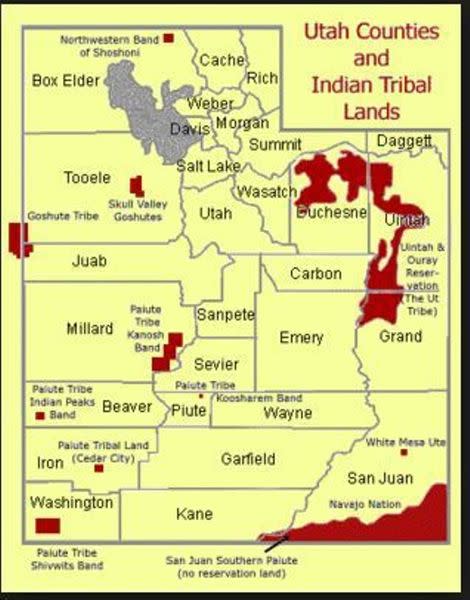
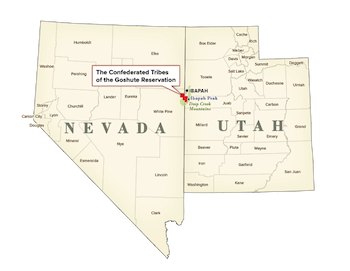
The Confederated Tribes of the Goshute Reservation were formally established through a series of executive orders and acts in the late 19th and early 20th centuries. Today, the reservation is primarily located in Skull Valley and Ibapah, Utah, with a smaller portion extending into Nevada.
The reservation’s geography is characterized by arid plains, mountain ranges, and unique desert ecosystems. This environment, while challenging, is also a source of deep cultural pride and a testament to the Goshute’s enduring ability to adapt and thrive.
The Goshute people maintain a strong sense of identity and community. Their language, part of the Numic branch of the Uto-Aztecan family, is a vital component of their cultural heritage, though like many indigenous languages, it faces the challenges of revitalization and intergenerational transmission.
Tribal governance is overseen by a democratically elected Tribal Council, which works to protect tribal sovereignty, promote economic development, and provide essential services to its members. This council is the primary voice for the Goshute people in negotiations with state and federal governments.
Economic development on the reservation focuses on creating sustainable opportunities for tribal members. Efforts include agriculture, ranching, and exploring potential ventures in renewable energy. However, the remote location and limited resources often present significant hurdles.
The Goshute also contend with unique environmental challenges. The proposed storage of spent nuclear fuel in Skull Valley, for instance, has been a long-standing and contentious issue, with the tribe actively fighting against initiatives they view as threatening to their land and people.
Cultural preservation is a paramount concern for the Confederated Tribes. Programs are in place to teach the Goshute language, traditional crafts, stories, and ceremonies to younger generations, ensuring that their rich heritage continues to flourish.
Education is another critical area of focus. The tribe works to provide educational opportunities for its youth, balancing traditional knowledge with modern academic pursuits, preparing them to be leaders and contributors to both tribal and broader society.
Healthcare services, though often challenged by remote access, are a priority. The tribe strives to ensure its members have access to adequate medical care, including culturally sensitive health programs that address the specific needs of the community.
The Goshute’s resilience in the face of historical trauma and ongoing challenges is a testament to their strength. They have consistently advocated for their rights, protected their lands, and preserved their cultural practices against immense pressure.
In recent decades, the Goshute have also become prominent voices in environmental justice movements. Their intimate knowledge of the Great Basin ecosystem positions them as crucial guardians of its delicate balance, advocating for responsible land use and protection from harmful industrial projects.
The question of ‘What is the Goshute Tribe known for?’ often arises. Beyond their historical presence in the Great Basin, they are renowned for their incredible resilience, their deep spiritual connection to the land, and their unwavering commitment to environmental stewardship and tribal sovereignty.
Many also ask, ‘Are the Goshute part of the Shoshone?’ Linguistically and culturally, the Goshute are closely related to the Western Shoshone, sharing many traditions and a common linguistic root within the Uto-Aztecan family, though they maintain a distinct tribal identity and governance.
The ongoing struggle to manage natural resources, attract sustainable economic development, and preserve cultural integrity while navigating external pressures remains central to the Goshute’s daily life and long-term planning.
The Confederated Tribes actively engage with state and federal agencies to ensure their voice is heard on issues ranging from water rights to land management. This engagement is crucial for asserting tribal sovereignty and protecting their interests.
For those interested in learning more, supporting tribal enterprises, and understanding the history of indigenous peoples directly contributes to their ongoing self-determination and cultural revitalization efforts.
The Goshute story is not merely one of survival, but of vibrant continuity. Their oral histories, ceremonies, and traditional practices continue to connect them to their ancestors and to the land that has sustained them for millennia.
The future of the Confederated Tribes of the Goshute Reservation is one of determined self-sufficiency and cultural pride. They continue to build a strong community, educate their children, and advocate for the protection of their ancestral lands and way of life.
Their journey serves as a powerful reminder of the importance of recognizing and respecting the sovereignty and cultural heritage of all indigenous nations.
In conclusion, the Confederated Tribes of the Goshute Reservation are a vital and enduring presence in Utah and the Great Basin. Their history is marked by profound challenges, but their present is defined by an unwavering commitment to cultural preservation, environmental advocacy, and the pursuit of a prosperous future for their people. To truly understand Utah’s heritage is to understand and honor the Goshute.
Their legacy is a testament to the strength of indigenous communities and their invaluable contributions to the ecological and cultural diversity of North America. Supporting their efforts means supporting a richer, more equitable future for all.


