Climate change is a global crisis, but its impacts are not felt equally. Across the United States, Indian Reservations – sovereign territories home to Native American tribes – are disproportionately bearing the brunt of environmental shifts, facing unique and severe challenges that threaten their lands, cultures, and ways of life.
These communities, often situated in ecologically sensitive regions, possess deep historical connections to their ancestral lands. However, systemic inequities, historical injustices, and limited resources exacerbate their vulnerability to phenomena like extreme weather, rising sea levels, and changing ecosystems.
Understanding the gravity of this situation requires acknowledging the intricate relationship between Native American tribes and their environment, a relationship that predates colonial settlement and is deeply embedded in their cultural identity and spiritual practices.
Understanding Indian Reservations: A Unique Context
Indian Reservations are lands held in trust by the U.S. government for the benefit of Native American tribes. Each reservation has a unique history, culture, and governance structure, operating with a degree of sovereignty over their internal affairs.
This sovereign status, while crucial for self-determination, often complicates efforts to address climate change, as tribes must navigate complex jurisdictional issues with federal, state, and local governments, particularly concerning shared resources like water and land.
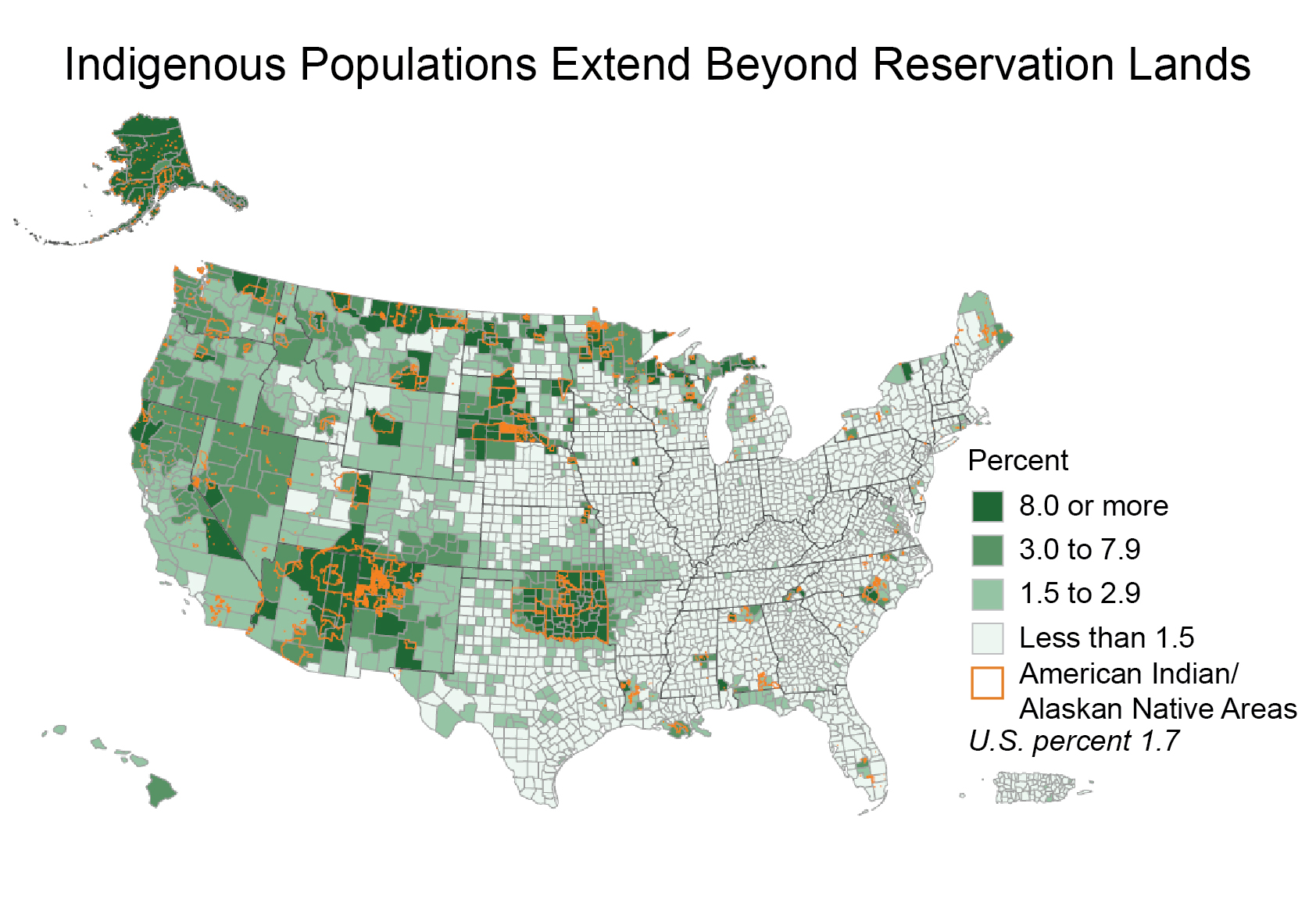
Historically, many tribes were forcibly relocated to lands deemed undesirable, often arid, flood-prone, or ecologically fragile, making them inherently more susceptible to environmental degradation and climate impacts.
The Disproportionate Burden: Why Native Communities Are More Vulnerable
Furthermore, the legacy of colonialism, including forced assimilation, land dispossession, and the disruption of traditional governance systems, has weakened the adaptive capacity of many tribes, making it harder to respond effectively to modern environmental threats.
Direct Environmental Impacts on Tribal Lands
Water Scarcity and Drought in the Southwest
For tribes in the American Southwest, water scarcity is an existential threat. Extended droughts, exacerbated by climate change, are depleting vital water sources like the Colorado River, upon which many tribal communities depend for drinking water, agriculture, and cultural practices.
The Navajo Nation, for instance, faces immense challenges with water access, with many homes lacking running water, making drought conditions particularly perilous for public health and sanitation.
Coastal Erosion and Sea-Level Rise for Coastal Tribes
Coastal and Alaskan Native communities are confronting rapid coastal erosion and sea-level rise. Villages like Newtok and Isle de Jean Charles have become stark examples of climate migration, as entire communities are forced to relocate due to uninhabitable conditions.
This displacement not only severs ties to ancestral lands but also leads to the loss of unique cultural practices tied to specific coastal ecosystems and marine resources.
Extreme Weather Events: Wildfires, Floods, and Heatwaves
Increased frequency and intensity of wildfires threaten tribal forests, homes, and cultural sites, particularly in California and the Pacific Northwest. The loss of timber and traditional foraging grounds has profound economic and cultural ramifications.
Conversely, many tribes located along major river systems or in low-lying areas are experiencing more severe flooding, damaging infrastructure, agricultural lands, and impacting housing, often with slow and inadequate federal disaster relief.
Rising temperatures also bring more frequent and intense heatwaves, posing significant health risks, especially for elders and those with pre-existing conditions, in communities with limited access to air conditioning or cooling centers.
Impacts on Traditional Livelihoods and Culture
Threats to Food Systems and Subsistence Practices
Climate change directly undermines traditional food security. Changes in temperature and precipitation patterns affect the growth of traditional crops, the migration patterns of fish and game, and the availability of wild plants used for medicine and food.
For tribes reliant on salmon, wild rice, or bison, disruptions to these critical species due to habitat loss, disease, or altered reproductive cycles threaten not only their diet but also ceremonies, economic activities, and intergenerational knowledge transfer.
Loss of Sacred Sites and Cultural Heritage
Many sacred sites, burial grounds, and culturally significant landscapes are vulnerable to climate impacts. Coastal erosion can wash away ancient burial sites, while wildfires can destroy traditional gathering places or specific plants used in ceremonies.
The loss of these physical connections to their heritage represents an immeasurable cultural blow, severing links to ancestors and traditional teachings that are vital for tribal identity and continuity.
Health and Well-being Consequences
Physical Health Challenges
Climate-related events contribute to a range of physical health issues. Smoke from wildfires exacerbates respiratory illnesses; contaminated floodwaters increase exposure to pathogens; and heat stress leads to heatstroke and cardiovascular problems.
Changes in ecosystems also affect the prevalence of vector-borne diseases (e.g., Lyme disease from ticks, West Nile virus from mosquitoes) as their habitats expand due to warmer temperatures.
Mental Health and Spiritual Distress
The constant threat of climate impacts, coupled with the loss of traditional lands, resources, and cultural practices, takes a significant toll on mental health. Anxiety, depression, and post-traumatic stress are increasingly prevalent within affected communities.
The grief associated with environmental degradation, often referred to as ‘ecological grief’ or ‘solastalgia,’ is particularly acute for indigenous peoples whose identity is inextricably linked to their environment.
Socioeconomic Vulnerabilities and Infrastructure Deficiencies
Many reservations suffer from chronic underfunding and lack robust infrastructure. Roads, housing, and utilities are often substandard, making them more susceptible to damage from extreme weather and slower to recover.
Economic activities on reservations, such as agriculture, forestry, and tourism, are often directly dependent on stable climatic conditions. Climate disruptions can lead to significant job losses and economic instability, further entrenching poverty.
Tribal Resilience and Adaptation: Leading the Way
Despite these formidable challenges, Native American tribes are not merely victims; they are powerful agents of change, leading innovative efforts in climate resilience and adaptation.
Leveraging Traditional Ecological Knowledge (TEK)
Tribes are increasingly integrating Traditional Ecological Knowledge (TEK) with Western science to develop effective adaptation strategies. TEK, accumulated over millennia, offers invaluable insights into local ecosystems, sustainable resource management, and climate patterns.
Examples include traditional fire management techniques to prevent catastrophic wildfires, water harvesting practices, and the cultivation of drought-resistant native plant species.
Innovative Tribal-Led Solutions
Many tribes are developing comprehensive climate action plans, investing in renewable energy projects (solar, wind), restoring traditional food systems, and engaging in habitat restoration projects to enhance ecosystem health and resilience.
The Swinomish Indian Tribal Community, for instance, has developed a climate adaptation plan that addresses impacts on shellfish, salmon, and traditional harvesting, combining scientific data with tribal wisdom.
Advocacy and Policy Engagement
Tribal leaders and advocates are actively engaging in policy discussions at local, state, and federal levels, pushing for greater recognition of tribal sovereignty in climate policy, increased funding for adaptation, and the inclusion of indigenous voices in decision-making.
Challenges in Securing Support and the Path Forward
Despite tribal-led efforts, significant barriers remain, including inconsistent federal funding, bureaucratic hurdles, and a lack of understanding regarding tribal sovereignty and unique needs within federal agencies.
Moving forward, it is imperative for federal and state governments to honor treaty obligations, provide sustained and flexible funding, and empower tribes to lead their own climate solutions.
Collaboration between tribal nations, government agencies, academic institutions, and non-profits is crucial. Respectful partnerships that prioritize tribal self-determination and incorporate TEK are essential for effective and equitable climate action.
Conclusion: Upholding Environmental Justice and Sovereignty
The impact of climate change on Indian Reservations is a profound issue of environmental justice. These communities, who have contributed least to the crisis, are suffering its worst effects, highlighting deep-seated inequities.
Addressing this crisis requires not only mitigation and adaptation efforts but also a commitment to truth, reconciliation, and upholding tribal sovereignty. Supporting tribal resilience is not just about environmental protection; it is about human rights, cultural preservation, and a just future for all.
By listening to and empowering Native American voices, acknowledging their unique vulnerabilities, and investing in their solutions, we can foster a more equitable and sustainable response to the global climate challenge, benefiting not only tribal nations but society as a whole.


