Oil and gas development on Indian reservations is a multifaceted issue involving tribal sovereignty, economic opportunity, environmental stewardship, and complex legal frameworks. This comprehensive guide delves into the intricacies of this topic, providing insights into its history, current practices, and future implications. Understanding this landscape is crucial for anyone interested in energy policy, Native American affairs, or environmental justice.
The Historical Context of Resource Development
The history of resource development on Indian lands is intertwined with the history of federal Indian policy. Initially, treaties often recognized tribal ownership of resources. However, subsequent policies, including the General Allotment Act of 1887, eroded tribal control and opened reservation lands to non-Indian development. This resulted in significant resource exploitation with minimal benefit to tribes.
The Dawes Act and Its Impact
The Dawes Act, also known as the General Allotment Act, divided communal tribal lands into individual allotments. Surplus lands were then opened to non-Indian settlement and resource extraction. This policy led to a massive loss of tribal land and resources, including oil and gas reserves. The legacy of the Dawes Act continues to affect tribal resource management today.
Legal Framework Governing Oil and Gas Development
Several federal laws govern oil and gas development on Indian reservations. Key statutes include the Indian Mineral Development Act (IMDA) of 1982 and the Indian Oil and Gas Act of 1988. These laws aim to balance tribal self-determination with federal oversight.
Indian Mineral Development Act (IMDA)
The IMDA allows tribes to enter into various agreements for mineral development, promoting tribal control over their resources. It requires the Secretary of the Interior to approve agreements but also emphasizes tribal consent and negotiation. The IMDA seeks to ensure that tribes receive fair compensation and benefits from resource extraction.
Indian Oil and Gas Act (IOGA)
The IOGA establishes regulations for oil and gas leasing on Indian lands. It mandates competitive bidding for leases, sets royalty rates, and requires environmental reviews. The Act aims to protect tribal interests and ensure responsible resource development. However, its implementation has often been criticized for bureaucratic delays and inadequate enforcement.
Tribal Sovereignty and Self-Determination
A central aspect of oil and gas development on Indian reservations is the principle of tribal sovereignty. Tribes possess inherent sovereign powers, including the right to govern their lands and resources. Federal policies increasingly recognize and support tribal self-determination in resource management.
The Role of Tribal Governments
Tribal governments play a crucial role in negotiating and managing oil and gas agreements. They have the authority to set their own environmental regulations, negotiate royalty rates, and determine how resource revenues are used. Strengthening tribal governance is essential for ensuring that resource development benefits tribal communities.
Challenges to Tribal Control
Despite advancements in tribal self-determination, challenges remain. Federal oversight, bureaucratic processes, and legal disputes can hinder tribal control over resource development. Balancing tribal sovereignty with federal trust responsibilities is an ongoing challenge.
Economic Impacts of Oil and Gas Development
Oil and gas development can have significant economic impacts on Indian reservations. Resource revenues can fund essential tribal programs, create jobs, and improve infrastructure. However, these benefits must be balanced against potential social and environmental costs.
Revenue Generation and Distribution
Oil and gas revenues are typically distributed to tribal governments and individual tribal members. These funds can be used to support education, healthcare, housing, and other essential services. The equitable distribution of revenues is crucial for ensuring that all tribal members benefit from resource development.
Job Creation and Employment Opportunities
Oil and gas development can create jobs for tribal members in various sectors, including drilling, transportation, and administration. However, these jobs may require specialized skills, and training programs are needed to ensure that tribal members can access these opportunities. Furthermore, economic diversification strategies are important to mitigate reliance on a single industry.
Economic Diversification Strategies
Many tribes are pursuing economic diversification strategies to reduce their dependence on oil and gas revenues. These strategies include developing renewable energy projects, promoting tourism, and investing in other industries. Diversifying the economy can create more stable and sustainable economic opportunities for tribal communities.
Environmental Considerations and Concerns
Environmental protection is a critical concern in oil and gas development on Indian reservations. Resource extraction can have adverse impacts on air and water quality, wildlife habitats, and cultural resources. Tribes are increasingly focused on implementing sustainable development practices and protecting their environment.
Impacts on Water Resources
Oil and gas development can contaminate water resources through spills, leaks, and improper waste disposal. Protecting water quality is essential for ensuring the health and well-being of tribal communities. Tribes are working to implement stricter environmental regulations and monitoring programs to safeguard their water resources.
Air Quality and Emissions
Emissions from oil and gas operations can contribute to air pollution and climate change. Tribes are exploring ways to reduce emissions through cleaner technologies and energy efficiency measures. Collaborating with federal and state agencies is crucial for addressing air quality concerns.
Protecting Cultural Resources
Oil and gas development can threaten cultural resources, including sacred sites, archaeological sites, and traditional use areas. Tribes are working to identify and protect these resources through cultural resource management plans and consultation with developers.
Case Studies: Examples of Tribal Resource Management
Examining case studies of tribal resource management provides valuable insights into best practices and challenges. Several tribes have successfully managed their oil and gas resources while protecting their environment and promoting economic development.
The Ute Indian Tribe of the Uintah and Ouray Reservation
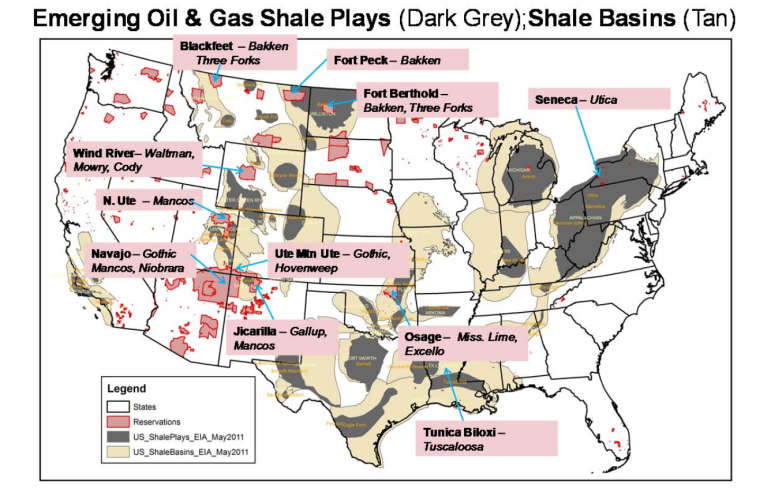
The Ute Indian Tribe has a long history of oil and gas development on its reservation in Utah. The tribe has established its own energy company and implemented strict environmental regulations. The Ute Indian Tribe has demonstrated that it is possible to balance resource development with environmental protection and economic self-sufficiency.
The Fort Berthold Reservation and the Bakken Formation
The Fort Berthold Reservation in North Dakota is located in the heart of the Bakken Formation, a major oil-producing region. The Three Affiliated Tribes, which govern the reservation, have experienced significant economic benefits from oil and gas development. However, they have also faced challenges related to infrastructure development, social impacts, and environmental protection.
The Future of Oil and Gas Development on Indian Reservations
The future of oil and gas development on Indian reservations will depend on several factors, including energy prices, technological advancements, and federal policies. Tribes are increasingly focused on promoting sustainable development and diversifying their economies.
Renewable Energy Opportunities
Many tribes are exploring renewable energy opportunities, such as solar, wind, and geothermal power. Renewable energy projects can provide clean energy, create jobs, and reduce reliance on fossil fuels. Tribes are well-positioned to become leaders in renewable energy development.
Policy Recommendations
Several policy recommendations can support sustainable oil and gas development on Indian reservations. These include strengthening tribal sovereignty, increasing funding for tribal energy programs, and streamlining the regulatory process. Federal agencies should work in partnership with tribes to promote responsible resource management.
Addressing Common Questions (People Also Ask)
What are the benefits of oil and gas development for tribes?
Oil and gas development can generate revenue for tribal governments, fund essential services, create jobs, and improve infrastructure.
What are the environmental risks associated with oil and gas development on reservations?
Environmental risks include water contamination, air pollution, habitat destruction, and impacts on cultural resources.
How do tribes regulate oil and gas development on their lands?
Tribes have the authority to set their own environmental regulations, negotiate royalty rates, and determine how resource revenues are used. They work with federal agencies to ensure compliance with federal laws.
What is the role of the federal government in oil and gas development on Indian reservations?
The federal government has a trust responsibility to protect tribal resources. It oversees oil and gas leasing, sets royalty rates, and enforces environmental regulations.
How can tribes balance economic development with environmental protection?
Tribes can implement sustainable development practices, invest in renewable energy, and prioritize environmental protection in their resource management plans.
Conclusion
Oil and gas development on Indian reservations is a complex and evolving issue. While it presents economic opportunities for tribes, it also poses environmental and social challenges. By strengthening tribal sovereignty, promoting sustainable development, and fostering collaboration between tribes and federal agencies, it is possible to balance resource development with environmental protection and economic self-sufficiency. The future of resource management on Indian lands hinges on respecting tribal rights, promoting responsible development, and ensuring that tribal communities benefit from their resources.
This guide has provided a comprehensive overview of the key aspects of oil and gas development on Indian reservations. It is hoped that this information will contribute to a better understanding of this important issue and promote more informed decision-making.
By understanding the history, legal framework, economic impacts, and environmental considerations, stakeholders can work together to ensure that oil and gas development on Indian reservations is conducted in a manner that respects tribal sovereignty, protects the environment, and promotes sustainable economic development.


