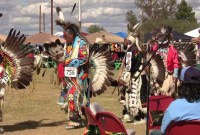
The Pascua Yaqui Tribe Reservation, nestled southwest of Tucson, Arizona, stands as a testament to the enduring spirit and rich cultural heritage of the Yoeme people. This sovereign nation, officially recognized by the United States government in 1978, represents centuries of struggle, migration, and an unwavering commitment to preserving their unique identity.
For many, the name ‘Yaqui’ evokes images of a resilient people with a profound spiritual connection to their land and traditions. Their story is not just a regional narrative but a significant chapter in the broader tapestry of Native American history, marked by both adversity and remarkable perseverance.
The reservation itself encompasses approximately 2,200 acres, serving as the cultural, governmental, and economic hub for thousands of tribal members. It is a vibrant community where ancient traditions meet modern life, creating a dynamic environment that reflects the tribe’s adaptability and strength.
A Journey Through Time: The Historical Roots of the Yaqui People
The origins of the Yaqui people, or Yoeme as they call themselves, trace back to the Río Yaqui valley in Sonora, Mexico. For centuries, they lived independently, developing a complex society based on agriculture, spiritual beliefs, and a strong martial tradition that allowed them to defend their lands against Spanish colonialists and later, Mexican forces.
Their fierce independence led to numerous conflicts and periods of extreme persecution, particularly during the late 19th and early 20th centuries. The Mexican government’s campaigns to suppress the Yaqui people resulted in forced displacements, deportations, and massacres, driving many Yaquis to seek refuge across the border in the United States.

Fleeing persecution, Yaqui families began settling in southern Arizona, particularly around Tucson, Phoenix, and Guadalupe. They established small, tight-knit communities, often referred to as ‘colonias,’ where they meticulously maintained their language, customs, and religious practices despite immense pressure to assimilate.
One of the most significant of these early settlements was Pascua Village, established near Tucson. It was from these resilient communities that the modern Pascua Yaqui Tribe began its long journey towards federal recognition and the establishment of its own reservation.
The struggle for official recognition was arduous, spanning decades. It required persistent advocacy, legal battles, and a clear demonstration of their distinct cultural and political identity. The efforts culminated in the passage of the Pascua Yaqui Tribal Recognition Act of 1978, signed into law by President Jimmy Carter, granting them federal recognition and establishing their reservation.
Vibrant Culture and Enduring Traditions
The culture of the Pascua Yaqui Tribe is exceptionally rich, deeply rooted in a blend of indigenous beliefs and elements introduced during the Spanish colonial period, particularly Catholicism. This syncretism is most vividly expressed in their ceremonial life, which is central to their identity.
Perhaps the most renowned aspect of Yaqui culture is their elaborate Lenten and Easter ceremonies. These rituals, which can last for weeks, are not merely religious observances but profound cultural performances that reenact the Passion of Christ with unique Yaqui interpretations and indigenous elements.
Key figures in these ceremonies include the Farasiseo (Pharisees), who wear elaborate masks and carry wooden swords, and the Chapayekas, who represent evil spirits and perform highly stylized dances. The ceremonies culminate in a dramatic confrontation between good and evil, symbolizing renewal and transformation.
Another iconic cultural expression is the Deer Dance (Maaso Kova), a sacred performance that honors the deer, a revered animal in Yaqui cosmology. The dancer, adorned with a deer head mask, mimics the movements of a deer, accompanied by traditional music played on drums, flutes, and rasps. This dance is a prayer, a hunt, and a celebration of life.
The Yaqui language, known as Yoeme, is an integral part of their cultural preservation efforts. Though English is widely spoken, the tribe actively promotes the use and teaching of Yoeme, recognizing its vital role in transmitting traditional knowledge, stories, and worldview to younger generations.

Yaqui art forms, including intricate beadwork, basketry, and the crafting of ceremonial regalia, also reflect their deep connection to their heritage and environment. These artistic expressions are not just decorative; they often carry symbolic meanings and are used in sacred contexts.
Governance and Economic Development
As a federally recognized sovereign nation, the Pascua Yaqui Tribe operates its own governmental structure. The tribal council, elected by tribal members, is responsible for governing the reservation, enacting laws, managing resources, and providing essential services to its community.
This self-governance allows the tribe to determine its own future, make decisions that reflect its values, and protect its cultural integrity. Tribal sovereignty is a cornerstone of their identity and their ability to thrive in the modern world.
Economic development has been a crucial focus for the Pascua Yaqui Tribe, providing employment opportunities and funding for tribal programs. A significant driver of their economy is the gaming industry, specifically the Casino Del Sol and Casino of the Sun resorts.
Casino Del Sol, a premier destination in Southern Arizona, offers a wide range of amenities including gaming, luxury accommodations, a spa, golf course, and entertainment venues. These enterprises not only generate revenue but also create thousands of jobs, benefiting both tribal members and the surrounding Pima County community.
Beyond gaming, the tribe has diversified its economic ventures into areas such as retail, hospitality, and construction, demonstrating a forward-thinking approach to sustainable growth and self-sufficiency. This economic strength supports vital programs for education, healthcare, public safety, and infrastructure development on the reservation.
Community Life and Services on the Reservation
Life on the Pascua Yaqui Reservation is characterized by a strong sense of community and mutual support. The tribe provides a comprehensive array of services designed to enhance the well-being of its members, from early childhood education to elder care.
The education system on the reservation includes schools that integrate cultural teachings alongside standard curricula, ensuring that younger generations grow up with a strong understanding of both their heritage and the skills needed for the future. Scholarship programs further support tribal members pursuing higher education.
Healthcare services are a priority, with tribal clinics and health centers offering medical, dental, and behavioral health services to the community. These facilities often blend traditional healing practices with Western medicine, reflecting a holistic approach to wellness.
Social services address various needs, including housing assistance, family support programs, and initiatives to combat issues like substance abuse. The tribe is committed to fostering a safe, healthy, and culturally vibrant environment for all its members.
Challenges and the Path Forward
Despite their remarkable achievements, the Pascua Yaqui Tribe, like many indigenous nations, continues to face challenges. These include maintaining cultural practices in a rapidly changing world, addressing socio-economic disparities, and protecting their sovereign rights.
However, the tribe approaches these challenges with resilience and determination. They are actively engaged in language revitalization programs, cultural education initiatives, and strategic economic planning to ensure a prosperous future for generations to come.
Their commitment to environmental stewardship is also evident, as they work to manage their lands and resources responsibly, honoring their ancestral connection to the desert landscape of Arizona.
Visiting the Pascua Yaqui Reservation
While the reservation is primarily a residential and governmental area, the Pascua Yaqui Tribe welcomes visitors to experience aspects of their culture through their public enterprises. Casino Del Sol, for instance, offers a glimpse into the economic success and hospitality of the tribe.
For those interested in deeper cultural immersion, it is respectful and advisable to seek information directly from the tribe’s official channels regarding any public cultural events or dedicated cultural centers. Always remember to approach with respect for their customs and privacy.
The Pascua Yaqui Tribe Reservation is more than just a geographical location; it is a living embodiment of cultural endurance, self-determination, and a powerful narrative of survival and resurgence. From their ancient roots in Mexico to their modern status as a sovereign nation in Arizona, the Yaqui people have continuously demonstrated an extraordinary capacity to maintain their identity and traditions against all odds.
Their story serves as an inspiring example of how a community can overcome historical injustices and build a vibrant, self-sufficient future while honoring the wisdom of their ancestors. The Pascua Yaqui Tribe stands as a beacon of cultural pride and a vital part of Arizona’s diverse heritage.