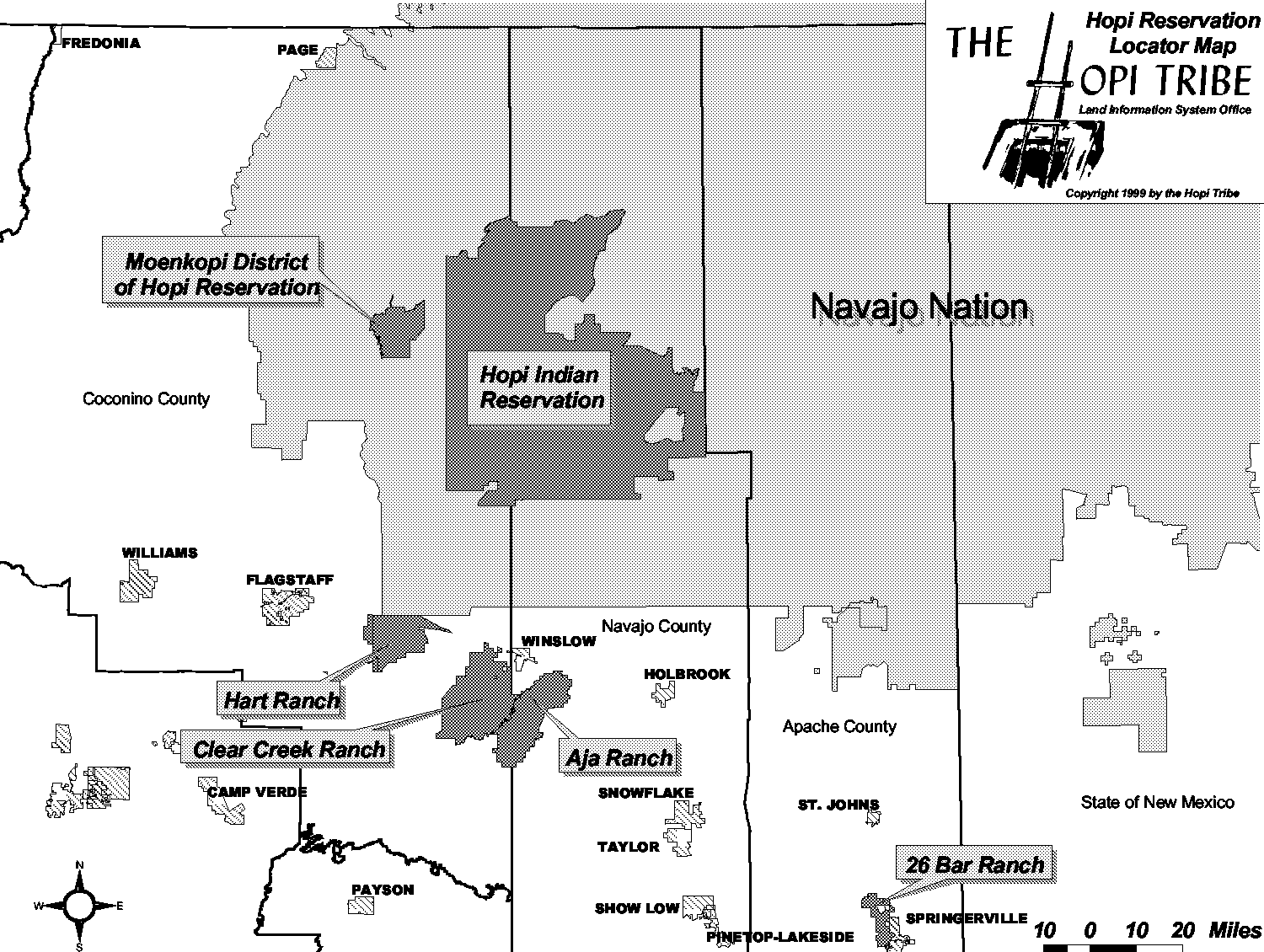
Indian Reservations across the United States are often perceived as remote lands, but they are, in fact, incredibly rich in natural resources. These lands, held in trust by the federal government for the benefit of tribal nations, encompass a significant portion of the nation’s remaining untapped or underdeveloped energy, mineral, timber, and water resources. The management and development of these resources are critical for the economic self-sufficiency of tribal communities and hold substantial implications for the broader national economy and environmental landscape.
The unique legal and historical status of Indian Reservations profoundly shapes how these resources are accessed, managed, and utilized. Understanding this context is paramount to appreciating the complexities and opportunities surrounding resource development on tribal lands.
A fundamental concept when discussing Indian Reservations is that of tribal sovereignty. Federally recognized tribes possess inherent governmental powers over their lands and members, predating the formation of the United States. While their sovereignty has been diminished over time by federal policy, it remains a crucial aspect of their legal standing, granting tribes significant authority over land use, environmental regulation, and economic development within their reservation boundaries. This self-governance is central to how natural resources are managed.
The land within Indian Reservations is typically held in one of two ways: either in ‘trust’ by the United States for the benefit of the tribe as a whole, or as ‘allotted’ lands, which are parcels held in trust for individual Native American landowners. The federal government, primarily through the Bureau of Indian Affairs (BIA), has a ‘trust responsibility’ to protect tribal assets, including natural resources, though the execution of this responsibility has often been a source of contention and historical grievances.
The sheer diversity and quantity of natural resources on Indian Reservations are remarkable. These lands are veritable treasure troves, offering a wide array of resources vital for modern society and the transition to a sustainable future.
Energy Resources: Powering the Nation
Many reservations sit atop vast reserves of conventional energy resources. This includes significant deposits of coal, particularly in the Powder River Basin (shared by Northern Cheyenne and Crow tribes), and substantial oil and natural gas reserves, notably in the Bakken Formation (Fort Berthold Indian Reservation) and other basins across Oklahoma, New Mexico, and the Uintah and Ouray Reservation in Utah. The development of these fossil fuels has historically been a major source of revenue for some tribes.
Renewable Energy Potential: A Sustainable Future
Beyond traditional energy sources, tribal lands possess immense, largely untapped potential for renewable energy. The wide-open spaces, high solar insolation, and consistent winds make many reservations ideal for utility-scale solar and wind farms. Geothermal resources are also present in certain regions. Tribes are increasingly exploring these clean energy avenues, not only for economic diversification but also to align with their traditional values of environmental stewardship and long-term sustainability.
Mineral Resources: Foundations of Industry
Indian Reservations are also rich in various hardrock minerals. Deposits of gold, silver, copper, lead, zinc, and even rare earth elements can be found. The Navajo Nation, for instance, has significant uranium deposits, which have been both a source of economic activity and environmental concern. The responsible extraction of these minerals, balancing economic gain with ecological protection, presents a complex challenge and opportunity for tribal nations.
Timber and Forest Products: Sustainable Forestry
For tribes with forested lands, timber resources represent a valuable asset. Many tribal forestry programs are models of sustainable forest management, balancing commercial harvesting with ecological preservation, wildlife habitat protection, and cultural uses of the forest. These operations provide employment and revenue while maintaining the health of vital ecosystems.
Water Resources: The Lifeblood of the Land
Perhaps the most critical resource on many reservations is water. Tribes often hold senior water rights, sometimes dating back to treaties, which are essential for agriculture, economic development, and the sustenance of their communities and ecosystems. Disputes over water rights between tribes, states, and non-tribal entities are common and underscore the profound importance of this resource. Ensuring adequate, clean water access is a perpetual challenge and priority.
Agricultural Lands: Food Security and Economic Growth
Many reservations contain fertile lands suitable for agriculture and ranching. These lands support diverse agricultural enterprises, from traditional farming to large-scale commercial operations, contributing to food security and providing economic stability for numerous tribal communities.
The history of natural resource development on Indian Reservations is fraught with complexity, marked by periods of exploitation, federal mismanagement, and a gradual shift towards tribal self-determination.
In the early days, treaties often ceded vast territories while reserving smaller tracts for tribes, sometimes without fully accounting for the resource wealth within those reserved lands. Later, policies like the General Allotment Act of 1887 (Dawes Act) broke up communal tribal lands into individual parcels, leading to significant land loss and making unified resource management incredibly difficult.
For decades, resource leasing and extraction on reservations were largely controlled by the federal government through the BIA, often with minimal tribal input and unfavorable terms for tribes. This era saw vast amounts of resources extracted with limited economic benefits flowing back to tribal communities, contributing to chronic underdevelopment and poverty.
The shift towards self-determination, beginning in the 1970s, empowered tribes to take greater control over their assets. Legislation like the Indian Mineral Development Act of 1982 and the Indian Self-Determination and Education Assistance Act of 1975 allowed tribes to negotiate directly with companies, manage their resources, and develop their own regulatory frameworks, moving away from federal paternalism.
The development of natural resources on Indian Reservations offers significant economic opportunities, but it also comes with a unique set of challenges.
Revenue Generation and Economic Diversification: Resource development can generate substantial revenues through royalties, leases, and direct operations. These funds are crucial for funding essential tribal government services, such as education, healthcare, public safety, and infrastructure, which are often underfunded by federal sources. It also allows tribes to diversify their economies beyond resource extraction, investing in tourism, manufacturing, and other sectors.
Job Creation and Workforce Development: Resource projects create direct employment opportunities for tribal members in extraction, processing, and management roles. Indirectly, they stimulate local economies, supporting businesses and services. Tribes are increasingly focusing on workforce development and training programs to ensure their members can fill these skilled positions.
Environmental Stewardship and Protection: While resource development offers economic benefits, it also poses significant environmental risks, including habitat destruction, water contamination, and air pollution. Tribes, often guided by traditional ecological knowledge and a deep connection to their ancestral lands, are increasingly asserting their authority to implement rigorous environmental regulations that often exceed state or federal standards. Balancing economic needs with the imperative to protect sacred sites and ecosystems is a constant challenge.
Regulatory and Jurisdictional Complexities: Navigating the intricate web of tribal, state, and federal laws and regulations can be a major hurdle. Overlapping jurisdictions, differing environmental standards, and the need for multiple permits can delay projects and increase costs. This complexity often requires sophisticated legal and technical expertise within tribal governments.
Access to Capital and Infrastructure: Developing large-scale resource projects requires substantial capital investment. Tribes often face challenges in securing financing due to their unique legal status and perceived risks. Additionally, many reservations lack the necessary infrastructure—roads, pipelines, transmission lines—to efficiently transport resources to market, further hindering development.
Today, many tribal nations are exercising their self-governance to manage their natural resources in ways that align with their cultural values and long-term economic goals. This often involves developing their own tribal environmental protection agencies, land use codes, and resource management plans.
Tribes are actively negotiating directly with energy companies, mining corporations, and timber operators, leveraging their sovereignty to secure more favorable terms, including higher royalties, local employment preferences, and robust environmental safeguards. This shift represents a powerful move towards true self-determination and economic empowerment.
Many tribes are also exploring innovative approaches, such as forming their own tribal enterprises to directly manage and operate resource projects, thereby retaining more of the profits and having greater control over development decisions. Examples include tribal utility authorities, forestry companies, and energy development corporations.
The future of natural resource development on Indian Reservations is likely to be characterized by an increased emphasis on sustainability, tribal control, and diversification. As the world transitions to cleaner energy, tribal nations are well-positioned to become leaders in renewable energy production, leveraging their vast land bases and commitment to environmental stewardship.
Continued advocacy for the recognition and enforcement of tribal water and land rights will remain crucial. Furthermore, building tribal capacity in legal, technical, and financial expertise will empower tribes to make informed decisions and maximize the benefits of their resources for generations to come.
In conclusion, the natural resources on Indian Reservations represent a significant and often underestimated component of the American landscape. From vast energy reserves to critical water resources and immense renewable energy potential, these assets are vital for the economic prosperity and self-determination of tribal nations.
While historical exploitation and ongoing challenges persist, the increasing exercise of tribal sovereignty and sophisticated resource management strategies are paving the way for a future where these resources can be developed sustainably, respectfully, and for the lasting benefit of tribal communities and the nation as a whole. Understanding this intricate relationship is essential for anyone seeking to comprehend the full scope of America’s natural wealth and the vital role of its first peoples.
The journey of managing and developing natural resources on Indian Reservations is a dynamic narrative of resilience, self-determination, and the ongoing pursuit of economic justice and environmental balance. It is a story that continues to evolve, reflecting the strength and ingenuity of tribal nations in shaping their own destinies.