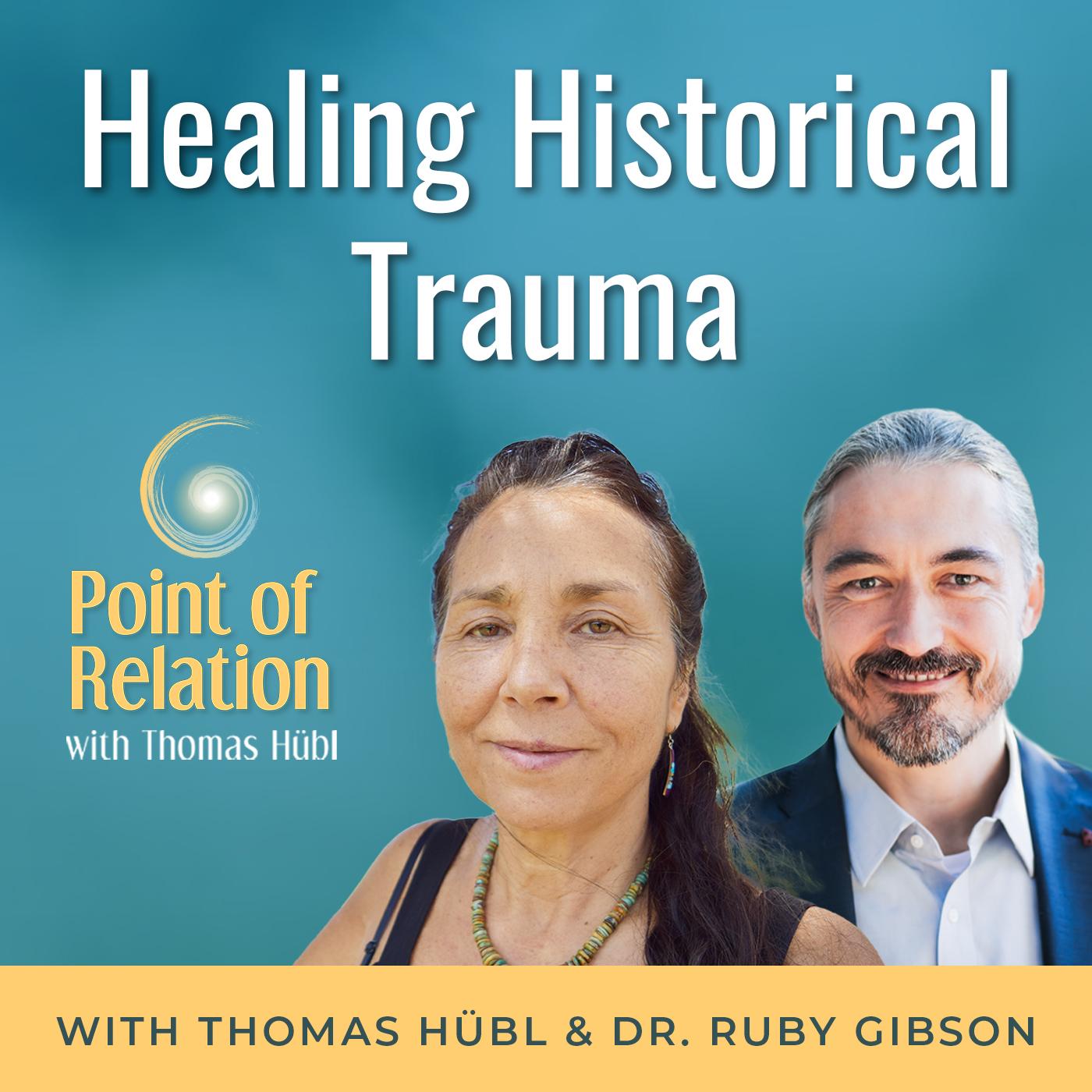
The story of Native American communities is one of immense strength and enduring spirit, yet it is also deeply marked by generations of profound adversity. Within Indian reservations across the United States, a pervasive and often misunderstood phenomenon known as historical trauma continues to cast a long shadow.
Understanding historical trauma is crucial for anyone seeking to comprehend the persistent disparities and challenges faced by Indigenous peoples today. It offers a vital lens through which to view issues ranging from public health crises to socioeconomic struggles, moving beyond simplistic explanations to address root causes.
This comprehensive article aims to shed light on historical trauma, exploring its origins in colonial violence and systemic oppression, its varied manifestations in contemporary reservation life, and the powerful, culturally grounded approaches to healing and resilience that are being embraced.
Defining Historical Trauma: More Than Just History
At its core, historical trauma refers to the cumulative emotional and psychological wounding over the lifespan and across generations, emanating from massive group trauma experiences. For Native Americans, these experiences include colonization, forced relocation, genocide, and cultural destruction.
It’s not merely the memory of past events, but the present-day impact of those events that continues to affect individuals, families, and entire communities. Unlike individual trauma, historical trauma is collective, shared, and passed down through generations, influencing current behaviors and health outcomes.

Key characteristics of historical trauma include its intergenerational nature, its cumulative effect, and its profound disruption of cultural identity, family systems, and traditional ways of life. It creates a ‘soul wound’ that impacts mental, emotional, spiritual, and physical well-being.
The Genesis of Trauma: A Timeline of Adversity
The roots of historical trauma run deep, tracing back to the earliest encounters with European colonizers. What followed was a systematic dismantling of Indigenous societies, economies, and spiritual practices.
Colonialism and Forced Displacement
The arrival of Europeans brought not only foreign diseases that decimated populations but also policies of land dispossession and forced removal. Treaties were broken, lands were stolen, and communities were uprooted, culminating in events like the infamous Trail of Tears.
The establishment of the reservation system further compounded this trauma. Native peoples, once sovereign nations, were confined to small, often barren tracts of land, severing their deep spiritual and economic ties to their ancestral territories. This loss of land meant a loss of identity, resources, and self-sufficiency.
The Boarding School Era: Cultural Genocide
Perhaps one of the most devastating chapters in this history was the era of Indian boarding schools, which operated from the late 19th to mid-20th centuries. The explicit goal was to ‘kill the Indian, save the man,’ through forced assimilation.
Children were forcibly removed from their families, often hundreds of miles away, stripped of their traditional clothing, forbidden to speak their native languages, and punished for practicing cultural traditions. Physical, emotional, and sexual abuse was rampant.

This experience created a profound rupture in family bonds and cultural transmission, leaving generations with deep-seated psychological wounds, identity confusion, and an inability to parent in culturally healthy ways, as they themselves were denied proper nurturing.
Ongoing Systemic Oppression and Discrimination
Even after the boarding school era, Native American communities continued to face systemic racism, discrimination, and policies that undermined their sovereignty and well-being. This includes policies like Termination and Relocation in the mid-20th century, which further disrupted tribal structures and forced many Indigenous individuals into urban areas, often without adequate support.
These historical events are not isolated incidents but rather a continuous stream of traumatic experiences that have collectively shaped the contemporary reality on reservations.
Manifestations of Historical Trauma in Present Day
The impact of historical trauma is not abstract; it manifests in tangible and devastating ways within Native American communities today, contributing to significant health and social disparities.
Mental Health Disparities
Higher rates of depression, anxiety, post-traumatic stress disorder (PTSD), and suicide are tragically common. The unresolved grief and chronic stress associated with historical trauma contribute significantly to these mental health challenges.
Substance Abuse
Alcohol and drug misuse are often observed as maladaptive coping mechanisms for the pain and despair stemming from historical trauma. These issues are deeply intertwined with the underlying psychological wounds, not simply individual choices.
Physical Health Issues
Chronic stress associated with historical trauma can have profound physiological effects, contributing to higher rates of chronic diseases such as diabetes, heart disease, and obesity within Indigenous populations.
Erosion of Cultural Identity and Community Disruption
The deliberate suppression of Indigenous cultures has led to a loss of language, traditional knowledge, and spiritual practices for many. This cultural disconnect contributes to feelings of alienation and can disrupt family structures and community cohesion, sometimes manifesting as domestic violence or child welfare challenges.
Socioeconomic Challenges
The historical denial of economic opportunities, land, and resources has created persistent poverty, unemployment, and educational disparities on many reservations, further exacerbating the cycle of trauma.
Intergenerational Transmission: How Trauma Lives On
- Epigenetic Changes: Emerging research suggests that trauma can literally alter gene expression, making descendants more susceptible to stress and related health issues.
- Parenting Styles: Parents who experienced trauma themselves may struggle with attachment, emotional regulation, or consistent parenting, inadvertently passing on traumatic responses.
- Storytelling and Silence: Trauma can be transmitted through stories of past suffering, but also through the ‘silence’ surrounding painful events, where unspoken grief and fear are absorbed by children.
- Learned Helplessness: Generations facing systemic oppression may internalize feelings of powerlessness, impacting their agency and hope for the future.
This means that individuals born today on reservations may carry the burdens of their ancestors’ suffering, even if they did not directly experience the initial traumatic events.
Pathways to Healing and Resilience
Despite the profound challenges, Native American communities are rich in resilience, strength, and cultural wisdom. Healing from historical trauma is a long-term process that is deeply rooted in cultural revitalization and community empowerment.
Cultural Revitalization and Language Preservation
Reconnecting with traditional languages, ceremonies, spiritual practices, arts, and storytelling is a powerful healing mechanism. These practices restore a sense of identity, belonging, and purpose, counteracting the effects of cultural genocide.
Community-Based Healing Approaches
Many tribal nations are developing their own healing programs, often incorporating traditional practices like talking circles, sweat lodges, vision quests, and elder guidance. These approaches foster collective healing and strengthen community bonds.
Trauma-Informed Care
Implementing culturally sensitive and trauma-informed mental health services is crucial. This means understanding the historical context of clients’ experiences and providing care that respects Indigenous worldviews and healing practices.
Strengthening Tribal Sovereignty and Self-Determination
Empowering tribal nations to govern themselves, manage their resources, and develop their economies is fundamental to healing. Self-determination fosters agency, hope, and the ability to create healthier futures for their people.
Education and Advocacy
Raising awareness about historical trauma among both Indigenous and non-Indigenous populations is vital for fostering understanding, empathy, and advocating for policies that support healing and justice. It involves acknowledging the past and working towards reconciliation.
Connection to Land and Ancestors
For many Indigenous peoples, the land is sacred and holds deep spiritual significance. Reconnecting with ancestral lands, engaging in traditional land stewardship, and honoring ancestors are integral parts of the healing journey.
Conclusion: A Path Forward with Strength and Hope
Historical trauma on Indian reservations is a complex and deeply entrenched issue, representing the ongoing legacy of centuries of oppression. Its impact on mental, physical, and spiritual health, as well as socioeconomic well-being, is undeniable and demands sustained attention and culturally appropriate interventions.
However, the narrative is not solely one of suffering. It is equally a testament to the extraordinary resilience, adaptability, and unwavering spirit of Native American peoples. Through cultural revitalization, community-led initiatives, and a renewed commitment to self-determination, Indigenous nations are actively forging paths toward healing and a brighter future.
Understanding and acknowledging historical trauma is the first step towards true reconciliation and support. It requires recognizing the profound wounds of the past while celebrating the enduring strength and vibrant cultures that continue to thrive against all odds.