The concept of justice is universal, yet its application varies significantly across different legal frameworks. Within the United States, a unique and often misunderstood facet of this framework is the tribal justice system operating within Native American reservations. These systems represent the exercise of inherent tribal sovereignty, a fundamental right that predates the formation of the United States itself.
Understanding tribal justice is crucial for anyone seeking a comprehensive view of law and order in America, as well as for those interacting with tribal nations. It’s a complex blend of traditional practices, modern legal structures, and intergovernmental relations.
The Foundation of Tribal Sovereignty and Justice
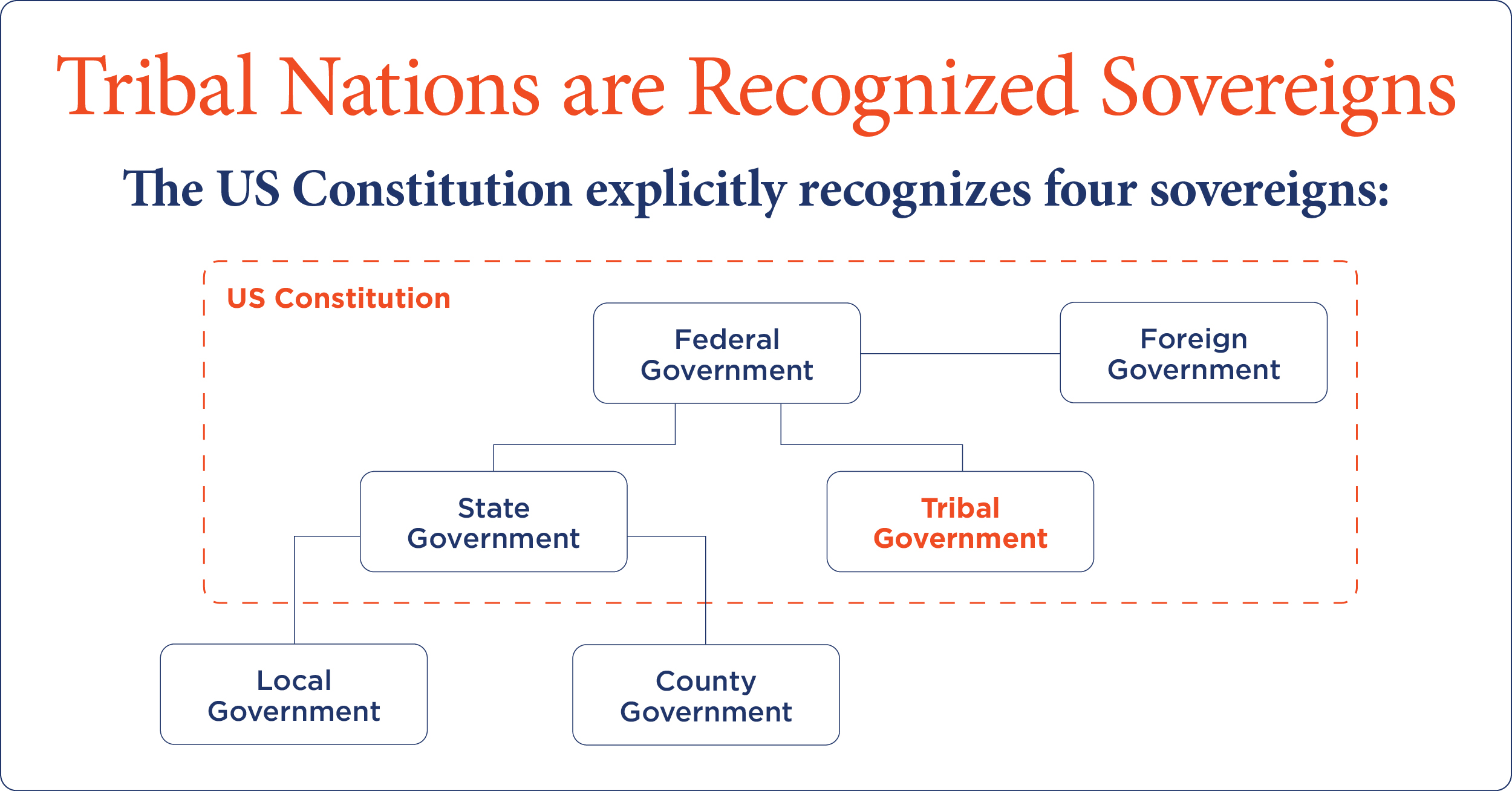
At the heart of tribal justice lies the principle of tribal sovereignty. Federally recognized tribes possess an inherent right to self-governance, which includes the authority to establish their own laws, courts, and law enforcement agencies. This sovereignty is not granted by the federal government but is recognized and affirmed through treaties, statutes, and Supreme Court decisions.
This self-determination allows tribal nations to address the unique cultural, social, and historical contexts of their communities through their own legal institutions, often leading to more culturally appropriate and effective justice outcomes.
A Brief History of Tribal Justice Systems
Historically, Indigenous nations had their own sophisticated justice systems rooted in custom, tradition, and community consensus. These systems often emphasized restoration, reconciliation, and healing rather than purely punitive measures.
The arrival of European colonizers and the subsequent formation of the United States led to a period of severe disruption, including attempts to dismantle tribal governments and legal systems. However, through resilience and legal advocacy, tribes have steadily reasserted their authority, culminating in the modern tribal court movement.
Legislation like the Indian Reorganization Act of 1934 and subsequent self-determination policies have been instrumental in allowing tribes to rebuild and strengthen their judicial institutions.
The Structure of Tribal Courts
- Trial Courts: These are the primary courts where cases are first heard, handling civil disputes, minor criminal offenses, and family matters.
- Appellate Courts: Many tribes have established appellate courts or utilize intertribal appellate courts to review decisions from their trial courts, ensuring due process and consistency.
- Traditional Courts/Peacemaking: Some tribes incorporate traditional methods of dispute resolution, such as peacemaking circles or elder councils, which emphasize community involvement, consensus, and healing.
These courts are staffed by tribal judges, clerks, prosecutors, and public defenders, many of whom are tribal members and possess a deep understanding of their community’s customs and values.
Understanding Jurisdictional Complexities
Jurisdiction is perhaps the most complex and frequently misunderstood aspect of tribal justice. It dictates which governmental entity – tribal, state, or federal – has the authority to prosecute crimes or resolve civil disputes within Indian Country.
Criminal Jurisdiction: Historically, tribal criminal jurisdiction over non-Indians was severely limited by the Supreme Court’s 1978 decision in Oliphant v. Suquamish Indian Tribe. This meant tribes generally could not prosecute non-Natives for crimes committed on their own lands.
However, significant legislative changes have occurred: The Violence Against Women Act (VAWA) reauthorization in 2013 and 2022 restored tribal criminal jurisdiction over non-Indians in specific cases involving domestic violence, dating violence, sexual assault, stalking, and child abuse committed against Native Americans in Indian Country.
The Major Crimes Act (18 U.S.C. § 1153) dictates that certain serious felonies (e.g., murder, rape, arson) committed by Native Americans in Indian Country are prosecuted in federal court. Other crimes committed by Native Americans typically fall under tribal jurisdiction, unless the state has been granted jurisdiction under Public Law 280.
Public Law 280: Enacted in 1953, Public Law 280 transferred criminal and some civil jurisdiction over certain reservations from the federal government to specific states. This created a patchwork of jurisdiction, with some states having full jurisdiction, others partial, and some none, often leading to confusion and resource disparities.
Civil Jurisdiction: Generally, tribal courts have broad civil jurisdiction over activities occurring within their reservations, particularly those involving tribal members or affecting tribal welfare and governance. This includes family law, contract disputes, and regulatory matters.
A landmark decision, McGirt v. Oklahoma (2020), affirmed that a large portion of eastern Oklahoma remains Indian Country for purposes of the Major Crimes Act, significantly impacting criminal jurisdiction and reinforcing tribal sovereignty.
The Indian Civil Rights Act (ICRA)
Enacted in 1968, the Indian Civil Rights Act (ICRA) extends certain, but not all, Bill of Rights protections to individuals subject to tribal government authority. It ensures due process, equal protection, and other fundamental rights within tribal court proceedings, similar to those found in the U.S. Constitution, but adapted to respect tribal governmental structures and cultural norms.
Unique Aspects and Strengths of Tribal Justice
- Restorative Justice: Many tribal courts prioritize healing, reconciliation, and repairing harm to victims and the community over pure punishment. This can involve victim-offender mediation, community service, and cultural teachings.
- Cultural Relevance: Proceedings often integrate tribal languages, spiritual practices, and traditional values, making the system more accessible and meaningful for tribal members.
- Community Focus: There’s a strong emphasis on maintaining community harmony and involving elders and community members in the justice process.
- Wellness and Healing Courts: Some tribes have developed specialized courts, like healing-to-wellness courts, which address underlying issues such as substance abuse or mental health through a holistic, treatment-oriented approach.
These approaches often lead to lower recidivism rates and stronger community bonds, demonstrating the effectiveness of culturally attuned justice.
Challenges Faced by Tribal Justice Systems
- Underfunding: Many tribal courts and law enforcement agencies are chronically underfunded, limiting their capacity, resources, and ability to attract and retain qualified personnel.
- Resource Scarcity: Lack of adequate infrastructure, technology, and training opportunities can hinder efficiency and effectiveness.
- Jurisdictional Gaps: The complex jurisdictional landscape can create gaps where crimes go unprosecuted or victims fall through the cracks, particularly in cases involving non-Natives or crimes committed by non-Natives against Native Americans outside of VAWA’s scope.
- Data Collection: Inconsistent or insufficient data collection can make it difficult to assess the scope of crime in Indian Country and the effectiveness of various interventions.
- Reciprocal Enforcement: Ensuring that tribal court orders (e.g., child custody, protection orders) are recognized and enforced by state and federal jurisdictions can sometimes be a challenge, though progress has been made.
The Role of Tribal Law Enforcement
Tribal police departments are crucial partners in maintaining public safety on reservations. They operate under tribal law, enforce tribal ordinances, and often work in close collaboration with federal agencies like the Bureau of Indian Affairs (BIA) and the FBI, as well as state and local law enforcement.
These officers face unique challenges, including vast geographical areas, limited resources, and the complexities of multi-jurisdictional crime.
What is the difference between federal, state, and tribal law on reservations?
The key difference lies in who has the authority to prosecute or adjudicate a case, which depends on the crime committed, the identity of the perpetrator and victim, and the location of the offense within Indian Country. Federal law applies to major crimes by Natives and crimes by non-Natives outside of VAWA. State law applies in certain PL 280 states or when a crime involves a non-Native victim/perpetrator outside of specific tribal jurisdiction. Tribal law applies to offenses defined by the tribe, usually committed by tribal members, and covers most civil matters.
Are tribal court decisions recognized by other courts?
Yes, generally. Under the principle of ‘comity,’ state and federal courts typically recognize and enforce tribal court judgments, provided the tribal court had proper jurisdiction and followed due process. Many states have specific statutes or case law affirming the recognition of tribal court orders, such as child custody decrees or protection orders.
The Future of Tribal Justice
The future of tribal justice is bright with potential for continued growth and self-determination. Tribes are increasingly asserting their inherent authority, expanding their court systems, developing sophisticated legal codes, and forging stronger partnerships with federal and state entities.
Efforts are underway to address jurisdictional gaps, enhance funding, and promote the unique restorative and culturally relevant aspects of tribal justice. The ultimate goal is to ensure that all residents of Indian Country have access to fair, effective, and culturally appropriate justice.
Conclusion
The tribal justice system is a dynamic and essential component of the American legal landscape. It embodies the resilience and self-governance of Native American nations, offering a unique approach to law and order that often prioritizes healing, community, and cultural preservation. While facing significant challenges, these systems are vital for upholding justice, protecting communities, and affirming tribal sovereignty on reservations across the United States. Understanding their intricacies is not just an academic exercise, but a recognition of diverse paths to justice.
As tribes continue to strengthen their judicial institutions, their contributions to the broader discourse on justice, rehabilitation, and community well-being will undoubtedly grow in significance.

&w=200&resize=200,135&ssl=1 "Renewable Energy Projects On Indian Reservations")

