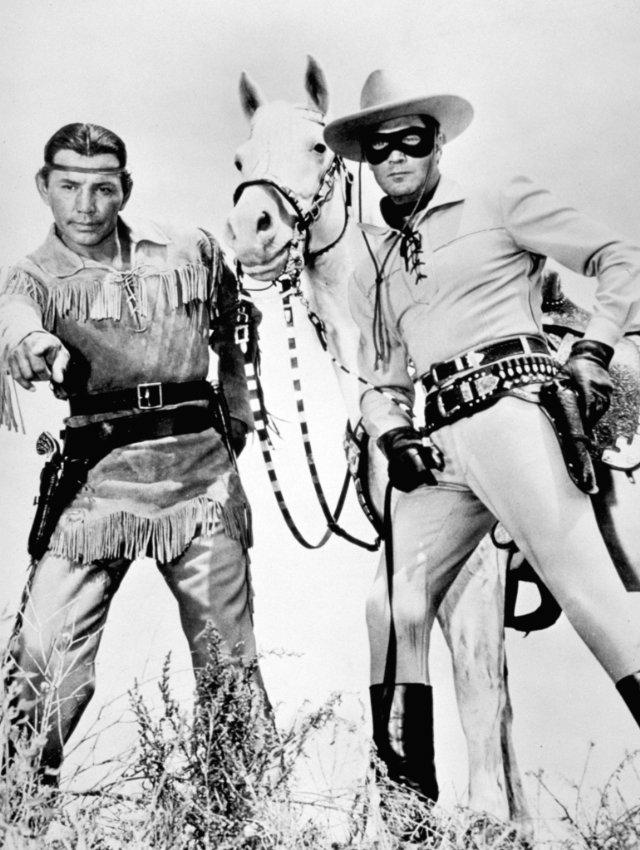
The term ‘Kemosabe’ is instantly recognizable to millions, primarily associated with the classic American Western hero, The Lone Ranger, and his faithful Indigenous companion, Tonto. For generations, it has been understood as a term of endearment, perhaps meaning ‘trusted friend’ or ‘faithful scout.’ However, the history and meaning behind ‘Kemosabe’ are far more complex, weaving together threads of popular culture, linguistics, and the often-problematic representation of Native American peoples in media.
This comprehensive article will delve into the historical context of ‘Kemosabe,’ examining its genesis within the fictional world of ‘The Lone Ranger,’ exploring its purported linguistic origins, and discussing the significant cultural debates that have arisen around its usage. Understanding ‘Kemosabe’ requires more than a simple definition; it demands a journey through American entertainment history and a critical look at cultural representation.
The story of ‘Kemosabe’ begins with the iconic radio program, The Lone Ranger, which first aired in 1933 on radio station WXYZ in Detroit. Created by George W. Trendle and Fran Striker, the show quickly captivated audiences with tales of a masked Texas Ranger fighting injustice in the Old West. Central to the narrative was the enigmatic figure of Tonto, the Lone Ranger’s loyal and resourceful companion.
Tonto, a Potawatomi man who saved the Lone Ranger’s life, became an indispensable character, offering wisdom, tracking skills, and a unique perspective. It was Tonto who frequently addressed the Lone Ranger as ‘Kemosabe,’ cementing the term in the American lexicon.
The initial perception of ‘Kemosabe’ within the show’s narrative was overwhelmingly positive, intended to signify a bond of deep friendship and respect between two disparate individuals. The term was portrayed as Tonto’s personal and unique way of addressing his partner, further distinguishing their relationship.
For many years, fans and casual listeners alike accepted this interpretation without question, seeing ‘Kemosabe’ as a charming, if somewhat mysterious, part of the show’s appeal. It represented a connection, a secret language of trust between hero and sidekick.
However, as cultural awareness and linguistic scholarship advanced, questions began to emerge regarding the actual meaning and origin of ‘Kemosabe.’ Was it merely a made-up word for the show, or did it have genuine linguistic roots? The prevailing theory points to an Indigenous language, specifically the Ojibwe language (Anishinaabemowin).
Many scholars and linguists suggest that ‘Kemosabe’ is derived from the Ojibwe word ‘Gimoozaabi’ or ‘Gii-moozhaabii.’ This term translates roughly to ‘he who looks stealthily’ or ‘scout.’ This interpretation makes significant sense within the context of the Western genre, where scouting and keen observation were vital skills for survival and tracking.
Another proposed origin, often cited, is ‘Kee-mo-sah-bee,’ meaning ‘trusty scout’ or ‘one who is trusted.’ This aligns closely with the character of Tonto and his role as a guide and protector. The slight variations in spelling and interpretation often stem from the challenges of transliterating Indigenous oral languages into English.
It’s also worth noting that the creator of The Lone Ranger, George W. Trendle, claimed the name came from a boys’ camp in Michigan called Kamp Kee-Mo Sah-Bee, which he had attended. The camp’s name itself was supposedly derived from local Indigenous languages, reinforcing the Ojibwe connection.
The linguistic journey of ‘Kemosabe’ is not without its debates. While Ojibwe is the most widely accepted source, some argue for connections to other Algonquian languages, such as Potawatomi, given Tonto’s stated tribal affiliation. However, the ‘Gimoozaabi’ connection remains the strongest and most commonly cited academic explanation.
Despite its seemingly innocuous origins within a fictional narrative, ‘Kemosabe’ has become a focal point for discussions about cultural appropriation and the perpetuation of stereotypes concerning Indigenous peoples in media. The term itself, while perhaps derived from an authentic language, was popularized by a non-Indigenous creative team.
The portrayal of Tonto, and by extension, the use of ‘Kemosabe,’ often fell into the ‘noble savage’ or ‘sidekick’ trope, reducing complex Indigenous cultures to simplistic, subservient roles. This simplification has historically contributed to misunderstandings and misrepresentations of Native American identity.
Many Indigenous individuals and organizations view ‘Kemosabe’ with skepticism, if not outright disdain, seeing it as a symbol of the broader issue of Hollywood’s historical tendency to tokenize, stereotype, and exoticize Native American characters rather than portraying them with authenticity and respect. The term, divorced from its true linguistic context and placed within a stereotypical framework, can feel demeaning.
The question, ‘Is Kemosabe an insult?’, is complex. While not inherently an insult in its original linguistic form, its widespread popularization within a culturally insensitive framework has imbued it with problematic connotations. For some, it evokes the era of harmful stereotypes, making its casual use offensive.

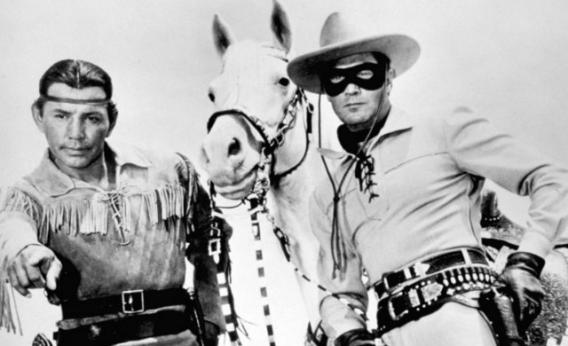
Beyond radio, ‘Kemosabe’ found its way into the highly successful television series (1949-1957) starring Clayton Moore as the Lone Ranger and Jay Silverheels as Tonto. This further cemented the term in the global consciousness, reaching an even wider audience.
The term continued its journey through various film adaptations, comic books, and merchandise, becoming an indelible part of pop culture. Its usage transcended the Western genre, appearing in cartoons, comedies, and even everyday conversation, often used humorously or ironically to refer to a friend or associate.
Even today, despite increased awareness of cultural sensitivity, ‘Kemosabe’ occasionally appears in media or casual speech, often by individuals unaware of its intricate history and the potential for offense. This persistence highlights the deep entrenchment of the term in collective memory.
The historical context of ‘Kemosabe’ serves as a crucial case study in media representation. It underscores the responsibility of creators to research and portray cultures accurately and respectfully, avoiding the perpetuation of stereotypes, even if unintentionally.
Modern Indigenous artists, writers, and filmmakers are actively working to reclaim narratives and provide authentic portrayals of Native American life and history. This involves challenging outdated tropes and offering nuanced perspectives that reflect the richness and diversity of Indigenous cultures.
In recent years, there has been a significant movement towards greater cultural competency in media. This includes consulting with Indigenous communities, hiring Indigenous talent, and ensuring that cultural elements, including language, are treated with the respect and accuracy they deserve.
The legacy of ‘Kemosabe’ is a powerful reminder that words carry weight, especially when they cross cultural boundaries. What might seem like an innocent term from a beloved show can, over time, accumulate layers of meaning and controversy, reflecting broader societal issues.
To truly understand ‘Kemosabe’ is to appreciate its dual nature: a term of fictional camaraderie born from a popular radio show, and a word with a deep, authentic linguistic heritage that has been complicated by its journey through mainstream media and its association with historical stereotypes.
The historical context of ‘Kemosabe’ is a rich tapestry woven from entertainment history, linguistic inquiry, and critical cultural analysis. It began as a seemingly simple term of address from Tonto to the Lone Ranger, purportedly signifying ‘trusted friend’ or ‘scout.’
Its widely accepted linguistic origin points to the Ojibwe word ‘Gimoozaabi,’ meaning ‘he who looks stealthily.’ This etymology provides a fascinating glimpse into the potential real-world inspiration behind the fictional term.
However, ‘Kemosabe’ also stands as a potent symbol in the ongoing dialogue about Indigenous representation and cultural appropriation. Its popularization within a context that often simplified and stereotyped Native American characters has led to its problematic status for many.
Ultimately, ‘Kemosabe’ is more than just a word; it is a historical artifact that encapsulates the complex relationship between popular culture and cultural identity. Its journey from a radio show to a subject of academic and cultural debate highlights the enduring impact of media on our understanding of history and diverse cultures.
Understanding its origins and the controversies it evokes is essential for anyone seeking a deeper appreciation of American cultural history and the evolving landscape of Indigenous representation.


