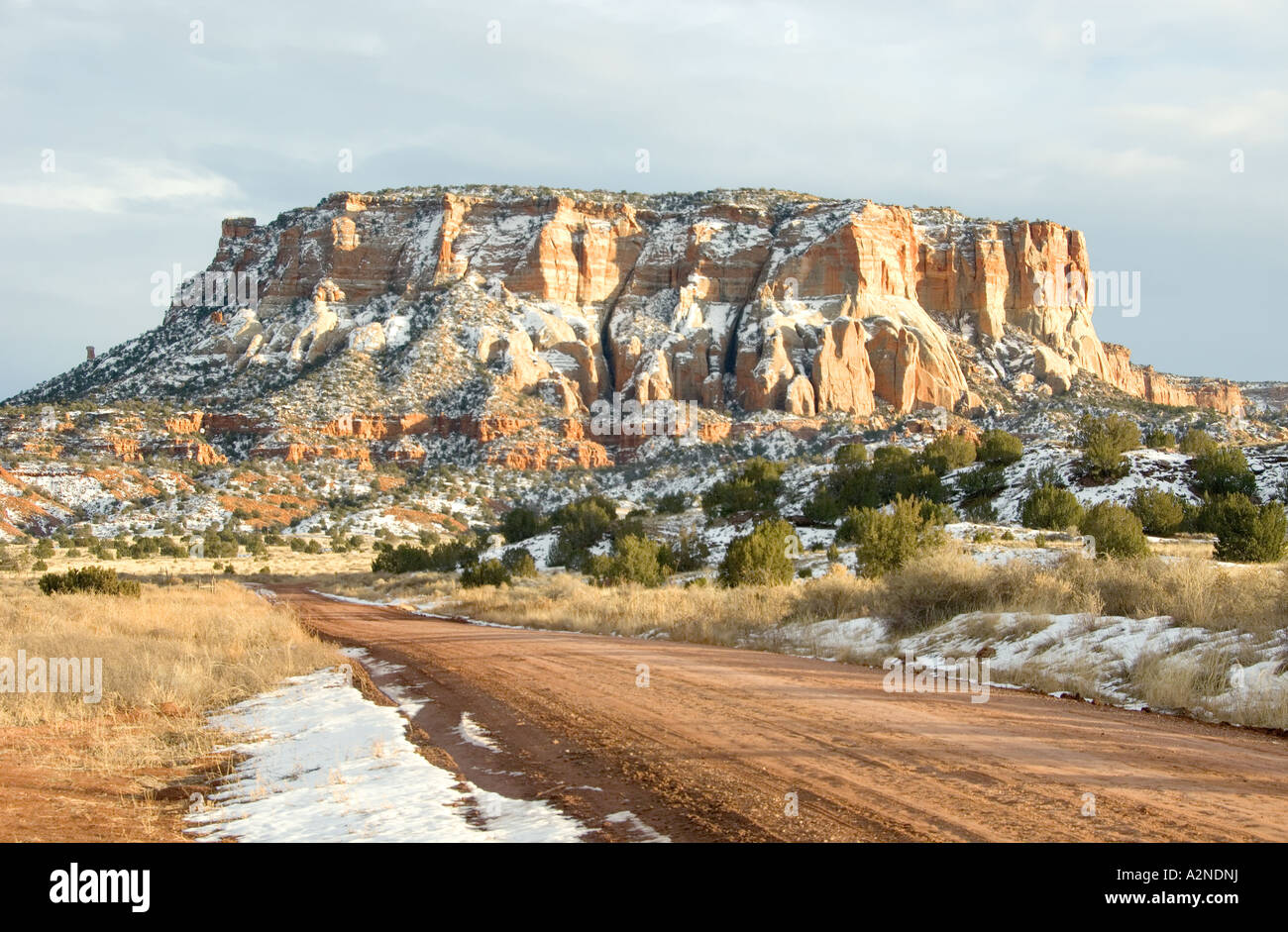
Nestled in the high desert landscape of western New Mexico, the Zuni Pueblo stands as a testament to enduring culture, profound spirituality, and remarkable artistic legacy. It is one of the nineteen federally recognized pueblos in New Mexico and holds the distinction of being the largest, both geographically and in population, among them. For centuries, the Zuni people, or A:shiwi as they call themselves, have maintained a vibrant society rich in traditions that predate European contact, offering visitors a unique window into an ancient way of life.
The story of Zuni Pueblo is one of deep roots, stretching back thousands of years to the ancestral Puebloans who inhabited the Southwest. Archaeological evidence indicates continuous occupation in the Zuni River valley for over 1,300 years, making it one of the oldest continuously inhabited settlements in North America. The Zuni people are believed to be descendants of the Mogollon and Anasazi cultures, adapting and thriving in a challenging environment through sophisticated agricultural practices and intricate social structures.
Unlike many other Pueblo peoples who speak Tanoan languages, the Zuni speak a linguistic isolate called Shiwi’ma. This unique language has no known relatives, further emphasizing the distinct cultural trajectory of the Zuni people. It is a language deeply intertwined with their worldview, history, and ceremonial life, spoken by nearly all tribal members, a remarkable feat of cultural preservation in the modern era.
At the heart of Zuni life is a complex and deeply spiritual belief system. Traditional Zuni religion revolves around a pantheon of deities and spirits, including the Sun Father, Moon Mother, and various Kachina (Koko) spirits who act as intermediaries between humans and the spiritual realm. These spirits are honored through elaborate ceremonies, dances, and rituals performed throughout the year, many of which are held in sacred kivas – underground ceremonial chambers.
The ceremonial calendar of Zuni Pueblo is meticulously observed, with public and private rituals marking important agricultural cycles, seasonal changes, and spiritual events. The Shalako ceremony, an annual winter solstice celebration, is perhaps the most famous and visually spectacular, featuring towering Shalako dancers who bless new homes and pray for fertility and prosperity. This event, while awe-inspiring, is deeply sacred and requires visitors to adhere to strict rules regarding photography and respectful observation.
Zuni artistry is world-renowned, characterized by its intricate detail, symbolic meaning, and exceptional craftsmanship. For generations, Zuni artisans have honed skills passed down through families, creating pieces that are not merely decorative but embody cultural narratives and spiritual significance. The three most prominent art forms are pottery, jewelry, and fetish carving, each distinct yet interconnected.

Zuni Pottery: Earth, Water, and Spirit. Zuni pottery is distinguished by its thin walls, polished surfaces, and intricate designs, often featuring deer with heart-line motifs, ceremonial figures, or geometric patterns. Traditionally, Zuni potters use local clay, hand-coil their vessels, and fire them in outdoor kilns, preserving techniques that have remained largely unchanged for centuries. Each pot tells a story, connecting the maker to their ancestors and the earth.
The Intricate World of Zuni Jewelry. Zuni silversmiths are masters of inlay and stone-on-stone work, creating breathtaking pieces that often feature turquoise, coral, jet, and mother-of-pearl. Their signature styles include needlepoint, petite point, and channel inlay, where meticulously cut stones are set within intricate silver matrices. Zuni jewelry is not just adornment; it is a wearable form of art that reflects cultural identity and spiritual protection.
Zuni Fetishes: Guardians and Guides. Perhaps most unique to Zuni are their animal fetishes – small, hand-carved stone figures believed to embody the spirit of the animal they represent. Carved from various stones like turquoise, serpentine, jet, and alabaster, these fetishes serve as protectors, healers, and guides. Each animal has specific attributes: bears for strength, wolves for loyalty, eagles for vision. They are often adorned with offerings of shell, turquoise, and feathers.
Life on the Zuni Reservation today is a dynamic blend of ancient traditions and modern challenges. The Zuni Tribal Government, operating under a constitution, works to uphold tribal sovereignty, manage resources, and provide essential services to its members. Education, healthcare, and economic development are key priorities, as the community strives to balance cultural preservation with progress in the 21st century.
The Zuni economy traditionally relied on agriculture, hunting, and trade. While these practices still hold cultural significance, modern economic ventures include tribal enterprises, tourism, and the thriving Zuni art market. The Zuni people are committed to self-sufficiency and creating opportunities for their youth while maintaining their distinct cultural identity.
Visiting Zuni Pueblo offers a profound opportunity to experience a living culture, but it requires a commitment to respectful engagement. The Zuni people welcome visitors who genuinely wish to learn and appreciate their heritage. However, due to the sacred nature of many aspects of Zuni life, certain protocols must be observed.
Essential Visitor Etiquette. When visiting, always remember that you are a guest in a sovereign nation. Photography is generally restricted, especially during ceremonial dances and inside religious structures. Always ask permission before photographing individuals, even if general photography is allowed in an area. Dress modestly, speak softly, and be mindful of your surroundings. Public ceremonies are not performances but sacred events.
The A:shiwi A:wan Museum and Heritage Center is an excellent starting point for any visitor. It offers invaluable insights into Zuni history, culture, and art through exhibits, educational programs, and a gift shop featuring authentic Zuni creations. This center serves as a vital institution for cultural preservation and community engagement.
For those interested in acquiring authentic Zuni art, several galleries and shops within the pueblo offer direct sales from artists. This provides an opportunity to support the Zuni economy directly and purchase pieces with verified provenance. Look for establishments like the Zuni Pueblo MainStreet Arts & Cultural District, where you can find a diverse array of pottery, jewelry, and fetishes.
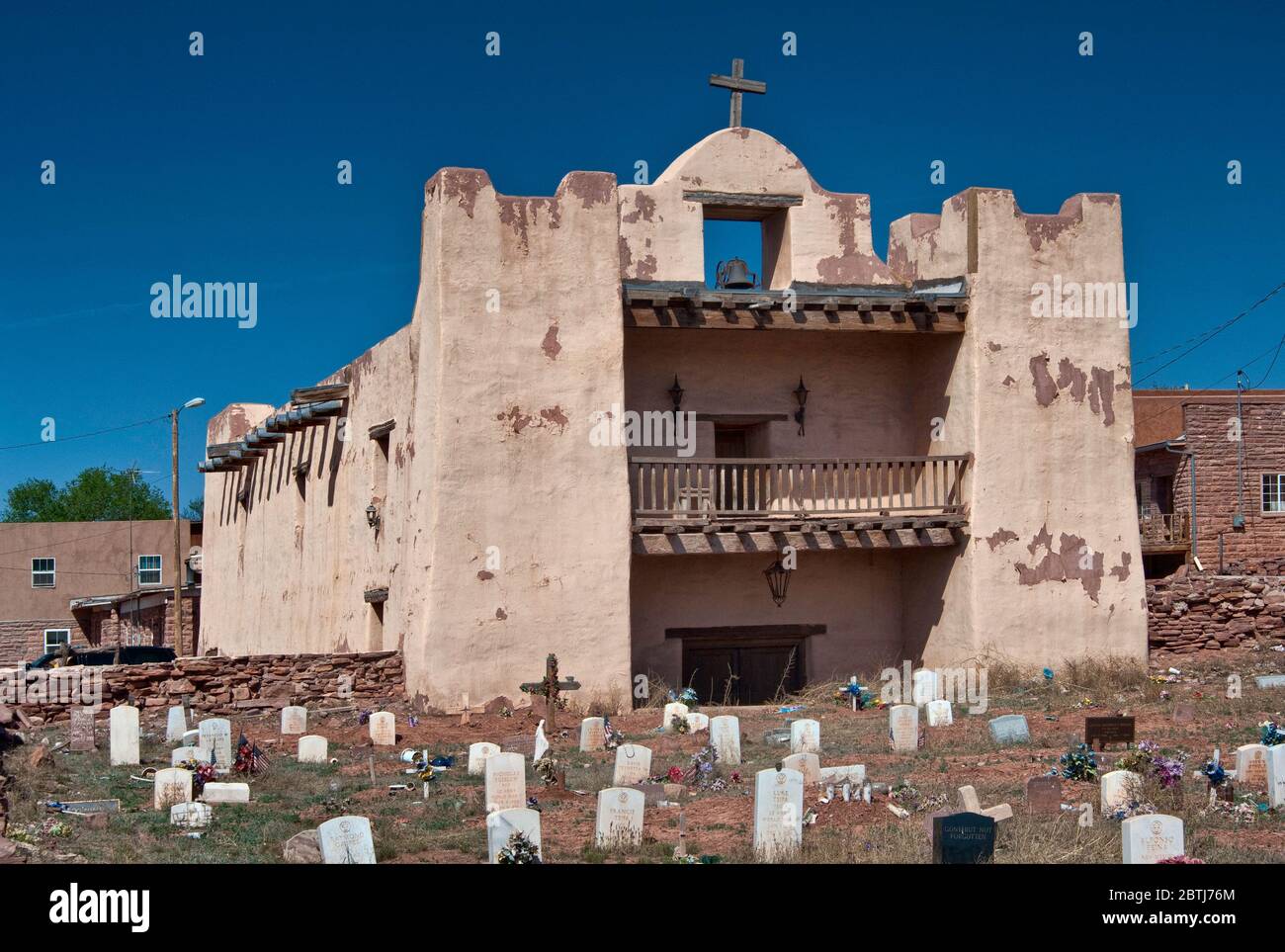
Zuni Pueblo faces the ongoing challenge of preserving its unique culture and language in an increasingly globalized world. Efforts include language immersion programs for children, documentation of traditional stories and practices, and initiatives to empower Zuni youth to embrace their heritage. The strength of the Zuni community lies in its collective dedication to these traditions.
What makes Zuni Pueblo unique among Native American tribes? The Zuni Pueblo stands out due to its distinct language (Shiwi’ma), which is a linguistic isolate, its highly intricate and symbolically rich art forms (especially pottery, jewelry, and fetish carving), and its deeply preserved ceremonial calendar, including the renowned Shalako ceremony.
Are there restrictions on visiting Zuni Pueblo? Yes, visitors are generally welcome, but strict rules apply, particularly regarding photography (often prohibited during ceremonies and in sacred areas), respectful attire, and behavior. It is always advisable to check with the A:shiwi A:wan Museum and Heritage Center or the tribal office for current visitor guidelines before your trip.
What kind of art can I find in Zuni? Zuni is famous for its exquisite arts and crafts, including:
- Pottery: Characterized by thin walls, deer motifs, and geometric designs.
- Jewelry: Known for intricate inlay work, needlepoint, petite point, and channel inlay using turquoise, coral, jet, and mother-of-pearl.
- Fetishes: Hand-carved animal figures believed to possess spiritual power.
How does the Zuni community preserve its traditions? The Zuni community employs various strategies, including language immersion programs for children, maintaining traditional ceremonial practices, supporting indigenous art forms, documenting oral histories, and actively educating both tribal members and outsiders about their culture through institutions like the A:shiwi A:wan Museum and Heritage Center.
In conclusion, Zuni Pueblo is more than just a historical site; it is a vibrant, living cultural landscape where ancient traditions thrive alongside modern life. Its people, language, art, and ceremonies offer a profound testament to resilience, creativity, and spiritual depth. A visit to Zuni is an invitation to engage with a truly unique and enduring heritage, fostering a deeper understanding and appreciation for one of America’s most remarkable indigenous communities.
The commitment of the Zuni people to their cultural integrity is unwavering. They have navigated centuries of change, preserving their identity through Spanish conquest, American expansion, and the challenges of contemporary society. This resilience is woven into the fabric of their art, their language, and their daily lives, making Zuni Pueblo a powerful symbol of cultural survival.
Understanding the Zuni worldview means appreciating their deep connection to the land and their ancestors. Every aspect of their culture, from farming practices to ceremonial dances, is imbued with this reverence. It’s a holistic approach to life that emphasizes balance, community, and respect for all living things.
For those planning a trip to the American Southwest, including Zuni Pueblo in your itinerary offers an unparalleled cultural experience. It’s an opportunity to move beyond typical tourist attractions and connect with a community that actively lives and breathes its heritage every day. Remember to approach your visit with an open mind and a respectful heart.
The influence of Zuni art extends far beyond the reservation, inspiring artists and collectors worldwide. The distinct Zuni style, particularly in jewelry and fetish carving, is easily recognizable and highly coveted. Supporting Zuni artists directly not only ensures the authenticity of your purchase but also contributes to the economic well-being and cultural continuity of the community.
Moreover, the Zuni people have been at the forefront of advocating for the protection of their cultural resources and ancestral lands. Their efforts in repatriation of sacred items and archaeological preservation highlight their dedication to safeguarding their heritage for future generations. This ongoing advocacy is a critical part of their tribal sovereignty.
The Zuni River, though often dry in parts, holds immense historical and spiritual significance for the Zuni people. It was the lifeblood that sustained their agricultural practices for millennia, providing water for their crops of corn, beans, and squash. The river valley is dotted with ancient ruins and sacred sites, further emphasizing the deep historical ties to this landscape.
Community engagement is a cornerstone of Zuni society. From traditional clan systems to modern tribal councils, decisions are often made with a focus on collective well-being and the preservation of cultural norms. This strong sense of community is evident in their shared responsibilities for ceremonies, harvests, and the education of their children.
The Zuni language, Shiwi’ma, is not merely a means of communication but a carrier of Zuni identity, history, and philosophy. Efforts by the Zuni tribe to revitalize and sustain their language are crucial, as language loss often correlates with cultural erosion. These initiatives include creating dictionaries, language classes, and incorporating Zuni into school curricula.
Finally, the story of Zuni Pueblo is a powerful reminder of the diversity and richness of Native American cultures. It challenges monolithic perceptions and invites a deeper understanding of the unique histories, spiritualities, and artistic expressions that have flourished on this continent for thousands of years. Zuni stands as a beacon of cultural resilience and enduring spirit.


