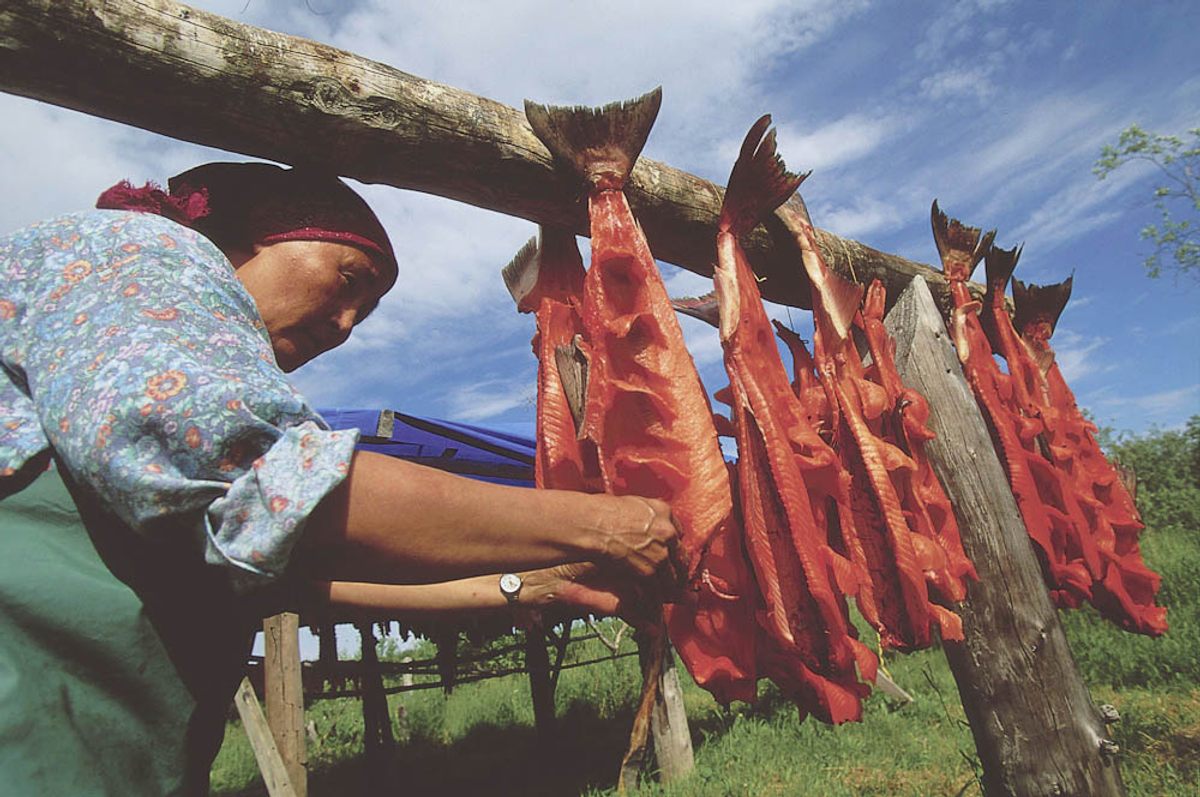
The vast, often unforgiving landscapes of Southwest Alaska are home to the Yupik people, an indigenous group whose existence has been deeply intertwined with the rhythms of the land and sea for millennia. Central to their way of life, culture, and survival are the traditional fishing camps, vibrant hubs of activity that come alive each summer.
These camps are far more than mere seasonal fishing spots; they are living classrooms, community centers, and the very heart of Yupik subsistence culture. They represent a profound connection to ancestral lands and waters, embodying generations of traditional knowledge passed down through oral histories and practical experience.
For the Yupik, who primarily reside along the Bering Sea coast and the expansive Yukon-Kuskokwim Delta, subsistence living is not just a practice but a philosophy. It is a harmonious relationship with nature, providing food, materials, and a spiritual connection that sustains their communities.
A Glimpse into Yupik Culture and Geography
The Yupik, one of Alaska’s largest Native groups, have developed a rich and resilient culture shaped by their Arctic and sub-Arctic environment. Their traditional territory spans thousands of square miles, characterized by vast tundra, intricate river systems like the Yukon and Kuskokwim, and a coastline teeming with marine life.
This unique geographical setting has dictated a life centered around harvesting natural resources, with fish—particularly salmon—serving as the cornerstone of their diet and economy. The Yup’ik language, Central Alaskan Yup’ik, is also a vital component of their cultural identity, often spoken and taught within the camps.
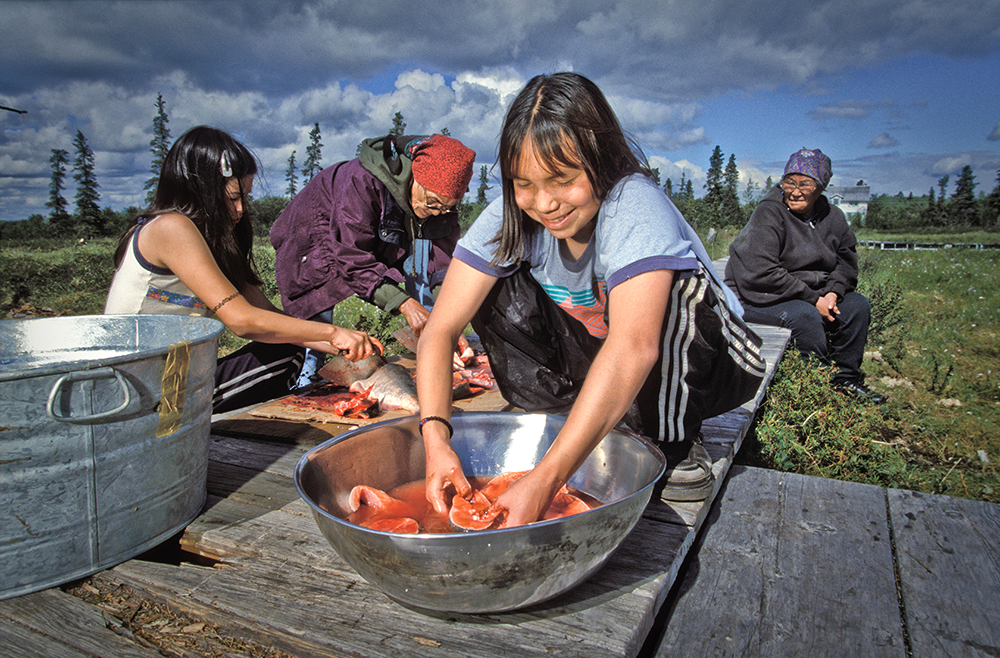
The Heart of Subsistence: Why Fishing Camps Matter
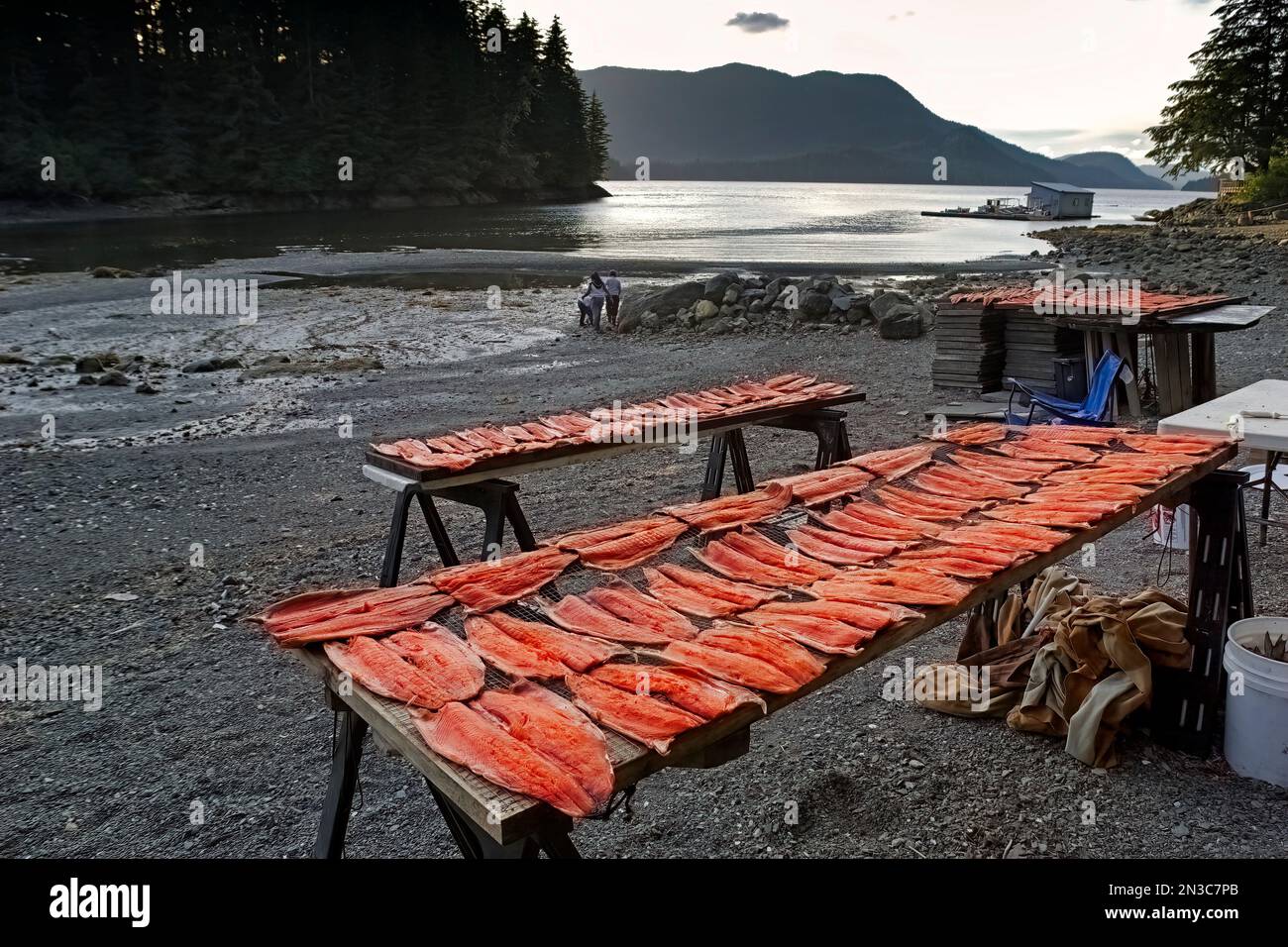
Traditional fishing camps are critical for several reasons. Primarily, they are essential for harvesting and processing the immense quantities of fish needed to sustain families throughout the long Alaskan winter. This involves intricate methods of drying, smoking, and freezing fish, ensuring food security.
Beyond sustenance, these camps are powerful vehicles for cultural transmission. Elders teach younger generations not only how to fish and process, but also the stories, songs, values, and language that define Yupik identity. It’s a holistic educational experience that cannot be replicated elsewhere.
Economically, while modern influences are present, the camps reinforce a traditional economy based on sharing, reciprocity, and self-sufficiency. Fish caught and processed are distributed among family members and community elders, strengthening social bonds.
Seasonal Rhythms: The Annual Cycle of the Fishing Camp
The annual cycle of a Yupik fishing camp is dictated by the salmon runs. As spring gives way to summer, families migrate from their villages to established camp sites, often located at ancestral fishing grounds along rivers or coastal areas.
The summer months, typically June through August, are a period of intense activity. Different species of salmon arrive at varying times: King (Chinook), Sockeye (Red), Chum (Dog), Coho (Silver), and Pink (Humpy) salmon. Each run brings specific fishing strategies and processing needs.
Preparations begin well before the fish arrive, with repairs to cabins, drying racks, and fishing gear. Children and adults alike contribute, learning the importance of preparedness and collective effort. The air fills with the scent of woodsmoke and drying fish, a defining aroma of the Alaskan summer.
Traditional Fishing Methods and Tools
Yupik people employ a variety of ingenious methods and tools, reflecting centuries of accumulated traditional knowledge.
- Gillnets: These are perhaps the most common tool. Nets are carefully set in strategic locations, often across currents or in eddies, to intercept migrating salmon. The mesh size is crucial, designed to catch fish by their gills.
- Fish Wheels: Particularly prevalent on larger rivers like the Yukon and Kuskokwim, fish wheels are passive fishing devices that use the river’s current to scoop fish into a holding pen. They are highly efficient and require less constant supervision than nets.
- Traps and Weirs: Historically, various forms of fish traps and weirs were used, often constructed from local wood and brush, designed to funnel fish into an enclosed area for easy harvesting. While less common today, their design principles inform modern practices.
The placement and timing of these methods are critical and rely heavily on intimate knowledge of local currents, fish behavior, and environmental indicators—knowledge passed down through generations.
Life at the Camp: A Day in the Life
Life at a traditional Yupik fishing camp is communal and structured, though not rigid. Days are long during the peak season, often starting before dawn and ending after sunset. The division of labor is generally clear but flexible, with everyone contributing.
Men typically focus on setting and tending nets, operating fish wheels, and bringing in the catch. Women and older children are primarily responsible for the meticulous and labor-intensive work of cleaning, filleting, and processing the fish. This includes cutting strips for drying (qassayaaq), smoking, or salting.
Shelter at camps varies from traditional canvas tents and modified tarps to more permanent wooden cabins built over generations. The central gathering place is often the smokehouse, where fish are preserved, and stories are shared.
Evenings are a time for storytelling, card games, and sharing meals, often featuring freshly caught fish. Children learn by observing and participating, absorbing cultural lessons naturally through daily activities and conversations in Yup’ik.
The Spiritual Connection: Respect for the Land and Animals
This respect translates into sustainable harvesting practices, ensuring that enough fish escape to spawn and sustain future generations. Waste is minimized, and every part of the animal is utilized, reflecting a philosophy of reverence and gratitude.
The Role of Women and Children in Fishing Camps
The role of Yupik women in fishing camps is absolutely vital. They are the primary custodians of fish processing and preservation techniques, skills essential for winter survival. Their expertise in cutting, drying, and smoking ensures the success of the entire season’s harvest.
Children are integral to camp life. From a young age, they learn to help with chores, observe elders, and gradually take on more responsibilities. This intergenerational learning is crucial for passing on not just practical skills, but also the Yup’ik language, cultural values, and traditional knowledge.
Modern Challenges and Adaptations
Yupik traditional fishing camps face numerous challenges in the 21st century. Climate change impacts are perhaps the most pressing, leading to unpredictable weather patterns, changes in fish migration routes and run timings, and coastal erosion threatening camp sites.
Regulatory pressures from state and federal agencies regarding fishing quotas, permits, and conservation efforts can sometimes conflict with traditional subsistence practices, requiring careful navigation and advocacy.
The increasing influence of the cash economy and modern technology also presents both opportunities and dilemmas. While outboard motors and modern fishing gear can increase efficiency, they also introduce new costs and can subtly alter traditional community dynamics.
Despite these challenges, Yupik communities demonstrate remarkable resilience and adaptability. They integrate modern tools while striving to preserve the core values and practices of their ancestors, finding innovative ways to continue their subsistence lifestyle.
Preserving a Precious Heritage: Efforts for the Future
Efforts to preserve Yupik traditional fishing camps and the associated cultural heritage are ongoing and multifaceted. Cultural revitalization programs focus on teaching the Yup’ik language and traditional skills to younger generations, often through immersion camps.
Intergenerational knowledge transfer remains paramount, with elders actively mentoring youth in all aspects of camp life, ensuring that vital skills and stories are not lost. Advocacy groups work to protect subsistence rights and ensure that Yupik voices are heard in resource management decisions.
Promoting sustainable practices, often rooted in traditional ecological knowledge, is key to adapting to environmental changes and ensuring the long-term viability of fish populations and the camps that depend on them. These efforts are crucial for the health and identity of Yupik communities.
Conclusion: Sustaining a Legacy for Generations to Come
Yupik traditional fishing camps are more than just places to catch fish; they are vibrant expressions of cultural identity, community resilience, and profound respect for the natural world. They represent an enduring legacy of adaptation, knowledge, and spiritual connection.
Despite modern challenges like climate change and regulatory shifts, the Yupik people continue to sustain these vital cultural hubs, ensuring that the lessons, traditions, and sustenance derived from their ancestral lands and waters will continue to nourish future generations. Understanding and supporting these practices is crucial for appreciating the rich tapestry of Alaska Native cultures.


