
The Yupik people, indigenous inhabitants of western and southwestern Alaska and the Russian Far East, possess a vibrant cultural heritage deeply rooted in their Arctic environment. Central to their way of life are traditional feasts and celebrations, which serve not merely as occasions for eating, but as profound expressions of community, spirituality, gratitude, and the perpetuation of ancestral knowledge.
These feasts are intricate tapestry woven from ritual, dance, song, storytelling, and the sharing of sustenance. They reinforce social bonds, honor the spirits of animals and ancestors, and ensure the cultural continuity that has sustained the Yupik through millennia. Understanding these celebrations offers a unique window into the profound connection Yupik people maintain with their land, their history, and each other.
The Essence of Yupik Feasts: More Than Just Food
At their core, Yupik traditional feasts are holistic events that transcend simple culinary gatherings. They are powerful communal ceremonies designed to give thanks, to communicate with the spiritual world, to educate the young, and to redistribute resources. Every element, from the preparation of food to the intricate dances, carries deep cultural and spiritual meaning.
These celebrations are intrinsically linked to the Yupik’s subsistence lifestyle, which relies heavily on hunting and fishing. Feasts often mark successful harvests, honor the animals that provide sustenance, and seek blessings for future endeavors. They are a testament to the Yupik’s profound respect for nature and the delicate balance of their ecosystem.
Key Traditional Feast Celebrations

The Yupik calendar is punctuated by several significant feasts, each with its unique purpose and set of rituals. Two of the most prominent are the Messenger Feast and the Bladder Feast, both of which highlight different facets of Yupik spirituality and community life.
The Messenger Feast (Kevgiq): A Bridge Between Villages
The Kevgiq, or Messenger Feast, is a grand inter-village celebration that historically served as a vital diplomatic and social event. It was an occasion for villages to exchange goods, reaffirm alliances, and engage in elaborate ceremonies involving masked dances and gift-giving. This feast could last for several days, fostering connections and strengthening the broader Yupik community.
During the Messenger Feast, messengers would travel between villages, extending formal invitations. The host village would prepare extensively, accumulating food and gifts. Upon the guests’ arrival, a series of performances, including drumming and masked dances, would commence, often telling stories or honoring specific spirits. The culmination involved the ceremonial exchange of gifts, symbolizing mutual respect and interdependence.
The spiritual dimension of the Kevgiq was equally important. It was believed that through the dances and rituals, participants could communicate with the spirits of animals and ancestors, ensuring continued prosperity and good fortune. The elaborate masks worn by dancers were not mere costumes but sacred objects, believed to embody spirits and facilitate their presence.
The Bladder Feast (Nakaciuryaraq): Honoring Animal Spirits
Perhaps one of the most unique and spiritually profound Yupik ceremonies is the Nakaciuryaraq, or Bladder Feast. This annual celebration, typically held in late fall or early winter, is dedicated to honoring the spirits of harvested seals and other marine mammals. The Yupik believe that the spirit of an animal resides in its bladder, and by returning these bladders to the sea, the animal’s spirit is reborn, ensuring future abundance.
The Bladder Feast is a deeply respectful and reverent occasion. Hunters carefully remove the bladders of seals, bearded seals, walruses, and beluga whales they have caught throughout the year. These bladders are inflated, decorated, and hung in the men’s communal house (qasgiq) for several days, where they are treated with great care and respect, offered food and drink, and sung to.
The ceremony culminates with the bladders being ceremonially returned to the sea through a hole in the ice or from a boat. This act is a sacred offering, a gesture of gratitude and a plea for the animal spirits to return and provide sustenance again. The Bladder Feast underscores the Yupik’s profound spiritual connection to the animals they hunt and their understanding of the reciprocal relationship between humans and the natural world.
Elements and Rituals of Yupik Feasts
Traditional Yupik feasts are rich in specific elements that contribute to their overall meaning and impact.
- Traditional Yupik Foods: Sustenance and Sharing
The heart of any feast is food, and Yupik feasts showcase the bounty of their land and sea. Staples include seal meat and oil, caribou, various fish (salmon, cod, whitefish), berries, and greens. Foods are often prepared using traditional methods like drying, smoking, or fermenting. The act of sharing food is paramount, symbolizing community solidarity and generosity. Freshly caught delicacies are often shared first with elders, demonstrating respect. - Drumming, Song, and Dance: The Soul of the Celebration
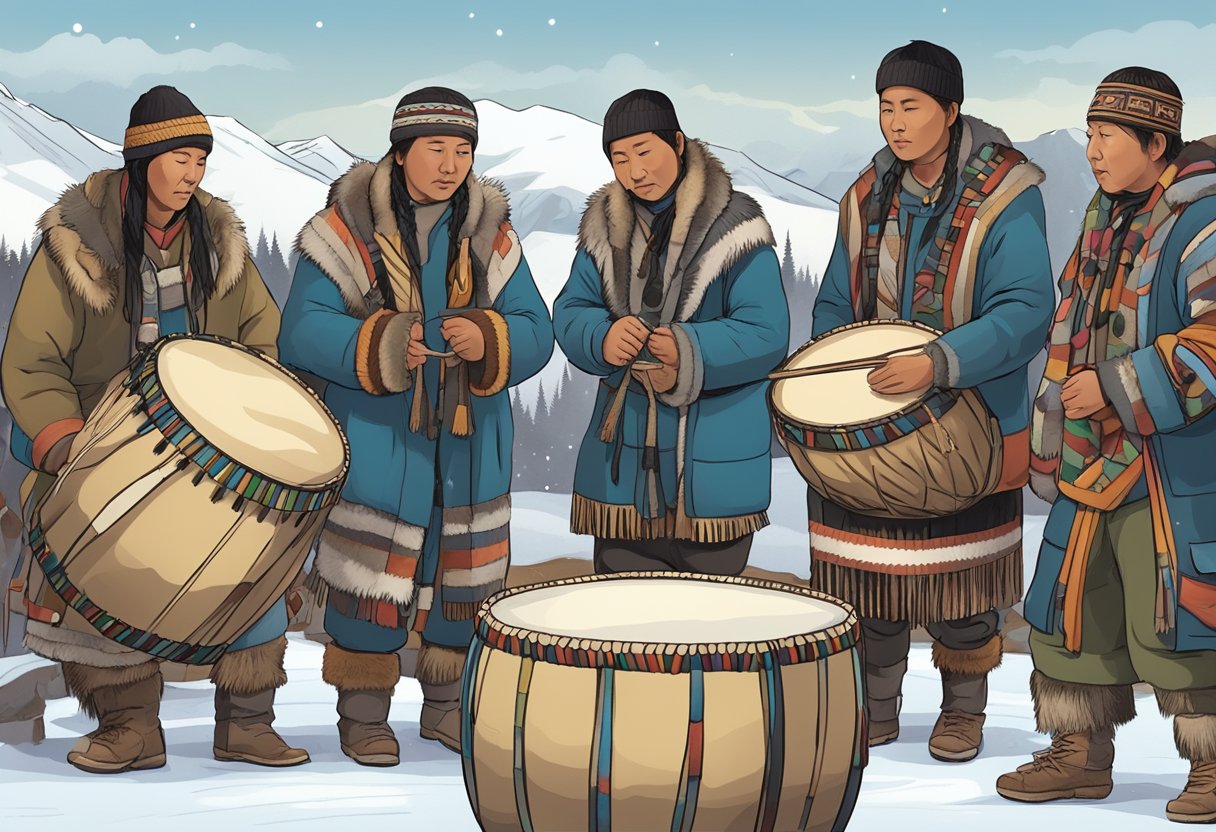
Yupik drum dancing is a powerful form of expression, storytelling, and spiritual communication. The rhythmic beating of the traditional Yupik drum (cauyaq), made from a walrus stomach or other animal membrane stretched over a wooden hoop, accompanies songs that recount myths, hunting stories, or personal experiences. Dancers, often adorned in traditional regalia, perform intricate movements that mimic animals, tell stories, or embody spirits. - Regalia and Masks: Spiritual and Artistic Expression
Traditional Yupik clothing, such as parkas made from caribou or seal skin, is often worn during feasts. However, it is the masks that truly captivate. Yupik masks are renowned for their intricate designs and spiritual significance. Carved from wood and often adorned with feathers, pigments, and other materials, these masks are not merely decorative but are believed to be vessels for spirits, used in dances to communicate with the spiritual realm. Each mask tells a story and embodies specific spiritual entities. - Community and Kinship: The Fabric of Society
Feasts are powerful reaffirmations of community bonds. Extended families gather, elders share wisdom and stories with the younger generation, and children learn cultural practices firsthand. The men’s house (qasgiq) historically served as a central hub for ceremonies, storytelling, and community gatherings, especially during winter months. - Spirituality and Rituals: Connecting Worlds
Yupik spirituality is animistic, recognizing spirits in all living things and elements of nature. Feasts are replete with rituals designed to honor these spirits, ensure harmony with the environment, and seek guidance or blessings. The role of spiritual leaders or shamans (angalkuq), though less overt today, was historically crucial in facilitating these connections.
Modern Relevance and Cultural Preservation
While some aspects of traditional Yupik feasts have evolved over time due to contact with other cultures and modern influences, their core spirit and purpose remain strong. Yupik communities today continue to celebrate these feasts, adapting them to contemporary life while fiercely preserving their cultural integrity.
Efforts to revitalize Yupik language, traditional arts, and ceremonial practices are ongoing. Cultural centers, schools, and community organizations play a vital role in teaching younger generations the importance and meaning of these celebrations. The feasts serve as crucial opportunities for intergenerational knowledge transfer, ensuring that the ancient wisdom and traditions endure.
Challenges such as climate change, which impacts subsistence resources, and the pressures of modernization, including language loss and cultural assimilation, pose threats to these traditions. However, the resilience and dedication of the Yupik people ensure that their feasts continue to be vibrant expressions of their identity.
FAQs About Yupik Feasts
What is the Yupik Bladder Feast?
The Bladder Feast (Nakaciuryaraq) is an annual Yupik ceremony to honor the spirits of hunted marine mammals by returning their bladders to the sea, ensuring the animals’ rebirth and continued abundance.
What is the Messenger Feast?
The Messenger Feast (Kevgiq) is a traditional inter-village celebration for diplomacy, trade, gift-giving, and elaborate masked dances, strengthening community bonds and spiritual connections.
What are Yupik masks used for?
Yupik masks are sacred objects used in ceremonial dances to embody spirits, communicate with the spiritual world, and tell stories, serving as powerful artistic and spiritual tools.
What do Yupik people eat during feasts?
Yupik feasts feature traditional foods like seal meat and oil, caribou, various fish (salmon, cod), berries, and greens, prepared with ancestral methods and shared communally.
How do Yupik people celebrate generally?
Yupik celebrations involve communal gatherings, traditional drumming, singing, storytelling, elaborate dances with masks, sharing of food, and rituals honoring nature and ancestors, fostering strong community bonds.
Conclusion: The Enduring Spirit of Yupik Celebrations
Yupik traditional feasts are far more than mere social gatherings; they are profound cultural institutions that embody the history, values, and spiritual beliefs of a resilient indigenous people. From the diplomatic exchanges of the Messenger Feast to the reverent honoring of animal spirits in the Bladder Feast, each celebration is a testament to the Yupik’s deep connection to their environment and their ancestors.
These vibrant traditions continue to serve as cornerstones of Yupik identity, fostering community, transmitting knowledge, and reinforcing a worldview of respect, reciprocity, and gratitude. As the Yupik people navigate the complexities of the modern world, their feasts remain powerful reminders of their enduring heritage and the strength found in cultural continuity.
The dedication to preserving these ancient practices ensures that the drum beats will continue to echo across the Alaskan tundra, the masks will dance with spirits, and the stories of the Yupik will be told for generations to come.


