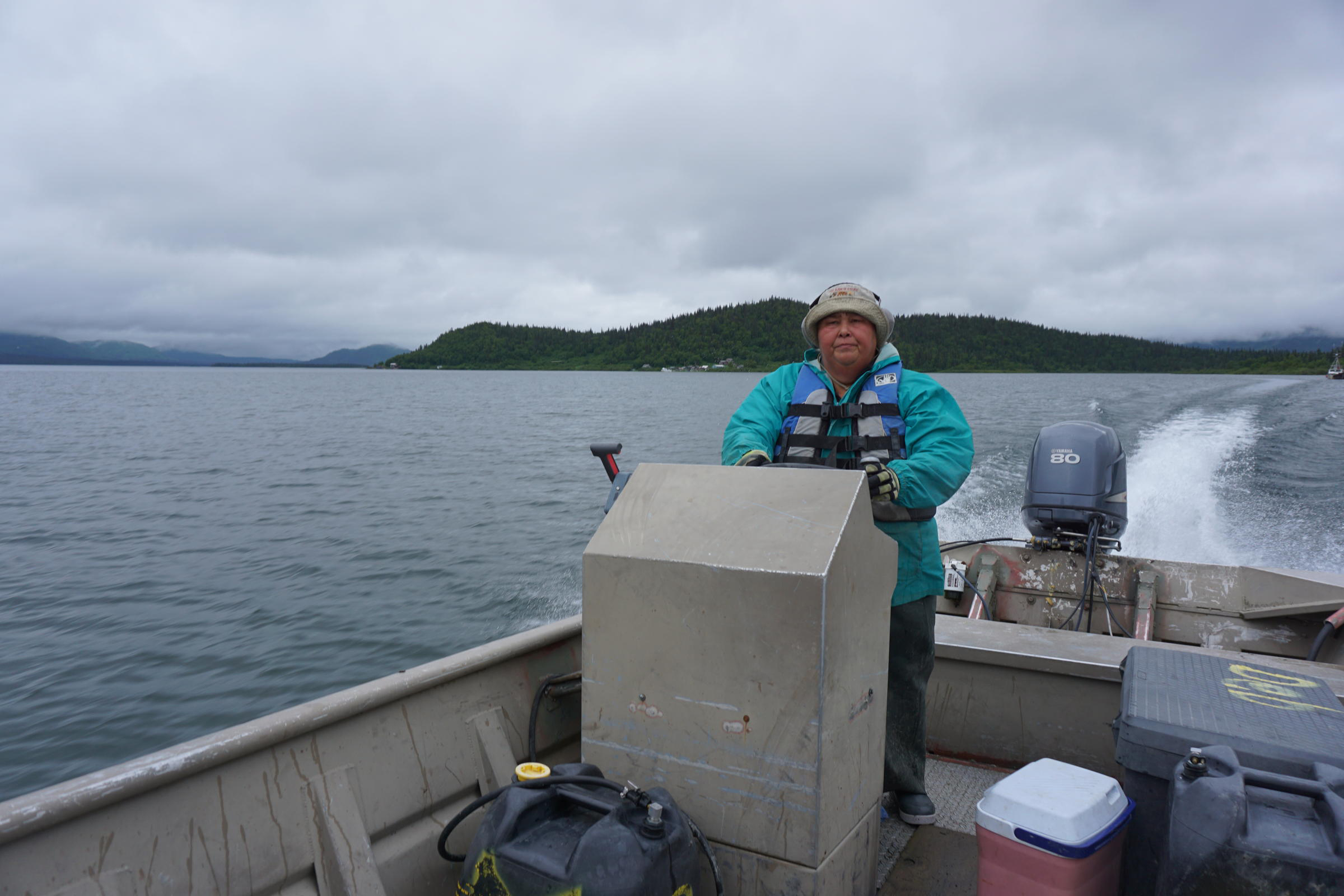
For the Yupik people of Western Alaska, salmon is far more than just a food source; it is the very essence of their culture, economy, and spiritual well-being. Generations have lived in an intimate relationship with the annual salmon runs, a connection that has shaped their worldview, their technologies, and their social structures.
This comprehensive article will delve into the rich tapestry of Yupik salmon fishing traditions, exploring the ingenious methods developed over millennia, the deep cultural significance of the harvest, and the challenges faced in preserving these vital practices in a rapidly changing world.
A Lifeline Through Generations: The Cultural Significance of Salmon
The Yupik homeland, stretching along the Bering Sea coast and the vast river systems like the Kuskokwim and Yukon, is defined by its abundant salmon populations. For thousands of years, the seasonal return of salmon has dictated the rhythm of life, providing essential sustenance through harsh Arctic winters.
Salmon is the cornerstone of the Yupik subsistence lifestyle. It provides protein, fat, and vital nutrients, forming the primary component of their diet. Beyond mere nutrition, the salmon harvest is a communal event that reinforces social bonds, passes down traditional knowledge, and celebrates continuity.
Every part of the salmon is utilized, reflecting a deep respect for the resource. From the flesh for eating and drying, to the oil for fuel and food, and even the skins for clothing and crafts, nothing goes to waste. This holistic approach underscores the Yupik philosophy of living in harmony with nature.
Traditional Yupik Fishing Methods: Ingenuity and Sustainability
The Yupik people developed sophisticated and sustainable fishing techniques long before the arrival of outsiders. These methods were honed over centuries, demonstrating an intimate understanding of salmon behavior and river dynamics.
Fish Traps and Weirs were among the earliest and most effective methods. Constructed from willow branches, logs, and stones, these structures would funnel migrating salmon into holding areas where they could be easily harvested. These traps were designed to allow some fish to pass upstream, ensuring future runs.
Gillnets, traditionally woven from natural fibers like sinew or plant stalks, were expertly deployed in rivers and estuaries. Their design allowed fish to get caught by their gills while attempting to swim through, a highly efficient method for capturing large quantities.
With the advent of modern materials, nylon gillnets became prevalent, offering durability and ease of use. However, the traditional knowledge of net placement, timing, and respectful harvest remains paramount.
Dip Nets and Spears were also used, particularly in shallower waters or for specific species. The skill involved in accurately spearing a salmon or scooping it with a dip net speaks to the individual proficiency of the Yupik fisher.
Traditional watercraft, such as the skin-on-frame qayaq (kayak) for individual hunting and fishing, and the larger angyak (open boat) for family travel and freight, were essential tools. These vessels allowed access to prime fishing grounds and transport of the harvest.
The Annual Salmon Run: A Rhythmic Dance with Nature
The anticipation of the salmon run is palpable in Yupik communities. As spring turns to summer, preparations begin: boats are readied, nets are mended, and fish camps are set up along the riverbanks. Families migrate to these camps, often returning to the same ancestral sites year after year.
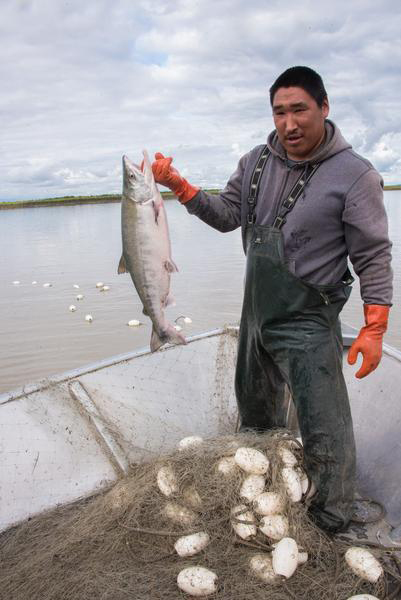
The Kuskokwim River, in particular, becomes a bustling hub of activity during the salmon season. Different species of Pacific salmon – King (Chinook), Sockeye (Red), Coho (Silver), Chum (Dog), and Pink (Humpy) – arrive at various times, each with its own unique characteristics and cultural importance.
The harvest is a collaborative effort. Men typically manage the boats and nets, while women play a crucial role in processing the catch. Children learn by observing and assisting, absorbing the knowledge and values associated with the salmon from a young age.
Beyond the Catch: Processing and Preservation Techniques
Effective preservation is key to surviving the long Arctic winter. Yupik people mastered various methods to ensure the salmon harvest lasted throughout the year.
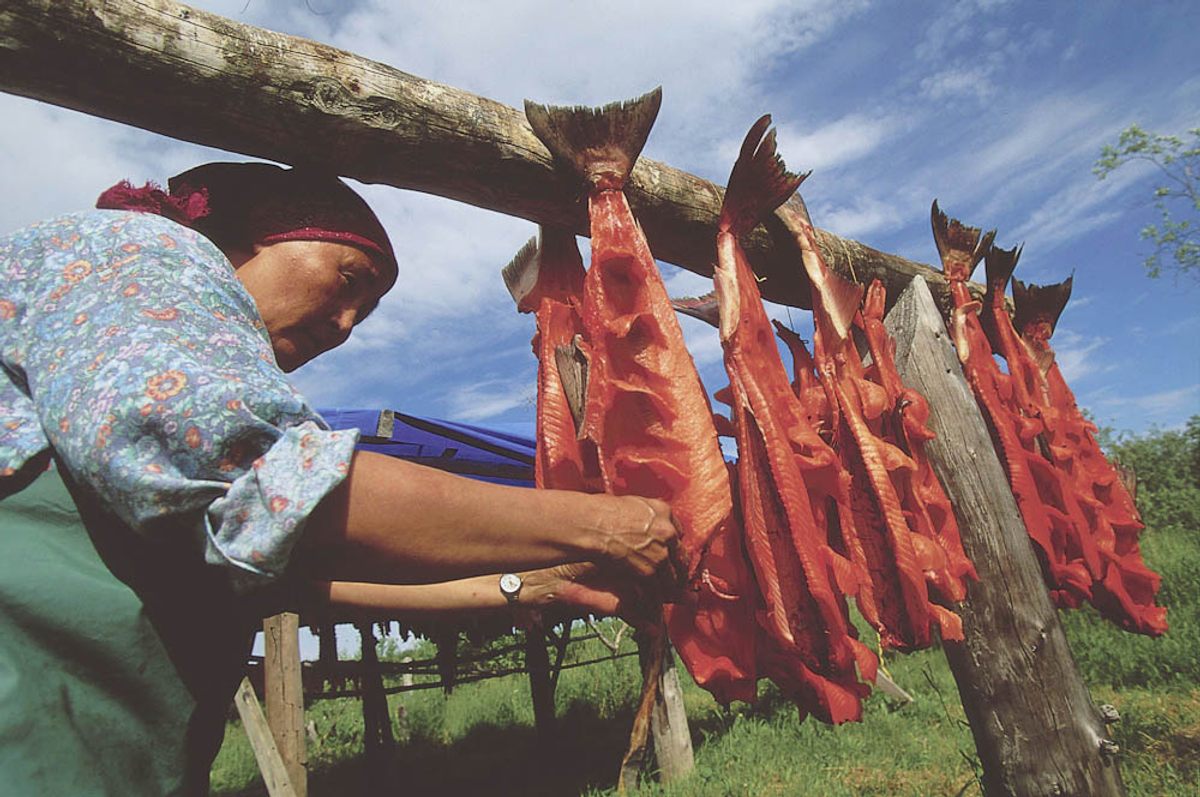
Drying Fish Racks, known as neqliq, are iconic sights in Yupik villages. Salmon are filleted, scored, and hung to air dry in the sun and wind. This method removes moisture, preventing spoilage and creating a shelf-stable food source.
Smoking is another traditional preservation technique, adding flavor and extending shelf life. Fish might be lightly smoked before drying or more heavily smoked for immediate consumption.
While modern freezers have introduced new possibilities, traditional methods like fermenting fish heads (tepa) or storing dried fish in seal oil remain important cultural practices, connecting modern generations to their ancestral diet.
The Spiritual Dimension: Respect for the Salmon Spirit
The Yupik relationship with salmon transcends the physical. It is deeply spiritual, rooted in beliefs that emphasize respect, reciprocity, and gratitude for the gifts of the natural world.
Traditional ceremonies and rituals often precede or follow the salmon harvest. These practices, such as offering the first catch back to the river or performing a ‘first fish’ ceremony, express thanks to the salmon for returning and ensure their continued abundance.
Yupik elders teach that salmon are sentient beings that willingly offer themselves to sustain humanity, provided they are treated with respect. Wastefulness or disrespect can offend the salmon spirits, causing them to cease their return.
Gender Roles and Community Collaboration
Yupik society is characterized by strong community ties and complementary gender roles, especially evident during the salmon season. While men are often at the forefront of the fishing, operating boats and setting nets, women’s contributions are equally vital.
Women are the primary processors of the salmon, expertly filleting, scoring, and hanging thousands of fish on drying racks. They manage the fish camps, prepare meals, and care for children, ensuring the smooth operation of the entire harvest.
This division of labor is not rigid but flexible, and everyone contributes according to their abilities. Children, from a young age, are involved in various tasks, learning the skills and responsibilities that will one day be theirs.
Challenges in the Modern Era: Adapting to Change
Yupik salmon fishing traditions face significant challenges today. Environmental threats, particularly climate change, impact salmon populations through warming waters, altered migration patterns, and ocean acidification.
Regulatory pressures from state and federal agencies, often designed for commercial fisheries, can sometimes conflict with traditional subsistence practices, creating tension and limiting access for Yupik fishers.
The shift towards a cash economy and increased exposure to Western culture also pose threats. Erosion of traditional knowledge occurs as fewer youth learn the language, skills, and values associated with the salmon harvest, preferring modern alternatives.
Pollution from industrial activities and resource extraction in other parts of Alaska can also impact water quality and salmon habitat, further complicating the challenges faced by Yupik communities.
Preserving the Legacy: Efforts for Cultural Transmission
Despite these challenges, Yupik communities are actively working to preserve and revitalize their salmon fishing traditions. Community initiatives, cultural camps, and elder-youth mentorship programs are vital for passing down knowledge and skills.
Organizations and tribal councils are documenting traditional ecological knowledge (TEK), ensuring that the wisdom of elders is recorded for future generations. This documentation helps bridge the gap between traditional practices and modern scientific understanding.
Advocacy for Indigenous fishing rights and self-determination in resource management is crucial. Yupik voices are increasingly heard in policy discussions, striving to ensure that their subsistence needs and cultural practices are respected and protected.
Sustainable resource management practices, often guided by traditional Yupik principles of respect and conservation, are being integrated with modern scientific approaches to ensure the long-term health of salmon populations.
The Future of Yupik Salmon Fishing: A Balancing Act
The future of Yupik salmon fishing traditions lies in a delicate balance between honoring the past and adapting to the present. It requires resilience, innovation, and a steadfast commitment to cultural identity.
By empowering communities, supporting intergenerational learning, and advocating for policies that respect Indigenous rights and traditional knowledge, the enduring legacy of Yupik salmon fishing can continue to thrive.
Conclusion: A Timeless Connection
Yupik salmon fishing traditions represent a profound and enduring connection between a people and their environment. It is a testament to human ingenuity, cultural resilience, and deep spiritual respect for the natural world.
The annual salmon run is more than just a harvest; it is a reaffirmation of Yupik identity, a living classroom for cultural transmission, and a vital thread in the fabric of their existence. Preserving these traditions is not just about saving a way of life, but about safeguarding a unique and invaluable human heritage.
As the Yupik people continue to navigate the complexities of the modern world, their timeless relationship with salmon remains a powerful symbol of their strength, adaptability, and unwavering spirit.


