The Unseen Pulse: Why the Yupik River Systems are the Lifeblood of Alaska’s Indigenous Heart
The vast, intricate network of rivers winding through southwestern Alaska is more than just geography for the Yupik people; it is the very pulse of their existence, a dynamic, living entity that has shaped their culture, sustained their communities, and defined their identity for millennia. Far from being mere waterways, the Yukon and Kuskokwim river systems, along with their myriad tributaries and deltas, represent an unparalleled crucible of ecological richness and cultural resilience, an importance that resonates far beyond the Alaskan tundra and holds critical lessons for a world grappling with climate change and the future of indigenous societies.
At its core, the significance of these river systems to the Yupik is rooted in subsistence. For generations untold, the rivers have been the primary grocery store, pharmacy, and highway. The anadromous runs of Pacific salmon – King (Chinook), Sockeye, Chum, Coho, and Pink – are the undisputed monarchs of this aquatic realm, their annual migrations upriver a foundational event that dictates the rhythm of Yupik life. From early summer to late fall, communities transform into bustling centers of activity, as families deploy fish wheels, gillnets, and dip nets, harvesting the abundant bounty. This isn’t just about catching food; it’s a meticulously choreographed dance of skill, tradition, and communal effort. The fish are then meticulously processed – smoked, dried (kippered), fermented, or frozen in traditional ice cellars – ensuring a year-round food supply rich in essential nutrients.
Beyond salmon, the rivers and their surrounding wetlands provide access to a diverse larder. Migratory waterfowl – geese, ducks, and swans – are hunted in spring and fall. Moose and caribou, vital sources of protein and hides, frequent riverine habitats. Berries and traditional plants are gathered from the banks and tundra. "Every spring, when the ice breaks up, it’s like the river is waking up and telling us it’s time to get ready," explains Anna Nick, a Yupik elder from Kwethluk, whose words echo the sentiment across the region. "Our whole life is tied to the water, to the fish, to the animals it brings us. Without it, we are nothing." This intimate connection underscores that subsistence is not just an economic activity; it is the bedrock of food security, ensuring nutritional well-being in a remote region where store-bought food is prohibitively expensive and often scarce.
The river systems are not merely a source of food; they are the cultural arteries of the Yupik people. The knowledge of the rivers – their currents, ice conditions, fishing spots, and the timing of animal migrations – is intergenerational, passed down through stories, hands-on learning, and direct observation. This Traditional Ecological Knowledge (TEK) is sophisticated, nuanced, and essential for survival. It encompasses not just how to fish or hunt, but when, where, and how much to take, imbued with a deep respect for the natural world and a commitment to sustainable practices.
The Yupik language itself is interwoven with the rivers. Terms describing different types of ice, fish runs, weather patterns, and land formations reflect a profound understanding of their environment. Ceremonies, songs, and stories celebrate the salmon and other creatures, reinforcing the spiritual connection to the land and water. The rivers also serve as primary transportation routes, connecting isolated villages during both the open-water season via boats and during winter months when frozen channels become vital ice roads for snowmachines and dog teams. This network fosters communication, trade, and social cohesion, preventing the profound isolation that would otherwise define these remote communities. The river is, in essence, the Yupik classroom, church, and highway all rolled into one.
From an ecological perspective, the Yupik river systems are extraordinary engines of biodiversity and productivity. The sheer volume of anadromous fish returning from the Bering Sea to spawn in freshwater rivers and streams represents one of the largest nutrient transfers on the planet. As salmon die after spawning, their decaying bodies release marine-derived nutrients, fertilizing the freshwater ecosystems and surrounding terrestrial environments. This nutrient subsidy supports everything from insects and plants to bears, eagles, and other apex predators, enriching the entire food web. The pristine nature of much of the river basin, with vast tracts of wetlands and intact riparian zones, provides critical habitat for millions of migratory birds that nest here, contributing significantly to global avian populations. These systems are also crucial for maintaining permafrost stability in certain areas, with their unique hydrological cycles influencing ground temperatures.
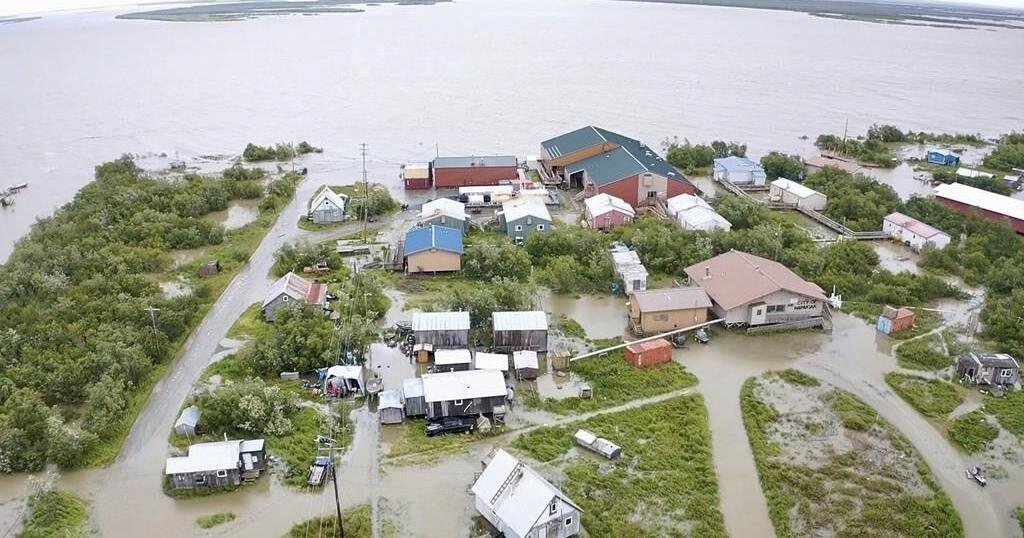
However, the profound importance of these river systems is now under unprecedented threat, primarily from the accelerating impacts of climate change. The Arctic and sub-Arctic regions are warming at rates far exceeding the global average, and the Yupik homeland is on the front lines of this transformation. Permafrost thaw is destabilizing riverbanks, leading to increased erosion that threatens villages, infrastructure, and traditional burial sites. Rivers are experiencing earlier ice breakup and later freeze-up, shortening the window for safe winter travel and impacting traditional hunting and fishing seasons.
Perhaps most critically, changes in water temperature, flow regimes, and ocean conditions are directly impacting the salmon runs. In recent years, communities have faced alarming declines in King and Chum salmon, species vital for both subsistence and cultural practices. These declines are not uniform across all species or years, but the overall trend of unpredictability and reduced numbers is causing immense food insecurity and cultural distress. "Our elders always told us the river would provide, but now we don’t know," says a concerned fisherman from a Kuskokwim village, reflecting a widespread anxiety. "The fish are smaller, fewer, and sometimes they just don’t come. How do we teach our children to live if the river changes so much?" This uncertainty forces communities to re-evaluate their entire way of life, challenging ancient knowledge systems and creating a sense of profound loss.
The threats extend beyond climate change to include potential resource development pressures. While large-scale industrial activities have historically been limited in much of the Yupik homeland, increasing global demand for minerals and other resources could bring new challenges, including habitat destruction, water pollution, and disruption to migratory patterns. Managing these potential conflicts requires a delicate balance between economic opportunity and the imperative to protect the environmental and cultural integrity of the river systems.
In the face of these monumental shifts, the Yupik people are demonstrating remarkable resilience and adaptive capacity. They are not passive victims but active stewards and advocates for their homelands. Through organizations like the Kuskokwim River Inter-Tribal Fish Commission and various village councils, they are asserting their rights to co-management, demanding a greater voice in decisions that directly impact their food security and cultural survival. They are blending their TEK with Western science, participating in community-based monitoring programs to track fish populations, water quality, and environmental changes. This collaboration is crucial for developing effective management strategies that are both culturally appropriate and scientifically sound.
The Yupik River Systems are more than just an Alaskan story; they are a microcosm of global challenges and a testament to enduring human-environment relationships. Their importance transcends the immediate needs of the Yupik people to offer profound lessons about sustainable living, the value of traditional knowledge, and the devastating impacts of unchecked climate change. Protecting these systems is not just about preserving a culture; it is about safeguarding one of the planet’s last great wild spaces and recognizing the intrinsic value of a way of life intrinsically linked to the health of its waters. For the Yupik, the river is life itself, and its continued flow, abundance, and health are non-negotiable for their future, and a stark reminder for all of humanity of what is truly at stake.


