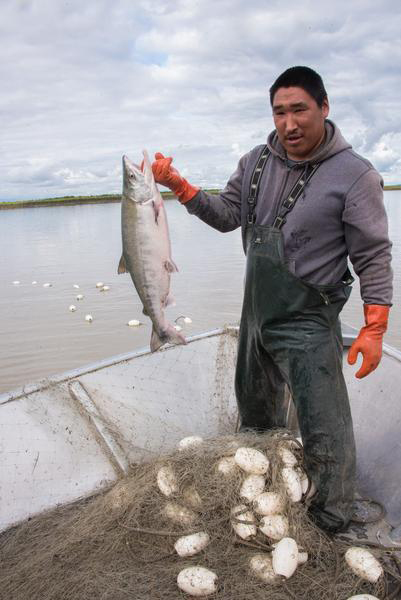

The vast, icy expanse of the Arctic is more than just a frozen wilderness; it is a vibrant ecosystem teeming with life, and for millennia, it has been the ancestral home of the Yupik people. For these indigenous communities of western and southwestern Alaska and the Russian Far East, fish are not merely a food source but the very foundation of their culture, economy, and way of life. Understanding the Yupik relationship with Arctic fish species offers a profound insight into human resilience, traditional ecological knowledge, and sustainable living in one of the world’s harshest environments.
This comprehensive article will embark on a journey into the heart of Yupik fishing traditions, exploring the diverse array of fish species that thrive in the cold Arctic waters. We will delve into their unique adaptations, the sophisticated methods Yupik fishers employ, and the contemporary challenges facing these crucial resources.
Understanding the Yupik People and Their Arctic Home
The Yupik, an Eskimo-Aleut people, have inhabited the coastal regions and river deltas of the Bering Sea and Arctic Ocean for thousands of years. Their traditional territories span from Norton Sound to Bristol Bay in Alaska, and parts of Chukotka in Russia. This region is characterized by extreme cold, long winters, and a short, intense summer, making resourcefulness and deep environmental understanding paramount for survival.
Central to Yupik subsistence is the harvest of marine and freshwater resources. While marine mammals like seals and walrus are significant, fish often represent the primary and most consistent source of protein and essential nutrients, especially during the long winter months. The annual cycles of fish migrations dictate much of the Yupik seasonal calendar and cultural practices.
The Arctic Ecosystem: A Cradle of Unique Fish Life


The Arctic’s marine and freshwater environments are characterized by low temperatures, varying salinity, and unique light cycles. Fish species here have evolved remarkable adaptations to cope with these conditions, including antifreeze proteins in their blood, specialized metabolic rates, and unique reproductive strategies. These adaptations allow for a surprising diversity of fish, forming complex food webs that support everything from zooplankton to polar bears.
The Bering Sea, in particular, is one of the most productive marine ecosystems globally, acting as a gateway between the Pacific and Arctic Oceans. Its rich waters support vast populations of commercially important and subsistence-critical fish species, many of which are vital to the Yupik diet and economy.
Key Fish Species Important to Yupik Culture and Subsistence
1. Salmon (Salmonidae): The Lifeblood of Rivers and Seas
- Chum Salmon (Keta Salmon): Often the most abundant salmon species, prized for its roe and meat, which is excellent for drying and smoking.
- Sockeye Salmon (Red Salmon): Highly valued for its rich, red meat and oil content.
- King Salmon (Chinook Salmon): The largest and most prized salmon, known for its rich flavor and high fat content.
- Coho Salmon (Silver Salmon): A strong fighter, caught later in the season.
- Pink Salmon (Humpback Salmon): The smallest and most abundant, often used for drying and fish meal.
The anadromous life cycle of salmon, where they migrate from saltwater to freshwater to spawn, means they are accessible in both environments, making them a cornerstone of Yupik subsistence fishing. The timing of salmon runs is carefully observed and forms a critical part of Yupik traditional knowledge.
2. Arctic Char (Salvelinus alpinus): The Northern Survivor
Often mistaken for salmon or trout, Arctic Char is a highly prized fish found in both anadromous and landlocked forms across the Arctic. They are known for their vibrant colors, firm flesh, and adaptability to cold, nutrient-poor waters. For many inland Yupik communities, Arctic Char is a primary food source, especially through ice fishing.
3. Sheefish (Stenodus leucichthys): The ‘Tarpon of the North’


Known as Inconnu or ‘Tarpon of the North’ due to its size and fighting spirit, the Sheefish is a large predatory whitefish found in major river systems like the Yukon and Kuskokwim. It’s a significant food fish, especially in winter, and its oily flesh is excellent for drying and smoking.
4. Whitefish Species (Coregonus spp.): The Unsung Heroes
Various species of whitefish, including Broad Whitefish, Humpback Whitefish, and Least Cisco, are abundant in Arctic rivers and lakes. While perhaps less glamorous than salmon, whitefish are incredibly important for year-round subsistence, caught through ice fishing and netting. Their delicate flavor and consistent availability make them a dietary staple.
5. Pacific Herring (Clupea pallasii): A Small but Mighty Resource
Herring, though small, arrive in massive schools in coastal areas, providing an intense, short-term bounty. They are harvested for their roe (ikayuk), which is a delicacy, and their oily flesh, often used for bait or preserved whole. The herring run signifies the arrival of spring for many coastal Yupik communities.
6. Cod Species (Gadidae): Bottom Dwellers of the Cold Seas
Saffron Cod and Arctic Cod are common catches, particularly during winter ice fishing. These bottom-dwelling fish are a reliable source of protein when other species are less accessible. Pacific Cod is also harvested in the Bering Sea.
Traditional Yupik Fishing Methods and Preservation
Yupik fishing practices are a testament to generations of accumulated knowledge and innovation. Traditional methods are highly effective and sustainable, designed to harvest enough for the community without depleting resources.
- Gillnets: Used extensively in rivers and coastal areas to catch migrating salmon and whitefish. Nets are traditionally made from natural fibers but now often use synthetic materials.
- Fish Traps and Weirs: Historically, complex structures were built in rivers to funnel and capture fish, particularly salmon.
- Ice Fishing: A crucial winter activity, involving cutting holes in the ice and using hooks, lines, or small nets to catch species like Arctic Char, Sheefish, and Cod.
- Seines: Large nets deployed from boats or shore to encircle schools of fish, often herring.
- Fish Wheels: Mechanical devices placed in rivers that scoop fish out of the water as they swim upstream, common on the Yukon and Kuskokwim rivers.
- Drying and Smoking: Fish are filleted and hung on racks (qaygiq) to dry in the wind and sun, often smoked for added flavor and preservation. This produces neqliq (dried fish), a staple food.
- Fermentation: Some fish are buried in pits or stored in barrels to ferment, creating a potent, nutrient-rich food source.
- Freezing: Naturally freezing fish in ice cellars (ciqlu) or modern freezers is a common method, especially for species with high fat content.
The Cultural Significance: More Than Just Food
For the Yupik, fish are deeply interwoven with their cultural identity, language, and spiritual beliefs. Fishing is a communal activity that reinforces family bonds and community solidarity. Traditional stories, songs, and dances often feature fish, celebrating their abundance and the skills required to harvest them.
The sharing of fish and fish products is a fundamental aspect of Yupik social structure, ensuring that everyone in the community, especially elders and those unable to fish, has access to vital sustenance. This intergenerational transfer of knowledge, from elder to youth, ensures the continuity of fishing skills and traditional ecological understanding.
Challenges and Conservation in a Changing Arctic
The Arctic ecosystem is experiencing rapid and profound changes, primarily driven by climate change. These changes pose significant threats to Yupik fish species and their traditional way of life.
- Warming Waters: Affects fish migration patterns, spawning success, and the distribution of species. Some southern species are moving north, potentially displacing native Arctic fish.
- Ocean Acidification: Threatens marine organisms, particularly those with calcium carbonate shells, which are at the base of the food web.
- Habitat Degradation: Changes in river flow, permafrost thaw, and coastal erosion impact spawning grounds and juvenile habitats.
- Commercial Fishing Pressure: While Yupik subsistence harvests are generally sustainable, large-scale commercial fisheries in the Bering Sea can impact fish stocks that are also vital for subsistence.
- Pollution: Contaminants from industrial activities, even those far away, can accumulate in Arctic food chains, affecting fish health and posing risks to those who consume them.
Yupik communities are at the forefront of observing these changes and are actively engaged in conservation efforts. Their traditional ecological knowledge (TEK) is invaluable for understanding long-term trends and developing adaptive management strategies. Many Yupik organizations collaborate with scientists and government agencies to advocate for sustainable fishing practices and protect their ancestral waters.
The Future of Yupik Fishing
Despite the challenges, the Yupik people continue to adapt and thrive, their deep connection to the land and sea enduring. The resilience of their culture and their unwavering commitment to traditional practices offer a powerful model for sustainable living in a rapidly changing world. Ensuring the health of Arctic fish populations is not just an ecological imperative; it is a matter of cultural survival and food security for the Yupik.
The ongoing efforts to integrate TEK with modern scientific research are crucial for developing effective conservation strategies. By respecting and supporting Yupik sovereignty and their rights to manage their traditional territories and resources, we can help safeguard both the incredible biodiversity of the Arctic and the vibrant cultural heritage of its indigenous peoples.
Conclusion: A Legacy of Connection
The Yupik people’s relationship with Arctic fish species is a profound testament to interdependence between humanity and nature. From the mighty King Salmon to the resilient Arctic Char, these fish are more than sustenance; they are integral to Yupik identity, their stories, their ceremonies, and their very existence. As the Arctic faces unprecedented environmental shifts, the traditional knowledge and sustainable practices of the Yupik offer invaluable lessons for us all. Protecting these vital fish populations means safeguarding a rich cultural heritage and ensuring a sustainable future for the Arctic’s original inhabitants.


