
The vast, often challenging landscapes of Alaska’s Yukon-Kuskokwim Delta are home to the Yupik people, whose ingenuity and deep connection to their environment have shaped a rich cultural heritage. Central to this heritage, and indeed to their very survival, is the practice of preparing and preserving fish, particularly through drying. Yupik dried fish is not merely a food item; it is a cultural cornerstone, a testament to ancestral knowledge, and a vital link to a subsistence lifestyle that has sustained generations.
For millennia, the Yupik have relied on the abundant fish runs of their rivers and coastal waters. Before the advent of modern refrigeration, drying was the most effective and essential method for preserving this critical food source for the long, lean winter months. This article delves into the intricate process of Yupik dried fish preparation, exploring its historical roots, cultural significance, and the meticulous techniques passed down through time.
The Deep Roots of Fish Preservation in Yupik Culture
Fish preservation, especially through drying, holds a profound place in Yupik culture. It’s more than just a technique; it’s a way of life, emphasizing sustainability, respect for nature, and community cooperation. The annual fish harvest is a time of intense activity, where families work together, teaching younger generations the skills and wisdom necessary for survival and cultural continuity.
Historically, dried fish served multiple critical functions. It was a primary source of protein and fat, ensuring sustenance through the harsh Alaskan winters. It was also a valuable commodity for trade with neighboring communities, fostering economic and social ties. The methods developed over centuries are highly efficient and perfectly adapted to the unique environmental conditions of the region.
Why Dry Fish? Beyond Simple Preservation

While preservation is the primary goal, the practice of drying fish offers numerous advantages that extend beyond simply preventing spoilage. These benefits underscore why this tradition has endured for so long.
Nutritional Powerhouse: Dried fish is an incredibly nutrient-dense food. It concentrates the protein, healthy fats (especially omega-3 fatty acids), and essential vitamins and minerals found in fresh fish. This makes it a vital source of energy and nourishment, particularly in environments where diverse food sources might be scarce.
Practicality and Portability: Once dried, fish becomes lightweight and remarkably shelf-stable. This makes it ideal for storage without refrigeration and for transport during hunting trips, travel, or trading expeditions. Its compact nature is crucial for a mobile, subsistence-based lifestyle.
Unique Flavor Profile: The drying process itself imparts a distinct flavor and texture that is highly prized. The subtle changes in taste and chewiness are unique to dried fish, making it a beloved traditional delicacy.
Selecting the Right Catch: Preferred Fish for Drying
Not all fish are created equal when it comes to drying. The Yupik people have a deep understanding of which species are best suited for the process, considering factors like fat content, texture, and availability during peak runs. Sustainable harvesting practices are paramount, ensuring that fish populations remain healthy for future generations.
- Salmon: King (Chinook), Sockeye (Red), Chum (Dog), and Coho (Silver) salmon are all highly valued. Their rich fat content and firm flesh make them excellent candidates for drying.
- Whitefish: Species like broad whitefish and sheefish are also frequently dried, especially in interior regions, providing a leaner option.
- Herring: Smaller and oilier, herring is often dried whole or in smaller pieces, offering a distinct flavor.
- Pacific Cod: While less common for traditional drying than salmon, cod can also be preserved this way, particularly the leaner parts.
Traditional Yupik Dried Fish Preparation: A Step-by-Step Guide
The preparation of Yupik dried fish is a meticulous, multi-stage process that demands skill, patience, and respect for the harvested resource. Each step is crucial for ensuring a safe, delicious, and long-lasting product.
I. Cleaning and Filleting: Precision and Respect
- Gilling and Gutting: The fish is carefully bled, then gutted to remove internal organs. This prevents spoilage from the inside out.
- Scaling: Depending on the species and desired outcome, scales may be removed.
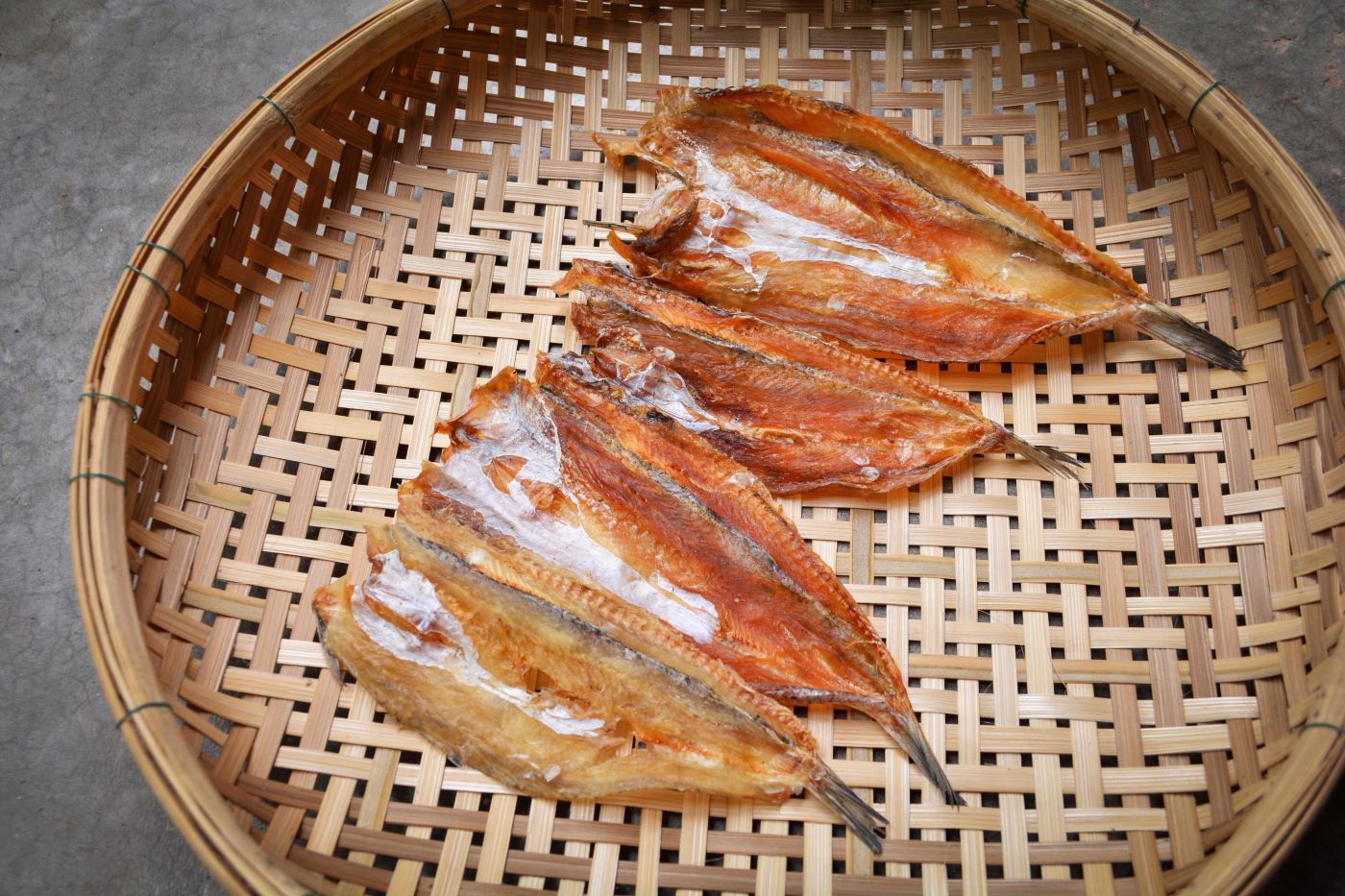
- Filleting: This is an art form. Yupik women are renowned for their swift and precise filleting techniques. Often, a ‘butterfly’ cut is used, where the fish is split along the backbone, leaving the two halves connected at the tail. This maximizes surface area for drying while keeping the fish intact. Bones are meticulously removed, often using traditional tools.
II. Scoring and Brining (Optional): Enhancing the Process
- Scoring: Deep cuts or scores are made into the flesh, particularly on thicker sections. This allows for more even drying, prevents pockets of moisture, and facilitates better absorption of any brining agents.
- Brining/Salting: While some traditional methods rely solely on air drying, salting has become a common practice, especially for fattier fish like salmon. A light brine or dry salt rub can draw out moisture, inhibit bacterial growth, and add flavor. The duration and intensity of salting vary widely by family tradition and desired outcome.
III. The Art of Hanging: Airflow and Environment
The next critical stage is hanging the fish to dry. This requires careful consideration of environmental factors.
- Drying Racks: Traditional drying racks, known as igluq or *qaygiq* in some dialects, are typically constructed from sturdy wood. They are often elevated to ensure good airflow from all directions and to protect the fish from ground-level moisture and scavengers.
- Location: The racks are strategically placed in areas with optimal sun exposure (but not direct, harsh sun which can cook the fish) and, most importantly, consistent wind. A gentle, steady breeze is essential for carrying away moisture.
- Protection: Fish are carefully hung using twine or special hooks, ensuring they don’t touch each other. Sometimes, netting or fine mesh is used to protect the drying fish from insects like flies, which can lay eggs and spoil the product.
IV. The Drying Process: Patience and Observation
- Weather Conditions: Warm, dry, and windy weather accelerates drying. High humidity or rain can halt the process or even lead to spoilage if not managed carefully.
- Fish Size and Thickness: Thicker fillets naturally take longer to dry completely.
- Monitoring: The fish must be regularly checked for signs of spoilage (mold, off-smells) or uneven drying. Flipping or repositioning might be necessary.
- Readiness: Fully dried fish should be firm, leathery, and somewhat translucent, with no visible moisture. It should be flexible but not brittle.
Modern Adaptations and Variations
While traditional methods remain central, modern adaptations have emerged. Some communities incorporate light smoking into the drying process, using local woods to impart a distinct flavor and offer additional preservation benefits. Screened drying boxes provide enhanced protection from insects and fluctuating weather. For personal use, small-scale home dehydrators can mimic some aspects of the drying process, though they lack the traditional nuances and scale.
Storing Your Dried Fish: Ensuring Longevity
Proper storage is essential to maintain the quality and extend the shelf life of dried fish. Traditionally, dried fish was stored in cool, dry places, sometimes in underground caches or insulated storage containers, protected from moisture and pests. Today, modern methods like vacuum sealing and storing in airtight containers in a cool pantry or freezer are also common, greatly extending its usability.
Culinary Delights: Enjoying Yupik Dried Fish
Yupik dried fish is enjoyed in numerous ways. It can be eaten raw, simply torn into pieces and savored for its unique texture and concentrated flavor. It’s often rehydrated and cooked into stews, soups, or served with other traditional foods like seal oil or berries. It’s a versatile ingredient that forms the foundation of many traditional Yupik meals, and sharing it with family and community reinforces cultural bonds.
Safety and Best Practices for Home Drying
- Hygiene: Always work with clean hands, tools, and surfaces to prevent bacterial contamination.
- Freshness: Use only the freshest fish. Spoilage begins rapidly.
- Environment: Ensure a dry, breezy environment. Avoid high humidity. If outdoor conditions are poor, a food dehydrator with good airflow is a safer alternative.
- Pest Control: Protect drying fish from insects and animals using screens or netting.
- Proper Drying: Ensure the fish is completely dry to prevent mold growth. Any signs of mold or off-odors mean the fish should be discarded.
Conclusion: A Timeless Tradition Sustaining a Culture
The preparation of Yupik dried fish is far more than a simple food preservation technique; it is a profound cultural practice that embodies generations of knowledge, resilience, and respect for the natural world. From the careful selection of fish to the meticulous filleting, precise hanging, and patient drying, each step reflects a deep understanding of the environment and a commitment to sustaining the community. As modern life progresses, these traditional foodways remain a vital link to the past, ensuring the cultural continuity and physical well-being of the Yupik people, offering a powerful lesson in sustainable living for us all.
The enduring legacy of Yupik dried fish preparation continues to nourish bodies and spirits, demonstrating the timeless wisdom embedded in indigenous traditions and their invaluable contribution to human heritage.


