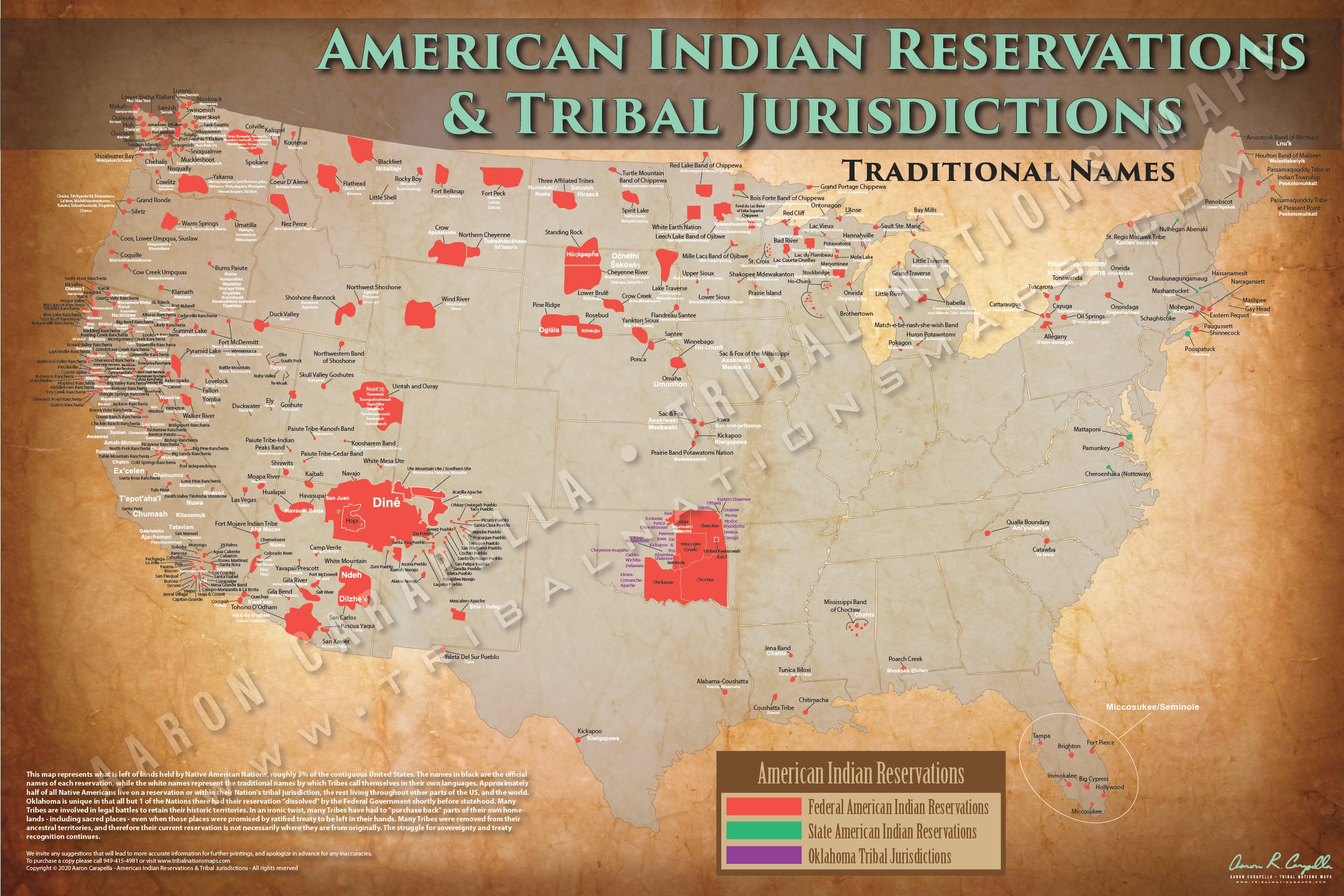
Working with Indian reservation communities requires a deep understanding of their unique history, culture, and sovereign status. It’s not just about implementing projects or providing services; it’s about building respectful, collaborative relationships that honor tribal sovereignty and promote self-determination. This comprehensive guide will provide insights into the key aspects of engaging with these communities effectively.
Understanding Tribal Sovereignty
Tribal sovereignty is the inherent authority of Indian tribes to govern themselves within the borders of the United States. This right predates the U.S. Constitution and is recognized in treaties, laws, and court decisions. Understanding this principle is paramount when working with any tribal community. It means recognizing their right to make their own decisions, set their own priorities, and manage their own resources.
The Importance of Self-Determination
Self-determination is closely linked to tribal sovereignty. It emphasizes the right of tribal nations to determine their own political, economic, and social development. External entities working with tribes should support this self-determination by respecting tribal governance structures, engaging in meaningful consultation, and prioritizing tribal needs and priorities.
Cultural Sensitivity and Awareness
/res-5808b9813df78cbc287e2ef8.jpg "Working With Indian Reservation Communities")
Cultural sensitivity is crucial for fostering trust and building strong relationships with Indian reservation communities. This involves learning about their traditions, values, beliefs, and protocols. It also means being aware of the historical trauma and systemic injustices that have impacted these communities.
Key Cultural Considerations
- Respect for Elders: Elders are highly respected in many tribal cultures and their wisdom is valued. Always show deference to elders and seek their guidance.
- Importance of Family and Community: Family and community ties are often very strong. Decisions may be made collectively, and it’s important to understand these dynamics.
- Traditional Practices: Be aware of traditional ceremonies, spiritual practices, and cultural events. Avoid scheduling meetings or activities that conflict with these events.
- Communication Styles: Communication styles may vary. Some cultures value indirect communication and may be hesitant to express disagreement openly. Active listening and patience are essential.
Avoiding Cultural Missteps
To avoid cultural missteps, do your research, ask questions, and be open to learning. Avoid making assumptions or stereotypes about tribal cultures. Be mindful of your language and behavior, and always show respect for tribal traditions and customs.
Building Collaborative Relationships
Collaboration is the cornerstone of successful engagement with Indian reservation communities. This means working in partnership with tribal governments, organizations, and community members to achieve shared goals.
Engaging in Meaningful Consultation
Meaningful consultation is a legal and ethical obligation when working with tribal nations. This involves engaging in open and honest dialogue, providing timely and accurate information, and considering tribal input in decision-making processes. Consultation should occur early and often throughout the project lifecycle.
Identifying Tribal Needs and Priorities
Before initiating any project or program, it’s essential to identify the needs and priorities of the tribal community. This can be done through community assessments, surveys, focus groups, and consultations with tribal leaders and community members. Ensure that your efforts align with the tribe’s own strategic plans and goals.
Legal and Regulatory Considerations
Working with Indian reservation communities involves navigating a complex legal and regulatory landscape. Understanding federal Indian law, tribal laws, and relevant regulations is essential for ensuring compliance and avoiding legal pitfalls.
Federal Indian Law
Federal Indian law is a body of law that governs the relationship between the U.S. government and Indian tribes. Key laws include the Indian Reorganization Act, the Indian Self-Determination and Education Assistance Act, and the Native American Graves Protection and Repatriation Act. Familiarize yourself with these laws and how they apply to your work.
Tribal Laws and Regulations
In addition to federal law, tribal nations have their own laws and regulations that govern activities within their jurisdiction. These laws may cover a wide range of issues, including environmental protection, land use, taxation, and business licensing. Respect tribal laws and regulations and ensure that your activities comply with them.
Contracting and Agreements
When working with tribal governments or organizations, it’s important to establish clear contracts and agreements that outline the roles, responsibilities, and expectations of all parties. These agreements should be developed in consultation with tribal legal counsel and should address issues such as liability, intellectual property, and dispute resolution.
Economic Development and Opportunity
Many Indian reservation communities face significant economic challenges, including high rates of unemployment, poverty, and limited access to resources. Supporting economic development and opportunity is crucial for promoting self-sufficiency and improving the quality of life in these communities.
Supporting Tribal Businesses
Tribal businesses play a vital role in creating jobs, generating revenue, and promoting economic growth on reservations. Support tribal businesses by purchasing their products and services, providing technical assistance, and investing in their development. Consider forming partnerships with tribal businesses to leverage their expertise and local knowledge.
Investing in Education and Workforce Development
Investing in education and workforce development is essential for building a skilled workforce and creating economic opportunities for tribal members. Support tribal colleges and universities, vocational training programs, and other initiatives that promote education and skill development. Provide scholarships, internships, and mentorship opportunities to help tribal members succeed in their chosen fields.
Promoting Sustainable Development
Promote sustainable development practices that protect the environment, preserve cultural resources, and create long-term economic benefits for tribal communities. Support renewable energy projects, sustainable agriculture initiatives, and eco-tourism ventures that are aligned with tribal values and priorities.
Addressing Social and Health Disparities
Indian reservation communities often experience significant social and health disparities, including high rates of poverty, substance abuse, mental health issues, and chronic diseases. Addressing these disparities requires a comprehensive, culturally responsive approach that takes into account the unique needs and challenges of these communities.
Healthcare Access and Quality
Improve access to quality healthcare services by supporting tribal health programs, expanding telehealth services, and addressing barriers to care such as transportation and insurance coverage. Promote culturally appropriate healthcare practices that incorporate traditional healing methods and address the social determinants of health.
Mental Health and Substance Abuse Services
Increase access to mental health and substance abuse services by supporting tribal behavioral health programs, training mental health professionals, and promoting culturally sensitive treatment approaches. Address the root causes of mental health issues and substance abuse, such as historical trauma, poverty, and discrimination.
Housing and Infrastructure
Improve housing and infrastructure conditions on reservations by supporting tribal housing programs, investing in infrastructure development, and addressing issues such as overcrowding, substandard housing, and lack of access to clean water and sanitation. Promote sustainable building practices and energy efficiency.
Environmental Stewardship
Many Indian tribes have a deep connection to the land and a strong commitment to environmental stewardship. Partnering with tribes on environmental initiatives can help protect natural resources, promote sustainable practices, and address environmental injustices.
Protecting Natural Resources
Support tribal efforts to protect natural resources such as water, forests, and wildlife. Collaborate on environmental monitoring programs, restoration projects, and conservation initiatives. Respect tribal treaty rights and traditional ecological knowledge.
Addressing Environmental Justice Issues
Address environmental justice issues that disproportionately impact Indian reservation communities, such as pollution, contamination, and climate change. Support tribal efforts to clean up contaminated sites, reduce emissions, and adapt to the impacts of climate change. Advocate for policies that protect tribal environmental rights.
Conclusion
Working with Indian reservation communities is a complex but rewarding endeavor. By understanding tribal sovereignty, practicing cultural sensitivity, building collaborative relationships, and addressing the unique needs and challenges of these communities, you can make a positive impact and promote self-determination. Remember that every tribe is unique, so it’s essential to approach each engagement with respect, humility, and a willingness to learn. Prioritize open communication, active listening, and a commitment to building trust. By doing so, you can foster strong, lasting partnerships that benefit both the tribal community and your organization.
- Respect tribal sovereignty and self-determination.
- Practice cultural sensitivity and awareness.
- Build collaborative relationships through meaningful consultation.
- Understand and comply with legal and regulatory requirements.
- Support economic development and opportunity.
- Address social and health disparities.
- Promote environmental stewardship.
By embracing these principles, you can contribute to a more just and equitable future for Indian reservation communities.


