
Nestled in the high desert landscape of Humboldt County, Nevada, the Winnemucca Indian Colony Reservation stands as a testament to the enduring spirit and rich cultural heritage of its people. This federally recognized tribe, primarily composed of Western Shoshone and Northern Paiute descendants, plays a vital role in the history and contemporary fabric of Nevada.
Understanding the Winnemucca Indian Colony requires delving into its unique historical journey, its vibrant cultural practices, and the continuous efforts of its members to preserve their sovereignty and traditions amidst modern challenges. This comprehensive article aims to shed light on these crucial aspects.
The story of the Winnemucca Indian Colony begins long before its formal establishment, rooted deeply in the ancestral lands of the Western Shoshone and Northern Paiute peoples. These indigenous groups thrived across vast territories of the Great Basin, utilizing their profound knowledge of the land for sustenance and survival.
Their traditional ways of life revolved around hunting, gathering, and intricate seasonal migrations, adapting to the diverse ecosystems of what is now Nevada. The arrival of European settlers in the 19th century brought significant disruption, leading to land dispossession and profound changes for these communities.
The Winnemucca Indian Colony was officially established through federal action, designed to provide a land base for landless Indians in the Winnemucca area. This process was part of a broader federal policy aimed at consolidating Native American populations onto reservations, often far removed from their original territories.
The land base for the colony was acquired through a series of purchases and transfers, starting in the early 20th century. While initially small, these parcels formed the foundation for the community that exists today, providing a critical space for tribal self-governance and cultural continuity.
.gif "Winnemucca Indian Colony Reservation Nevada")
Today, the Winnemucca Indian Colony encompasses several tracts of land within and near the city of Winnemucca. These lands, though fragmented, are crucial to the identity and administration of the tribal government, providing space for homes, community buildings, and economic ventures.
The population of the Winnemucca Indian Colony is relatively small compared to some larger reservations, but its members maintain a strong sense of community and shared heritage. Demographic data reflects a close-knit tribal structure, committed to mutual support and the well-being of future generations.
At the heart of the Winnemucca Indian Colony lies a vibrant cultural legacy, intricately woven from the traditions of both the Western Shoshone and Northern Paiute peoples. Language, oral histories, traditional crafts, and spiritual practices form the bedrock of their identity.
Efforts to preserve and revitalize the native languages, particularly Shoshone and Paiute, are ongoing. These initiatives often involve language immersion programs, documentation projects, and the sharing of traditional stories to ensure that these vital cultural elements are passed down.
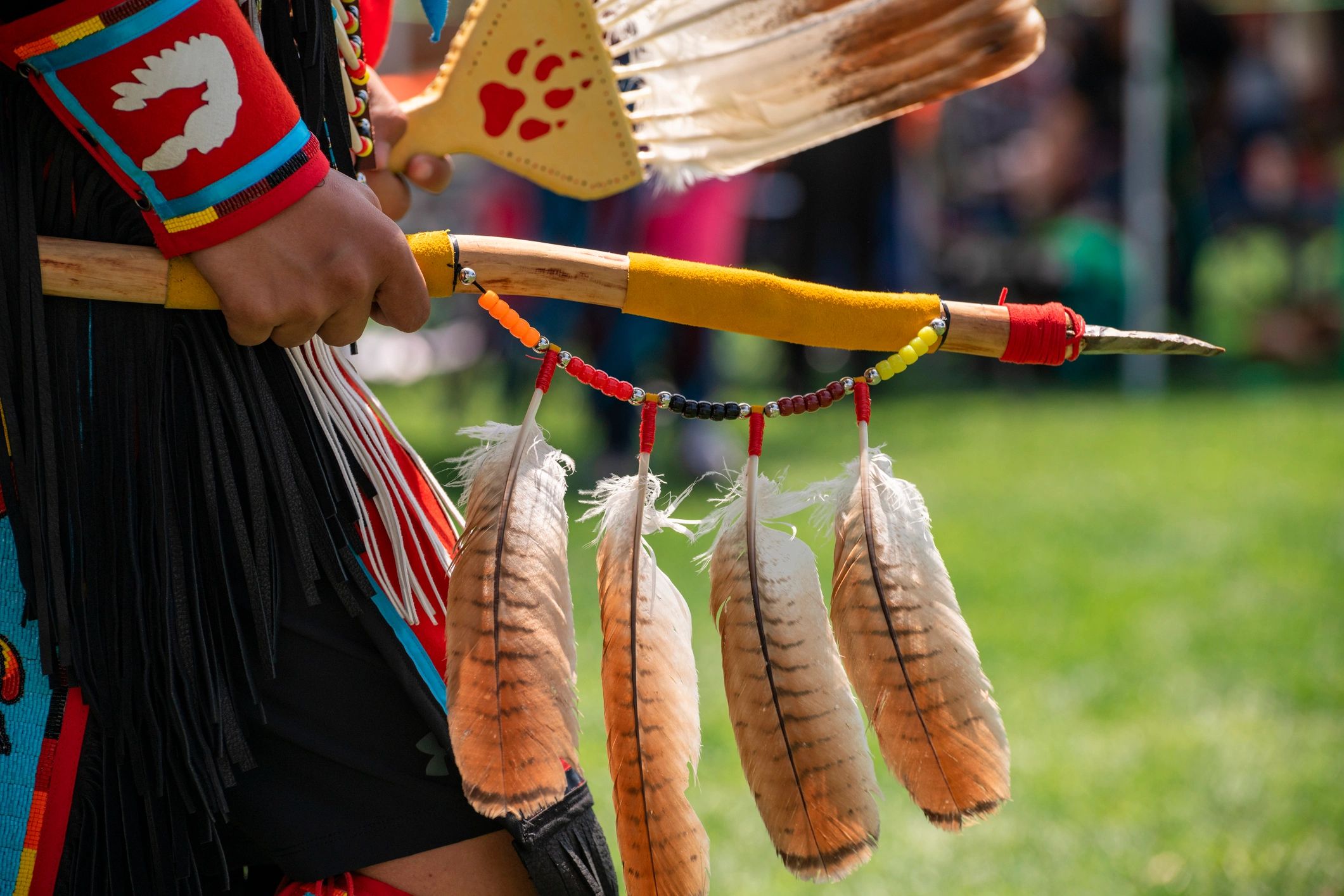
Community events, such as powwows and cultural gatherings, are central to maintaining tribal identity and fostering intergenerational connections. These events showcase traditional dances, music, regalia, and provide opportunities for celebration and cultural exchange, both within the community and with outsiders.
The Winnemucca Indian Colony operates under its own sovereign tribal government, a testament to the principles of self-determination. A democratically elected Tribal Council governs the colony, making decisions that impact the daily lives and future trajectory of its members.
This self-governance allows the tribe to manage its own affairs, including developing laws, administering justice, and providing essential services to its community. The relationship with federal and state governments is defined by a government-to-government framework, acknowledging tribal sovereignty.
Economic development is a key focus for the Winnemucca Indian Colony, as it strives to create opportunities and enhance the quality of life for its members. The colony engages in various economic activities, seeking to build a sustainable future while respecting its cultural values.
While specific enterprises may vary, tribes often explore avenues such as small business development, natural resource management, and partnerships that align with their community goals. The proximity to the city of Winnemucca also presents unique opportunities for economic collaboration.
Like many Native American communities, the Winnemucca Indian Colony has faced and continues to navigate a range of challenges. These include the lingering effects of historical trauma, socioeconomic disparities, and the ongoing struggle to protect their ancestral lands and resources.
Despite these hurdles, the resilience of the Winnemucca people shines through. Their commitment to cultural preservation, community development, and advocating for their rights demonstrates a powerful determination to thrive and maintain their unique identity.
The colony provides essential services to its members, including housing assistance, healthcare support, educational programs, and social welfare initiatives. These programs are vital for supporting the well-being of the community and addressing specific needs.
Education is often prioritized, with efforts to support tribal youth in pursuing academic excellence while also fostering an understanding of their cultural heritage. Access to quality healthcare and housing are also critical areas of focus for the tribal administration.
For those interested in learning more about the Winnemucca Indian Colony, it is important to approach with respect and an understanding of tribal sovereignty. While the colony is a private community, educational resources and public cultural events may occasionally offer insights.
Respect for tribal lands, customs, and privacy is paramount. Engaging with the history and ongoing life of the Winnemucca Indian Colony offers a deeper appreciation for the rich tapestry of Indigenous cultures that define Nevada and the broader United States.
In conclusion, the Winnemucca Indian Colony Reservation in Nevada is far more than just a geographical location; it is a vibrant, self-governing community with a profound history and an enduring spirit. From its Shoshone and Paiute roots to its modern-day efforts in self-determination and cultural preservation, the colony exemplifies resilience.
The commitment of its members to maintain their heritage, develop their economy, and provide for their community stands as a powerful example of Indigenous strength and adaptability. The Winnemucca Indian Colony continues to write its story, contributing significantly to the cultural and historical narrative of Nevada.
Understanding and respecting the Winnemucca Indian Colony is crucial for anyone seeking a complete picture of Nevada’s diverse heritage. Their journey of self-governance, cultural continuity, and community building offers valuable lessons in perseverance and identity.
As we look to the future, the Winnemucca Indian Colony remains a beacon of indigenous culture and sovereignty in the Great Basin, steadfast in its mission to honor its past while building a prosperous future for generations to come.


