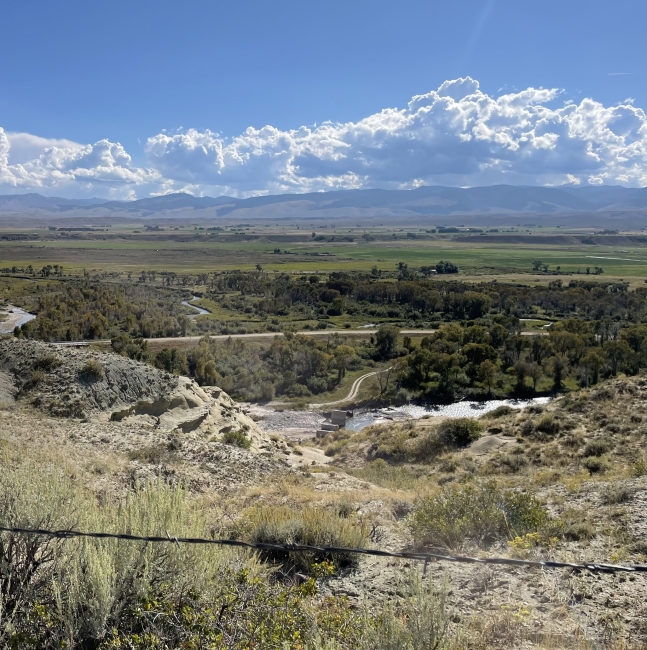
The Wind River Indian Reservation, located in west-central Wyoming, is home to the Eastern Shoshone and Northern Arapaho Tribes. This vast and culturally rich land offers a unique blend of history, tradition, and opportunity. Understanding the resources available within and related to the reservation is crucial for residents, researchers, and anyone seeking to engage respectfully with the Tribes. This comprehensive guide provides an overview of key resources, covering essential services, economic development initiatives, cultural preservation efforts, and educational opportunities.
Understanding the Wind River Indian Reservation
Before diving into specific resources, it’s important to understand the context of the Wind River Indian Reservation. Established in 1868, the reservation originally encompassed a much larger area. Today, it spans over 2.2 million acres, making it the seventh-largest Indian reservation in the United States. The Eastern Shoshone and Northern Arapaho Tribes maintain distinct cultural identities and governance structures, though they share the land and collaborate on many initiatives.
- Tribal Governance and Administration
- Healthcare Resources
- Educational Opportunities
- Economic Development and Employment
- Housing Assistance
- Cultural Preservation and Tourism
- Legal and Social Services
Tribal Governance and Administration
The Eastern Shoshone and Northern Arapaho Tribes each have their own governing bodies. Understanding these structures is essential for navigating tribal affairs and accessing resources.
Eastern Shoshone Tribe: The Eastern Shoshone Tribe is governed by a Business Council, which is elected by tribal members. The Business Council is responsible for overseeing tribal operations, managing tribal assets, and representing the Tribe in government-to-government relations.
Northern Arapaho Tribe: The Northern Arapaho Tribe is governed by a General Council and a Business Council. The General Council consists of all enrolled adult members of the Tribe and serves as the ultimate decision-making body. The Business Council is responsible for implementing the decisions of the General Council and managing day-to-day operations.
Contact Information: Contact information for both tribal governments can be found on their respective websites or by contacting the Wind River Agency of the Bureau of Indian Affairs (BIA).
Healthcare Resources
Access to quality healthcare is a priority for the Tribes. Several healthcare facilities and programs serve the residents of the Wind River Indian Reservation.
Indian Health Service (IHS): The IHS operates a clinic on the reservation, providing a range of medical services, including primary care, dental care, and behavioral health services. Eligibility for IHS services is generally based on tribal affiliation.
Tribal Health Programs: Both the Eastern Shoshone and Northern Arapaho Tribes operate their own health programs, which complement the services provided by the IHS. These programs may include community health outreach, wellness programs, and specialized healthcare services.
Private Healthcare Providers: Several private healthcare providers also serve the residents of the reservation. These providers may accept private insurance, Medicaid, or Medicare.
Behavioral Health Resources: Recognizing the importance of mental health, several resources are available to address behavioral health needs, including counseling services, substance abuse treatment programs, and crisis intervention services.

Educational Opportunities
Education is highly valued by the Tribes, and numerous educational opportunities are available for residents of all ages.
K-12 Education: Public schools serve the students living on the reservation. These schools are part of the Fremont County School Districts #6, #21, and #25.
Higher Education Scholarships and Grants: Both the Eastern Shoshone and Northern Arapaho Tribes offer scholarships and grants to tribal members pursuing higher education. These financial aid programs can help cover the cost of tuition, fees, and other educational expenses.
Adult Education Programs: Adult education programs are available to help residents improve their literacy skills, earn their GED, or pursue vocational training.
Economic Development and Employment
The Tribes are actively engaged in economic development initiatives to create jobs and improve the economic well-being of their members.
Tribal Enterprises: Both the Eastern Shoshone and Northern Arapaho Tribes own and operate various businesses, including casinos, hotels, convenience stores, and construction companies. These tribal enterprises provide employment opportunities for tribal members and generate revenue for the Tribes.
Small Business Development: Resources are available to support tribal members who want to start their own businesses. These resources may include business training, technical assistance, and access to capital.
Employment Assistance Programs: The Tribes operate employment assistance programs to help tribal members find jobs. These programs may include job search assistance, resume writing workshops, and interview skills training.
Wind River Development Fund: The Wind River Development Fund provides financial assistance to Native American-owned businesses and entrepreneurs on the Wind River Reservation. They offer loans, grants, and technical assistance to help businesses start, grow, and succeed.
Housing Assistance
Safe and affordable housing is a basic need. Several programs are available to assist residents of the Wind River Indian Reservation with their housing needs.
Tribal Housing Authorities: The Eastern Shoshone and Northern Arapaho Tribes each have their own housing authorities, which administer housing programs and provide assistance to tribal members seeking housing.
HUD Programs: The U.S. Department of Housing and Urban Development (HUD) provides funding for various housing programs on the reservation, including rental assistance, homeownership assistance, and housing rehabilitation programs.
Low Income Housing Tax Credit (LIHTC) Projects: Some affordable housing developments on the reservation are financed through the LIHTC program, which provides tax credits to developers who build affordable housing.
Cultural Preservation and Tourism
Preserving and promoting their cultural heritage is a top priority for the Tribes. Cultural tourism offers a way to share their traditions with the wider world while generating revenue for the Tribes.
Cultural Centers and Museums: The Wind River Indian Reservation is home to several cultural centers and museums that showcase the history, art, and culture of the Eastern Shoshone and Northern Arapaho Tribes. These centers offer exhibits, demonstrations, and educational programs.
Powwows and Celebrations: Powwows are important cultural events that bring together tribal members and visitors to celebrate Native American culture through music, dance, and traditional regalia. The Wind River Indian Reservation hosts several powwows throughout the year.
Tribal Tourism Offices: The Tribes operate tourism offices that promote tourism on the reservation. These offices can provide information about attractions, accommodations, and events.
Language Preservation Programs: Both the Eastern Shoshone and Northern Arapaho Tribes have language preservation programs to revitalize their native languages. These programs include language classes, immersion programs, and cultural activities.
Legal and Social Services
Access to legal and social services is essential for addressing various challenges faced by residents of the Wind River Indian Reservation.
Tribal Courts: The Eastern Shoshone and Northern Arapaho Tribes each have their own tribal courts, which have jurisdiction over certain legal matters arising on the reservation. These courts handle cases involving tribal members and tribal laws.
Legal Aid Services: Legal aid services are available to provide free or low-cost legal assistance to low-income residents of the reservation.
Social Services Programs: The Tribes operate various social services programs to assist families and individuals in need. These programs may include child welfare services, elder care services, and assistance for people with disabilities.
Victim Services: Resources are available to support victims of crime on the reservation. These resources may include counseling services, advocacy services, and legal assistance.
Conclusion
The Wind River Indian Reservation is a vibrant community with a rich history and culture. By understanding the resources available, residents, researchers, and visitors can engage respectfully with the Eastern Shoshone and Northern Arapaho Tribes and contribute to the well-being of the community. From healthcare and education to economic development and cultural preservation, the Tribes are working hard to create a brighter future for their members. This guide serves as a starting point for exploring the many opportunities and resources available on the Wind River Indian Reservation. Remember to always approach interactions with respect and sensitivity to tribal customs and traditions.
Further Research
- Tribal Websites: Visit the official websites of the Eastern Shoshone and Northern Arapaho Tribes for the most up-to-date information.
- Bureau of Indian Affairs (BIA): Contact the Wind River Agency of the BIA for federal government resources.
- Local Libraries: Utilize local libraries for historical documents and community information.


