
Nestled amidst the breathtaking landscapes of east-central Arizona lies a land of profound historical significance, vibrant culture, and enduring resilience: the White Mountain Apache Tribe Reservation. More than just a geographical location, it is the ancestral homeland of the Ndée, the Apache people, a place where traditions are cherished, and the spirit of a proud nation thrives.
This comprehensive guide invites you on a journey to explore the White Mountain Apache Tribe Reservation, delving into its rich past, understanding its present-day realities, and appreciating its vision for the future. From its majestic mountains to its flowing rivers, every aspect tells a story of survival, adaptation, and unwavering cultural identity.
The White Mountain Apache Tribe Reservation, often referred to as the Fort Apache Indian Reservation, spans over 1.67 million acres, encompassing diverse ecosystems from high-elevation forests to desert plains. Its vast terrain is characterized by pine forests, pristine lakes, and rivers, including the headwaters of the Salt River and the Black River, making it a natural paradise.
The reservation’s headquarters are located in Whiteriver, Arizona, a central hub for tribal government and community life. Other significant communities include Cibecue and Fort Apache, each with its own unique character and historical importance.
For millennia, the Apache people roamed and thrived across a vast territory in the Southwest, their lives intimately connected with the land. Their sophisticated understanding of the environment, their hunting prowess, and their strong familial bonds defined their existence long before European contact.
The arrival of Spanish explorers and later American settlers in the 16th to 19th centuries marked a dramatic shift. Conflicts arose as encroaching populations sought control over lands and resources, leading to a tumultuous period known as the Apache Wars.

Following decades of conflict and resistance, the Fort Apache Military Post was established in 1870, and the Fort Apache Indian Reservation was officially created in 1871. This marked a profound turning point, as the Apache people, who had once moved freely, were now confined to a designated area.
Despite immense challenges, including forced relocations and attempts at cultural assimilation, the White Mountain Apache people demonstrated incredible resilience. They preserved their language, their spiritual beliefs, and their social structures, laying the groundwork for the self-governance they exercise today.
Today, the White Mountain Apache Tribe operates as a sovereign nation with its own constitution and elected tribal council. This self-governance is fundamental to their ability to manage their lands, resources, and affairs, ensuring that decisions are made with the best interests of the Apache people at heart.
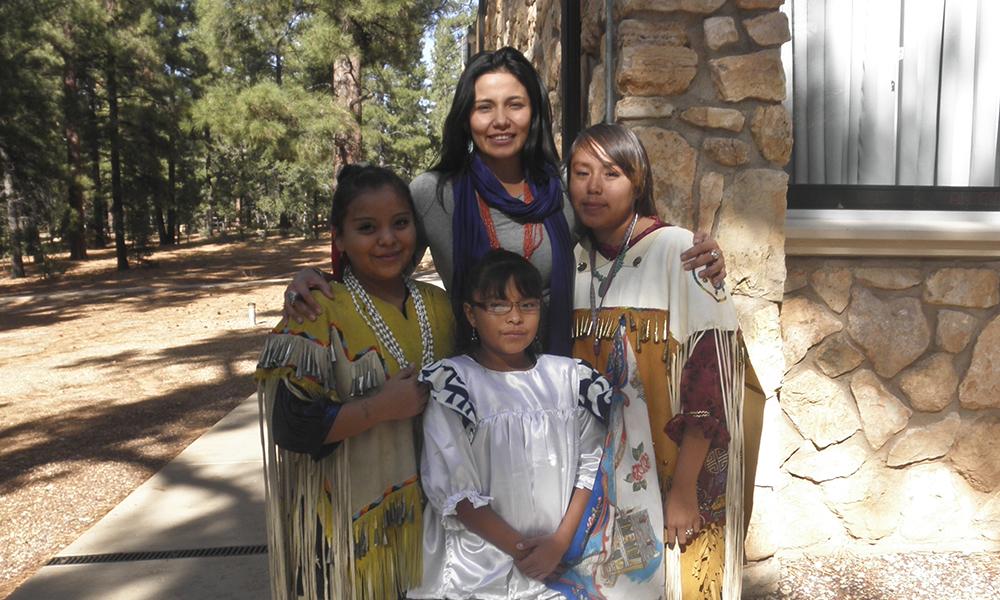
The Apache language, Ndee Biyáti’ or Nnee Biyáti’, remains a vital part of tribal identity, taught to younger generations to ensure its survival. Traditional ceremonies, such as the sacred Sunrise Dance (Na’ii’ees), a coming-of-age ceremony for young women, continue to be celebrated, reinforcing cultural values and community bonds.
Education is highly valued, with the tribe investing in schools and programs to empower its youth. Healthcare initiatives also aim to improve the well-being of tribal members, addressing both modern health challenges and traditional healing practices.
The tribe has made significant strides in economic development, balancing resource utilization with environmental stewardship. Forestry has historically been a cornerstone of the reservation’s economy, with responsible timber management practices providing jobs and revenue.
Tourism and recreation play an increasingly vital role. The tribe owns and operates Sunrise Park Resort, one of Arizona’s premier ski destinations, offering skiing, snowboarding, and summer activities like zip-lining and mountain biking. This resort is a major employer and draws visitors from across the region.
Another key economic driver is the Hon-Dah Resort Casino, which provides entertainment, hospitality, and employment opportunities. These ventures are critical for generating revenue that supports tribal services and infrastructure.
The reservation is also renowned for its exceptional outdoor recreation. The White Mountain Apache Game and Fish Department meticulously manages abundant wildlife, making it a prime destination for hunting and fishing. Permits are required and contribute directly to conservation efforts.
Visitors can enjoy world-class fishing in numerous lakes and streams stocked with trout, or participate in guided hunts for elk, deer, and other game. These activities not only generate income but also connect people with the natural beauty and ecological richness of the land.
For those planning a visit, understanding and respecting tribal customs and regulations is paramount. Always obtain necessary permits for hunting, fishing, camping, or hiking from the White Mountain Apache Game and Fish Department or tribal offices.
Cultural sites like the Kinishba Ruins, an ancient Mogollon pueblo, and the Fort Apache Historic Park offer glimpses into the past. Visitors are encouraged to explore these sites respectfully and learn about their historical significance.
When interacting with tribal members, a respectful and open attitude is appreciated. Remember that you are a guest on sovereign land, and adherence to local laws and customs is expected. Photography of individuals, ceremonies, or sacred sites should only be done with explicit permission.
Like many indigenous communities, the White Mountain Apache Tribe faces contemporary challenges, including economic diversification, healthcare access, and infrastructure development. However, the tribe is actively working to address these issues through strategic planning and partnerships.
The tribe’s vision for the future is rooted in self-determination, economic prosperity, and the continued preservation of their unique cultural heritage. Investments in sustainable industries, education, and health services are central to building a strong and thriving community for generations to come.
The White Mountain Apache Tribe Reservation stands as a powerful testament to the resilience and enduring spirit of the Apache people. It is a place where ancient traditions blend with modern aspirations, where the natural world is revered, and where a vibrant community continues to forge its own path.
Whether you’re drawn by the allure of its pristine wilderness, the richness of its history, or the warmth of its culture, a visit to the White Mountain Apache Tribe Reservation offers a unique and deeply enriching experience. It’s an opportunity to learn, to appreciate, and to respect a truly special corner of Arizona.
In conclusion, the White Mountain Apache Tribe Reservation is far more than just a geographical area; it is a living, breathing testament to the strength and adaptability of the Ndée. From the historical Fort Apache to the vibrant communities of Whiteriver and Cibecue, and the economic engines of Sunrise Park Resort and Hon-Dah Casino, the reservation showcases a profound commitment to cultural preservation and self-sufficiency.
Its stunning landscapes offer unparalleled opportunities for outdoor enthusiasts, while its rich history provides invaluable lessons in resilience and sovereignty. Understanding and respecting this unique tribal nation enriches not only our knowledge of Arizona but also our appreciation for the diverse tapestry of human culture and history.


